One thing I learned from my hernia surgery recovery journey is that, at least in the United States, surgeons are entirely unequipped to provide their patients with any meaningful recovery advice beyond the usual “don’t lift anything above ten pounds for six weeks”, or something similar. I went into my recovery process thinking I could take my surgeon’s advice and I’d be all set, but I was completely wrong.
The six week mark is simply the point at which the hernia mesh is set solidly enough to enable the patient to return to daily activities and in no way reflects any readiness to return to vigorous athletic activities such as Brazilian Jiu Jitsu. When my surgeon cleared me for a return to all activity, I asked him repeatedly if he meant Jiu Jitsu too and he confirmed that Jiu Jitsu was perfectly fine. I described in detail the types of movements involved and the level of intensity of the sport, and he still confirmed that I was cleared to train BJJ after six weeks. In an abundance of caution, I had begun adding some strength training and core strengthening by around week four, so I continued this through to week eight, which is when I returned to BJJ. I only drilled at first, and began some light flow rolls a few weeks later.
Everything was going fine until around week sixteen. I found myself in what was supposed to be a light flow roll but instead, my partner went far more aggressively than what we had agreed upon. As I was focusing on going light, I hadn’t braced my core well enough and midway through the roll, I felt stabbing pains in my abdomen. I immediately knew something wasn’t right. At that point, I decided to take some time off from BJJ to let things heal. Within a few days, it felt as though I had a rock buried in my pelvic area, and I was in a lot of discomfort. I even went back to my surgeon for an exam. A physical exam, a CT scan, and an ultrasound all confirmed that the repair was fine, but I could feel that something was wrong, yet my surgeon was telling me to return to Jiu Jitsu, which seemed like an incredibly foolish thing to do, so I waited.
After a few months during which things improved somewhat, I reached out to a teammate who is a physical therapist. Upon hearing my symptoms, he suggested that I might have strained my hip flexor, and he assigned me some stretches to do. Within a few days, I began to feel even better, and I’m now slowly easing back into training again about three months later. I’ve also worked with Dr Jeff Rosenberg for Active Release Therapy and Graston Technique, which has been tremendously helpful, and I’ve been working with Matthew Flaherty for personal training to rebuild my core strength, mobility, and flexibility. I hope that others can learn from my experience. I’m going to detail some protocols below that I would advise any Jiu Jitsu athlete who undergoes hernia surgery to follow to help prepare them for a return to the mats.
The First Few Weeks
Use this time to let the body rest and recover from the trauma of the surgery, but do try to walk as much as is comfortable. Don’t push yourself beyond what is comfortable, and don’t expose yourself to unnecessary pain, but do set a goal of being able to take short walks around the neighborhood by the end of week one or two. Use NSAID’s as needed, and use ice and heat as needed. Eat a diet filled with protein and high in fiber. Drink plenty of water and get a lot of rest. The protein will help feed the muscles and the fiber and water will assist with digestion and bowel movements, which will help to minimize the need to strain, thus reducing discomfort and minimizing the possibility of damaging the repair while going to the bathroom.
Weeks Three and Four
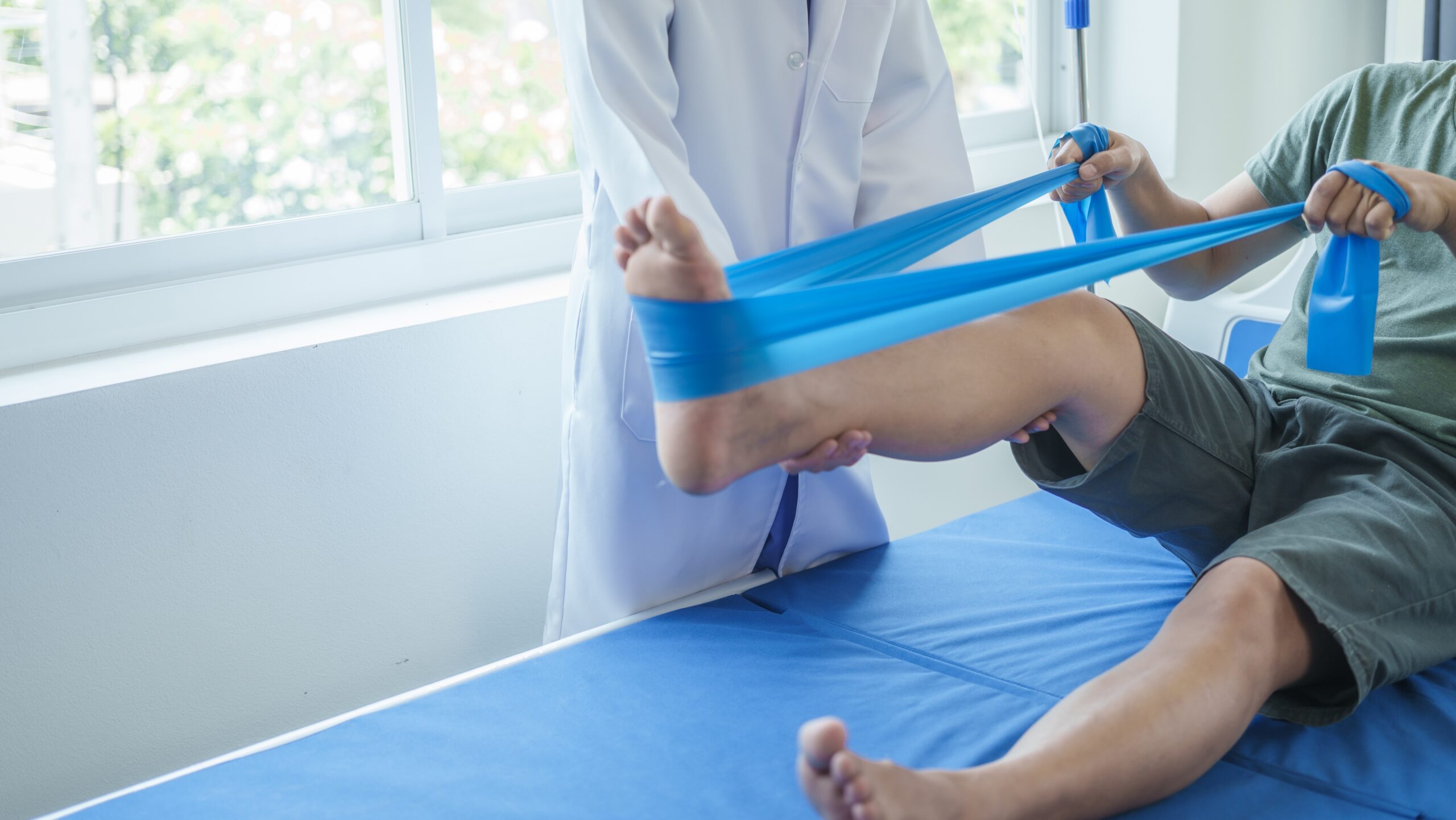
At this point, you can begin to take longer walks and if it feels comfortable, take some walks with a light backpack that’s weighted appropriately to turn your walk into a ruck. This will begin to very gently engage your core as well as your posterior chain. You can also begin to introduce some light recovery exercises at this point. I opted for light resistance bands and very light Indian Clubs. Others have done Tai Chi. Other options include very carefully chosen yoga poses, Flexible Steel, or walking in a swimming pool. During week four I walked the floor of a trade show while wearing my backpack and it was fantastic for the recovery process.
You might also consider beginning to work with a physical therapist or personal trainer at this time to help guide you through how to rebuild your core strength and mobility.
Week Six
Continue the aforementioned protocols, but begin to incorporate some solo BJJ drills such as shrimping, bridges, sit-outs, and anything else that’s not too core intensive or explosive, but which helps your body continue to refamiliarize itself with the movements you need. You could also begin to increase the weight you’re using for strength training, transitioning from resistance bands to kettlebells or dumbbells, but with a very light weight.
Over the next few weeks, start to increase your rep counts while listening to feedback from your body. You can begin to also incorporate some mild core exercises. Not situps or other movements which will cause you to bear down on your abs, but instead opt for exercises such as planks, loaded carries, and Pallof Presses. If you have a very light kettlebell, try doing the Dan John Six Point Loaded Carry. With this exercise, you’ll carry a kettlebell in the overhead position for a specified amount of time or until you fatigue, then move it to the rack position and do the same, then carry it by your side as you continue the carry. Then repeat on the other side. At this point in the recovery process, I’d advise not pushing this one too hard and instead opt for a very moderate length of time for the loaded carry.
Still continue your rucks from earlier, but add time, speed, and weight per your body’s feedback.
Week Eight
If you feel up to it, try returning to class, but modify the warmups as needed and only drill. No rolling, and not even light flow rolling with trusted partners. This stage is all about getting your body accustomed to the movements again. If your academy includes positional rolling after drilling the move of the day, don’t do it. Just stay on the sidelines. While everyone is rolling, use this time to work on mobility exercises and light stretching. Your body will need it following your return to training, and it will be incredibly helpful to use this time for stretching and mobility after your drilling.
No matter how tempting it is to begin rolling again, resist the urge. Let your body continue to adjust. Remember that in addition to muscle weaknesses, you may have scar tissue to deal with as well, and all of this will affect your recovery.
At this stage, you can begin to incorporate other movements like Animal Flow, Ground Force Method, and more advanced Yoga poses. You might even incorporate some very light Turkish Get Ups as well for mobility and core strength.
Week Ten (ish)
If your body is doing well at this point, seek out a few trusted training partners who you know well and trust and ask them if they’d be willing to do some light flow rolls with you. Continue to stay away from the positional rolling or “king of the hill” drills. Begin to include just one or two very light flow rolls following drilling, and use the rest of the time to stretch. Your body (and your surgical repair) will thank you.
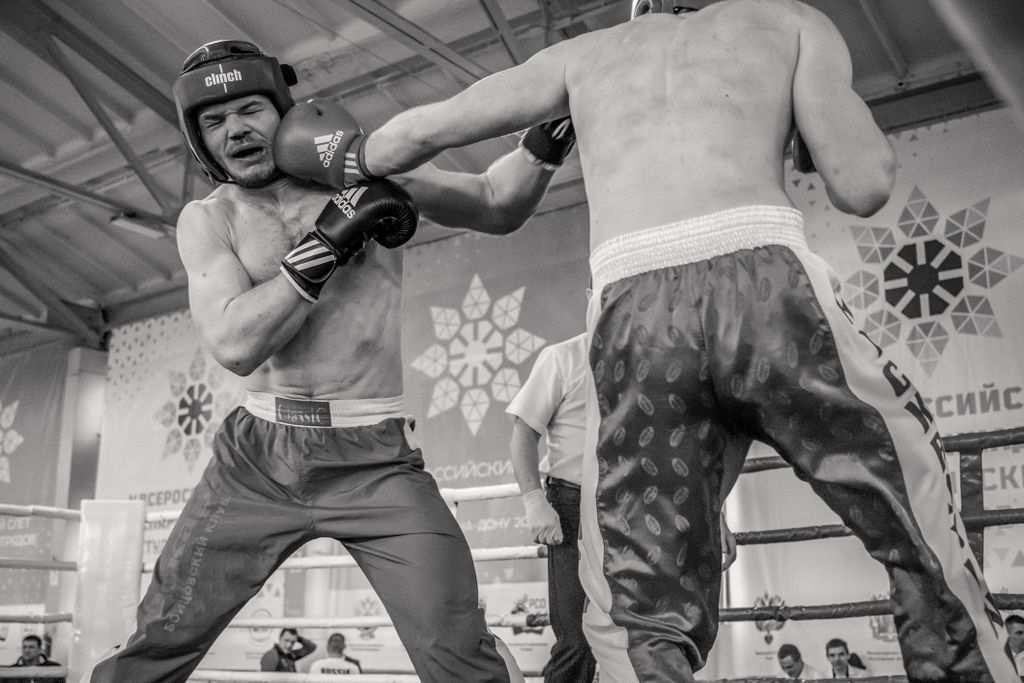
Now that I’ve been incorporating boxing training into my routine, I truly believe that boxing can be an excellent recovery tool for recovery from hernia surgery. It’s essential to modulate your training volume and intensity, but boxing is a great way to rebuild core strength, rotational strength, stimulate fluid drainage, and to rebuild the hip flexors as well. The nature of training in an old school traditional boxing gym is especially conducive to working at your own pace and doing do while being mindful of your recovery. I’ve found that at Eastern Queens Boxing Club, all of the coaches are incredibly supportive and understanding when I need to adapt my training for my recovery.
Continue down this path for a few more weeks at least and let your body guide you to let you know when you’re ready to jump back in full speed. Take things a few weeks at a time and very gradually start to ramp up your training, first by adding a few more rounds of flow rolls, then by slowly increasing the intensity of those rolls. If you feel ready to increase the intensity a bit, wait another week before doing so. If you still feel confident after waiting one more week, then increase very slightly. Continue to also increase the rep counts in your strength training and/or add some more weight as needed, but still be very conservative.
While doing all of this, don’t forget to continue to work on your flexibility, mobility, and core strength. Be sure to do a complete warmup prior to every class, and do a complete cool-down including stretching after every class. Also use ice and heat as needed. If you continue doing these things, you’ll be back to training at full intensity before you know it.
Closing Thoughts
It’s important to remember that the medical industry here in the United States is broken. While most surgeons provide excellent surgical skills to their patients and we have access to all sorts of groundbreaking medical advancements, the system is so compartmentalized that most medical professionals are unable to offer any guidance outside of their own specific specialty. I quickly learned this when I approached my surgeon about the discomfort I had months into my recovery. Instead of acknowledging that he didn’t know the cause of my discomfort followed by suggesting that I consult a physical therapist (or whichever would be the most appropriate professional for the task), he simply told me that the surgical repair was perfectly fine and that I should return to Jiu Jitsu.
While I wouldn’t expect a surgeon to offer medical advice on a hip flexor strain, I do expect that they could provide some guidance for where to turn to find a solution, even if this means returning to my primary care physician. This is why it’s critical for us to be our own best advocates for our own medical care. Personally, I find that I receive some of the best care from nurses, physicians assistants, and physical therapists. If I need surgery, of course I’ll seek out the best possible surgeon I can find. But for everyday care (such as healing a hip flexor strain), I’ll take a physical therapist over a medical doctor any day.
I should add that the most helpful medical professionals I worked with all are Brazilian Jiu Jitsu athletes. My physical therapist is my teammate who owns Functional Enhancing Physical Therapy in Astoria, NY, my chiropractor is a Renzo Gracie Purple Belt and runs Rosenberg Wellness Center in New York, NY, and my personal trainer is a veteran Judo, Jiu Jitsu, and Tae Kwon Do athlete who owns Stafford Strength, and he trains clients throughout the New York City area.
In closing, after undergoing surgery of any kind, exercise patience and have a plan for recovery. After going through 10 weeks fo physical therapy, I’ve recently taken up boxing as a way to rebuild my core, help my body adjust to athletic movement again, and to rebuild rotational strength. Take any guidance from your surgeon with a grain of salt, and err on the side of being overly conservative with your recovery time. Take the time to restore your strength and mobility, and do so with the help of professionals such as personal trainers and physical therapists who are familiar with the demands of our chosen sport, and you’ll be setting yourself up for a successful return to the mats. Oss!