Most recovery advice commonly found online can be vague or influencer driven, but lacking in substance or specificity. As martial artists, we have unique recovery demands that warrant special attention beyond what is recommended to the general public due to the strenuous nature of our sport. It’s also important to understand that active recovery isn’t about “doing more”. Instead, it’s about facilitating adaptation.
As a Brazilian Jiu Jitsu athlete in his mid 50’s, I know firsthand the importance of programming active recovery into one’s routine, and due to my experience with hernia surgeries, this topic is especially important. Just as important as programming recovery is the issue of training frequency and balancing that training with strength and conditioning. In this post, we’ll explore how and when to program active recovery, why we need it, and will outline some specific examples of active recovery for martial artists.
What Active Recovery Actually Means (and What It Doesn’t)
Active recovery for martial artists means low-stress movement that improves circulation without adding fatigue. This is different from rest, which serves an entirely different purpose. Doing nothing isn’t always optimal as we need to keep moving our bodies, even on “off” days.
Without movement (even on days when we’re not training), we run the risk of our hip flexors tightening, our spine compressing, and even our digestion slowing down. Active recovery should enable us to get our bodies moving comfortably and gently without adding physical stressors.
While this can be from “light training”, that’s not always ideal as light training can easily run the risk of evolving into a regular training session. It’s also ideal to choose a completely different activity from our normal sport of strength and conditioning routine to truly allow our bodies to recover.
Active Recovery Methods That Actually Work
Walking (Underrated, Highly Effective)
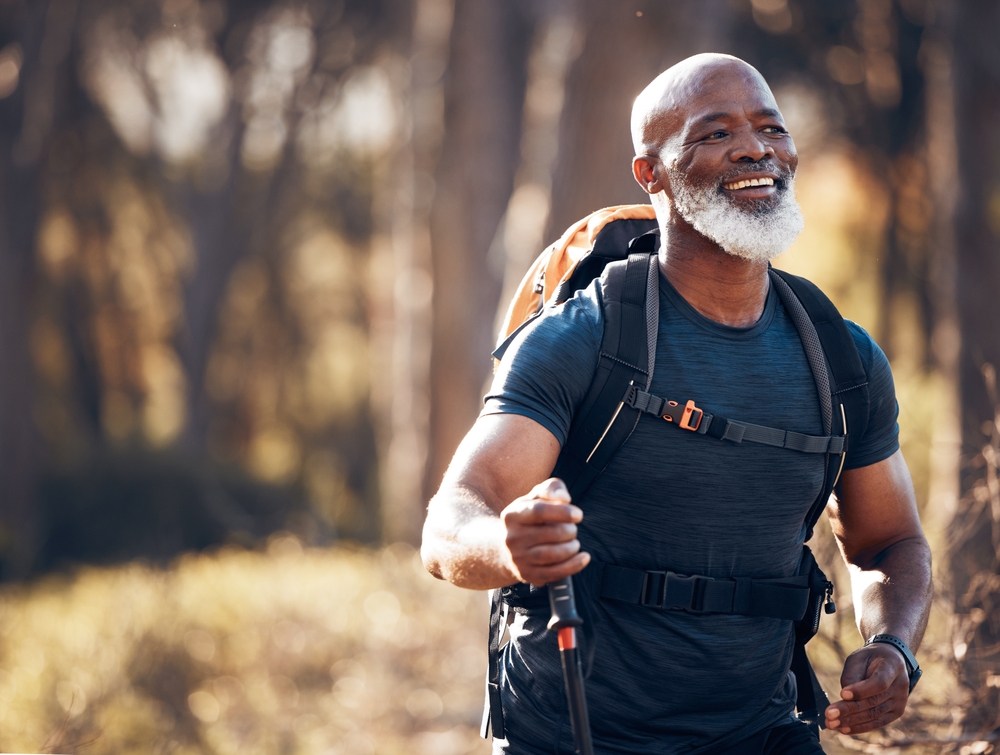
Walking is one of my favorite modalities to use for active recovery. It helps to improve circulation, places low demands on the central nervous system, it aids with lymphatic drainage, and is very gentle on the body.
Other benefits include the positive impact it has on mental health, especially when done in a natural setting. It’s also a great social activity, or simply a great time to put on some headphones to catch up on your favorite podcast or reconnect with music you love. It can be done even following a hard training day or if you’re fatigued without having to be worried about injury.
If I want to make my walk a bit more strenuous, I’ll either walk briskly or will wear my rucking backpack with a few weighted plates inside to turn my walk into a ruck. This burns more calories, adds a moderate cardio component, helps to strengthen the posterior chain, and gently works the core. It does all of these things with very little effort. While it’s slightly more strenuous than a walk, it offers a ton of bang for the buck, and it still stays firmly in recovery territory. I wouldn’t rely on rucking for my only posterior chain and core programming, but it’s a gentle addition that is easy to include.
I’ve been using daily walking to help with recovery from my boxing training and it’s been a game changer. It helps to relax the hip flexors, restores tissue glide, and helps with blood flow.
Light Mobility (Not Stretching to End Range)
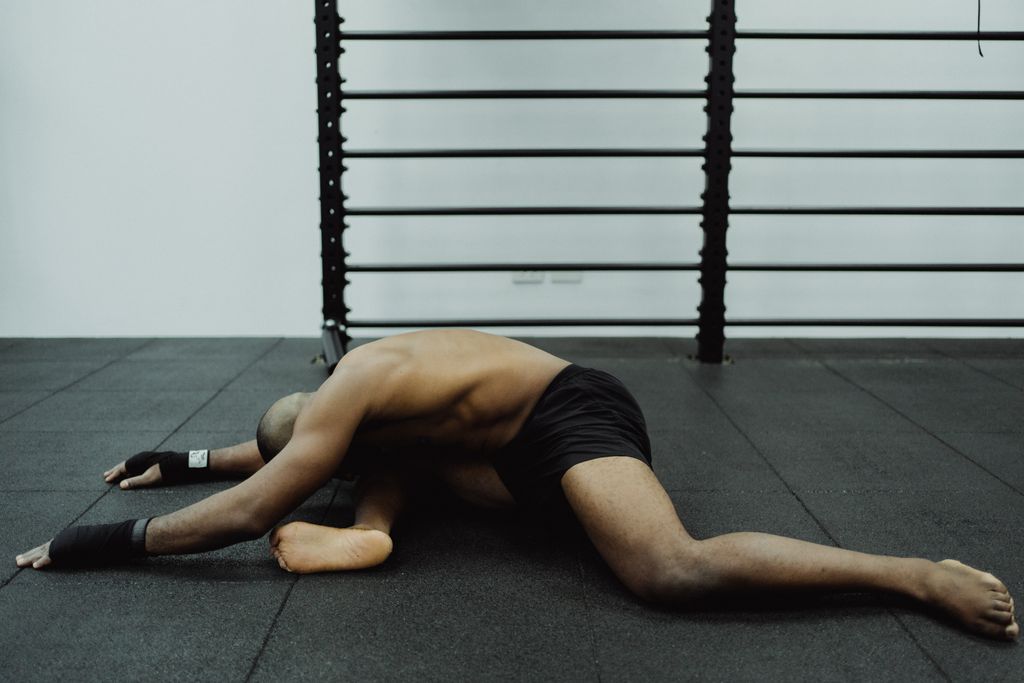
Light mobility involves controlled joint movement that focuses on the hips, thoracic spine, and the ankles. These areas are especially beneficial for Jiu Jitsu athletes due to how much they get stressed, particularly the hips and spine. It’s very common for people to feel tightness in the hips or to experience back pain the day after training, and this can happen from almost any martial art. Some hip circles, cat-cow, thread-the-needle, glute bridges, and Hindu Pushups can work wonders for this. It can be helpful to avoid aggressive stretching post-training, and instead focus on light mobility and gentle, easy stretches. In my experience, some gentle stretching and mobility first thing in the morning, after training, and immediately before going to bed can work wonders and even completely eliminate hip and back pain brought on by training.
Easy Aerobic Work (Zone 1–2)
Think of easy cycling, light rowing, or shadowboxing at a light conversational pace. If I want to add a small cardio component, I’ll do a light ruck by adding a rucksack and a weighted plate. Even just a 10-15 pound load can be extremely effective. Other great options include taking a long walk, playing a sport that’s not too strenuous (very light volleys in tennis, ping pong, etc), or even working on some projects around the home.
The key here is to control the intensity. This shouldn’t feel like a proper workout, but more like a leisurely activity that gets the body moving and the blood pumping. This type of aerobic activity is perfect for a day off from training, a light recovery day, and even as a reset to prevent jet lag after a long flight.
Breathing-Based Recovery
Parasympathetic activation, or breathing based recovery, is incredibly effective for reducing perceived soreness and can be especially beneficial following hard rolls. It helps to relax muscle guarding and to reduce tightness in the hip flexors and the back, both common sources of soreness for grapplers.
Rickson Gracie spoke a lot about the use of breathing, and those familiar with the Wim Hof Method of breathing will already be well aware of the benefits. As I continue through my hernia recovery, I’ve been finding that deep breath work is incredibly useful for relaxing the pelvic floor and deep core muscles as well as for releasing tightness held throughout the core.
This can be as simple as laying on the floor in a supine position with a neutral spine and taking deep breaths, or it can involve integrating it with yoga or Animal Flow movements.
What Does Not Count as Active Recovery (Common Mistakes)
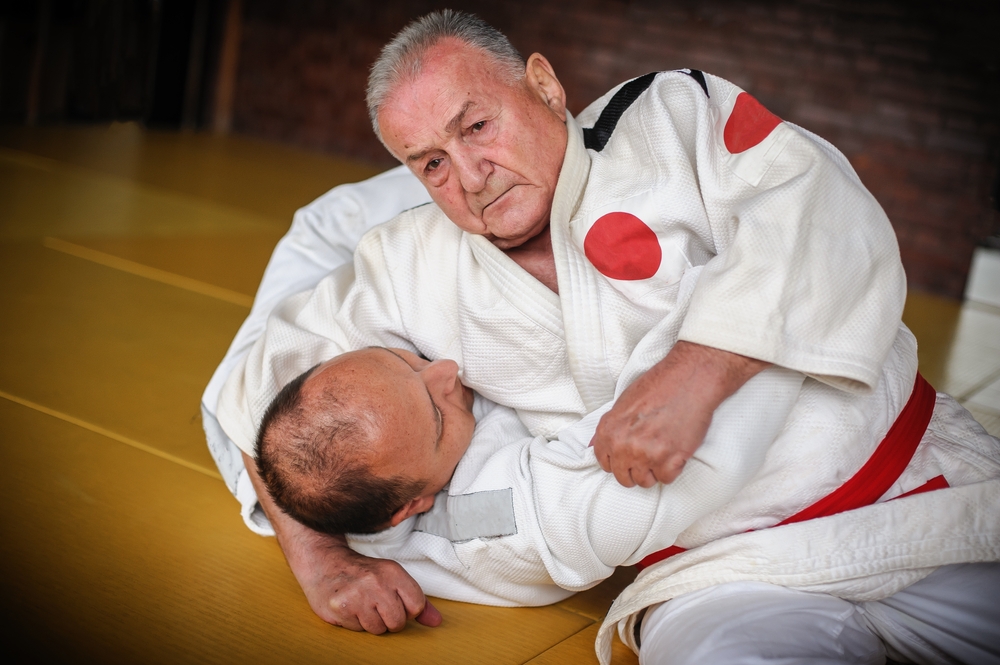
Many grapplers (and martial artists in general) will simply show up to their academy to train light, and will consider this to be active recovery. However, even “light” rolls don’t truly allow the body to recover, and we’re not always in control of how our partner will pace the roll. It’s more effective to simply focus on the actual recovery and to give the body a break from the movements you use in your sport.
Be careful to jump into challenging hot yoga sessions, HIIT workouts, or mobility marathons that leave you feeling sore afterward. The idea here is not to tax the body, but to use gentle movement to promote circulation and healing. It shouldn’t feel like a “workout”. Your activity should feel gentle and fun. The key is movement, and not chasing workout goals.
How Often Should Martial Artists Do Active Recovery?
This is a question that will vary greatly from one athlete to another. Of course, many martial artists in their 20’s will feel perfectly comfortable training 5-7 days per week, and I know several older athletes in their 50’s and 60’s who train that often, though quite a bit lighter than their younger teammates. While training 5-7 days per week can be feasible as an older athlete, for most people a recovery day is essential.
One of the best times to program a recovery day is the day following a hard sparring day. Our bodies often need a reset, especially after getting in some intense rolls with teammates who are several decades our junior. Depending upon your chosen martial art, you may need to allow your back to lengthen and relax again, give your core a rest, reset your hips and pelvic area, or do some mobility for your shoulders.
Another great time to schedule an active recovery day is the arrival date and the day after arriving in a new location when traveling, especially if that travel involved a long-haul flight. This allows the body time for rehydration and for restoring mobility.
It’s also extremely beneficial to add a recovery day between consecutive training days. Use that off time to let your muscles heal and your joints relax. While it may be tempting to get in that additional day of training, sometimes it’s more beneficial for our bodies to simply let them heal. This lets our bodies heal, return to the mats stronger, helps to prevent injuries, and leaves us feeling fresher and on top of our games.
We should also consider programming deload weeks. This doesn’t just apply to strength training. It should also apply to training of our chosen martial art. I find it’s very convenient to build this into vacations. While at one time I used to seek our places to train while on vacation, I now use vacations as deload times during which I focus on gentle strength and conditioning, long walks, and staying active through leisurely activities. This helps the deload weeks to feel natural and not forced, and removes any guilt from not training while traveling.
Active Recovery for Older Martial Artists
By programming active recovery, older martial artists enable quicker tissue recovery and allow the central nervous system to relax and reset. It’s not necessary to overthink one’s recovery protocols. What’s more important is consistency and volume. Just simply take a long walk or go on a bike ride. Anything that’s fun, intuitive, and gets you moving gently.
When older martial artists are diligent about programming regular active recovery days, it improves long-term training consistency, leading to feeling better while training, leading to fewer missed training sessions, leading to approaching training with a fresher mind and body. More training volume doesn’t necessarily equate to higher quality training. It’s important to recognize when it’s time to take a day off from training, and these days off can be far more effective when programming thoughtfully and in advance rather than being forced due to injury or soreness.
A Simple Weekly Active Recovery Template
As mentioned before, it’s important not to overthink this. A simple recovery protocol can be as simple as the following:
- Day after hard training: Take a 30-45 walk and do some light mobility
- Midweek: Do some breathing work and a light aerobic activity
- Weekend: Take a long walk, do light conditioning, or do some yoga
It’s that simple. The bottom line is to keep your body moving gently. This prevents tired muscles from seizing up, promotes mobility, enables lymphatic drainage, gently elevates the heart rate, and gets the blood pumping.
Conclusion
It’s important to remember that active recovery isn’t passive. Rather, it’s intentional. The goal should be adaptation, not exhaustion. When programmed and performed right, active recovery allows for more quality training rather than more training volume that is of substandard quality.
To view Polyfit Rucking Backpack on Amazon, click here.
To view Yes4All Rucking Weight on Amazon, click here.
To view The Wim Hof Method on Amazon, click here.
BudoBelly is a participant in the Amazon Services LLC Associates Program, an affiliate advertising program designed to provide a means for us to earn fees by linking to Amazon.com and affiliated sites.