If you’ve spent any time in boxing gyms or on the mats, you already know the truth: Conditioning matters…a lot. But as I’ve gotten older, and after dealing with injuries and recovery, I’ve started to rethink how I build that conditioning.
Running beats up my joints. High-intensity circuits take more out of me than they give back some days. And that’s where something surprisingly simple has started to stand out…
…rucking.
What is Rucking?
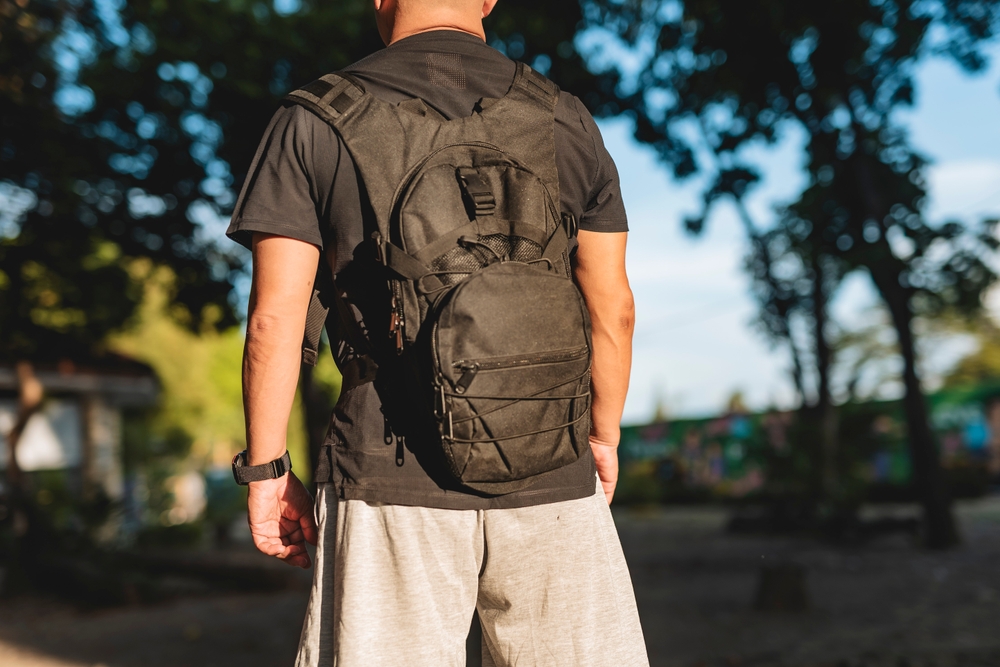
Rucking is about as straightforward as it gets. Just put some weight in a backpack and go for a walk. That’s it!
It comes out of military training, where soldiers carry loaded packs over long distances. But recently, it’s been catching on in the fitness world—and for good reason. It’s simple, scalable, and a lot more effective than it looks.
Why Traditional Conditioning Starts to Break Down
When you’re younger, you can get away with almost anything, whether it’s roadwork, sprints, or endless high-intensity circuits. But over time, the equation changes. Running can start to feel like a tradeoff between cardio and joint health. Hard conditioning days can linger longer than they should.
You’re not just asking “Will this make me better?”
You’re also asking “What is this going to cost me tomorrow?”
Why Rucking Works So Well For Fighters
Rucking fills a gap that a lot of traditional conditioning methods miss. It builds a real aerobic base.
A stronger aerobic system means better endurance, faster recovery between rounds, and more consistent output. And unlike high-intensity work, you can build this without digging a recovery hole.
It Improves Recovery Between Efforts
Whether you’re on the heavy bag or rolling, performance isn’t just about bursts. Instead, it’s about how quickly you recover.
Rucking trains your body to stay efficient under steady load, which carries over directly into getting your wind back between exchanges and staying composed instead of panicking under fatigue.
Rucking Builds Core and Postural Strength
Walking with weight forces your body to stabilize constantly. You’re subtly training your core, your hips, and your posture. That translates into better structure when you punch, move, or grapple.
Rucking Develops Mental Toughness (Without Burnout)
There’s something about steady, loaded movement that builds a different kind of toughness. It’s not flashy and it’s not intense, but it teaches you how to stay present and keep going, which is exactly what you need in later rounds.
How Rucking Transfers to Boxing and BJJ
Since adding rucking into my routine, I’ve noticed something interesting. I don’t just feel “in shape”. I also feel steady. On the heavy bag, I can keep a consistent pace longer, and I can recover faster between rounds.
In general training, my breathing feels more controlled and I don’t gas out as quickly.
It’s not dramatic. It’s subtle, but it’s very real.
My Experience Adding Rucking
I’ve been keeping it simple:
- 20–60 minute walks
- Light weight (around 10-15 pounds)
- A few times per week
Nothing extreme, and that’s kind of the point. It doesn’t interfere with my boxing training, it doesn’t leave me sore, but it just quietly builds capacity in the background.
How to Start Rucking (Simple Plan)
If you want to try it, keep it simple:
Start here:
- 2-3 times per week
- 20-30 minutes
- 10-20 pounds
Focus on good posture, steady breathing (nasal, if possible), and maintaining relaxed and consistent movement. From there, you can gradually increase time, weight, or find more difficult terrain.
Gear (Keep it Simple)
You don’t need anything fancy to start, and you can get started with an extremely simple setup. All you need is:
- A sturdy backpack
- Some weight (plates, books, etc)
- Comfortable shoes
That’s enough to get real benefits.
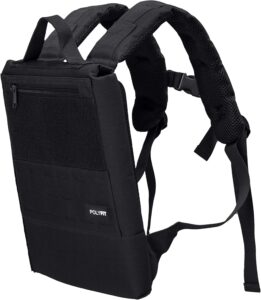
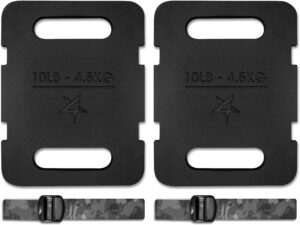
If you’re looking for more specialized rucking gear, consider using a dedicated rucking backpack such as the Polyfit Rucking Backpack 2.0 combined with weighted steel plates such as the Yes4All Attachable Rucking Weight. I use this combination myself and find it to be very comfortable, flexible, and easy to use. A dedicated rucking rig distributed the weight more evenly and appropriately, and will allow you to carry the rig with proper support and weight distribution.
Final Thoughts
As combat athletes, especially as we get older, the goal isn’t just to train harder. Instead, the goal for older combat sport athletes is to train smarter and longer.
Rucking isn’t going to replace your skill work and it’s not going to replace your hard conditioning days, but it might be one of the simplest ways to build endurance, improve recovery, and to stay in the game long term. And right now, that’s a trade I’m happy to make.
Want to Take it Further?
If you’re already training boxing or BJJ and looking for sustainable ways to improve conditioning, rucking is worth experimenting with. Start light, stay consistent, and see how it carries over.
You might be surprised how much it gives you back.
To view Polyfit Rucking Backpack 2.0 on Amazon, click here.
To view Yes4All Attachable Rucking Weight on Amazon, click here.
BudoBelly is a participant in the Amazon Services LLC Associates Program, an affiliate advertising program designed to provide a means for us to earn fees by linking to Amazon.com and affiliated sites.