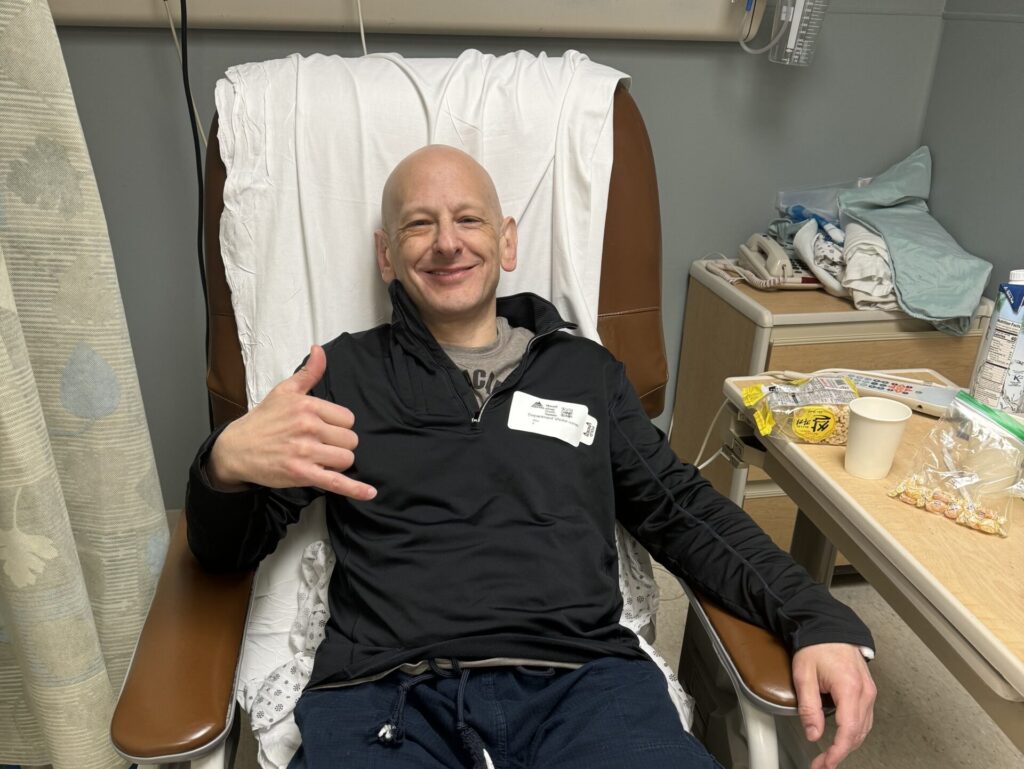

I’ve had my own personal extensive experience with hernia surgeries in my lifetime. I was first diagnosed with an inguinal hernia on the right side, which was discovered when I drove myself to the emergency room in the middle of the night while I was in graduate school. I didn’t even know what a hernia was until the on-call doctor saw it. He was able to push it back in, but told me that if he hadn’t been able to do so, he was almost about to admit me for emergency hernia surgery. I had it repaired with mesh via an open procedure a few months later, though I had to wear a truss in the interim. A few years later, I acquired a hernia on the other side, which was also repaired.
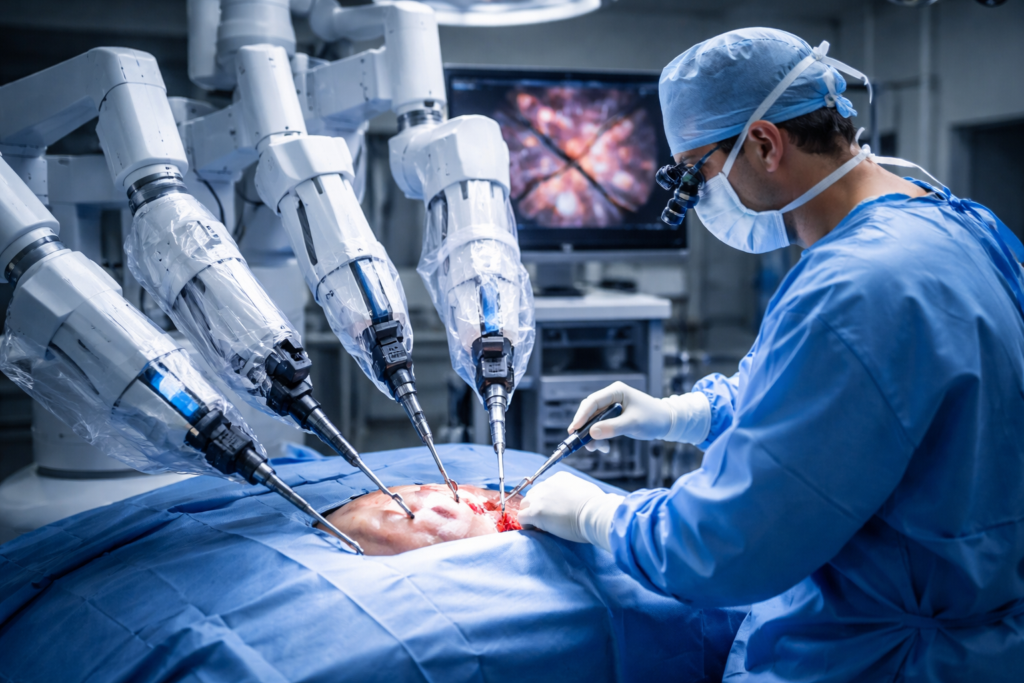
Those repairs held up for over 30 years until I began noticing some subtle bulging on the right side. I was told repeatedly it was just scar tissue, but shortly after competing in the World Master IBJJF Championship, I could see that I was dealing with more than just scar tissue. A quick physical examination at urgent care confirmed a recurrence on the right and a possible recurrence on the left. I underwent robotic surgery for both sides as well as an umbilical hernia in December 2023 and after being advised that I could return to BJJ after 6 weeks, I acquired a recurrence on the left and experienced mesh contraction on the right in the spring of 2025 even though I took time to recondition my body and did a gradual return to sport after 8 weeks. I had another robotic surgery during which an extremely experienced hernia specialist (whose physician’s assistant also happens to train Jiu Jitsu) performed a layered mesh repair on both sides with a lightweight self-adhesive mesh. While I’ve not yet returned to sport yet, I’ve been reconditioning my body in preparation for a return later this year.
In this post, I’ll detail how to prepare for your hernia surgery, how to choose your surgeon and what to ask them, what you need to know about hernia mesh, and how to prepare for your rehab and recovery along with an eventual return to sport.
Get the Right Surgeon (Very Important)
In short, experience matters. My 2023 surgery was with a general surgeon. While I’m sure he’s a talented surgeon, in retrospect, he didn’t choose the best mesh for my lifestyle, and he advised a return to sport that was far too aggressive. My surgery in 2025 was performed by a high volume hernia specialist who is extremely experienced. As mentioned before, his PA trains BJJ, so I knew that the team was fully aware of the demands I place on my body.
While my 2023 surgeon used Bard 3D mesh (more on that later), my surgeon in 2025 used Parietex ProGrip mesh in a layered mesh approach. The nature of the mesh and the layered surgical technique made for an extremely robust repair that is tailored to the demands of BJJ. As I sat in the office with my surgeon and his assistant, their 20 years of collaboration became immediately clear. I was reassured as I observed how they were strategizing how they would approach my repair, discussing the type of mesh, the surgical plane they would use, whether to incorporate a mesh revision, etc. It was obvious that I would be in expert hands with this team. I resolved to schedule surgery with them right away.
What to Ask to Find the Best Hernia Surgeon
When you meet with your surgeon, there are few essential questions you should ask your surgeon to ensure you choose the best person for your needs. Be sure to ask what percentage of their practice involves hernia surgeries. This is key. A highly experienced hernia surgeon will be able to place the mesh extremely accurately, which can help prevent recurrences and can help avoid aggravating nerves.
Ask your surgeon what type of mesh they plan to use. My 2023 surgery used Bard 3D Mesh, which is an older model of mesh that is heavier, less flexible, is contoured, and relies solely on tissue ingrowth to do its job. This is less than ideal for a combat sport athlete, and even less ideal considering that my surgeon cleared me to return to Jiu Jitsu at 6 weeks post-op, which is a timeline that doesn’t allow for sufficient tissue ingrowth. That surgeon later told me that he wasn’t aware of the physical demands of BJJ, so he was clearly providing me with the exact same guidance that he offers everyone else.
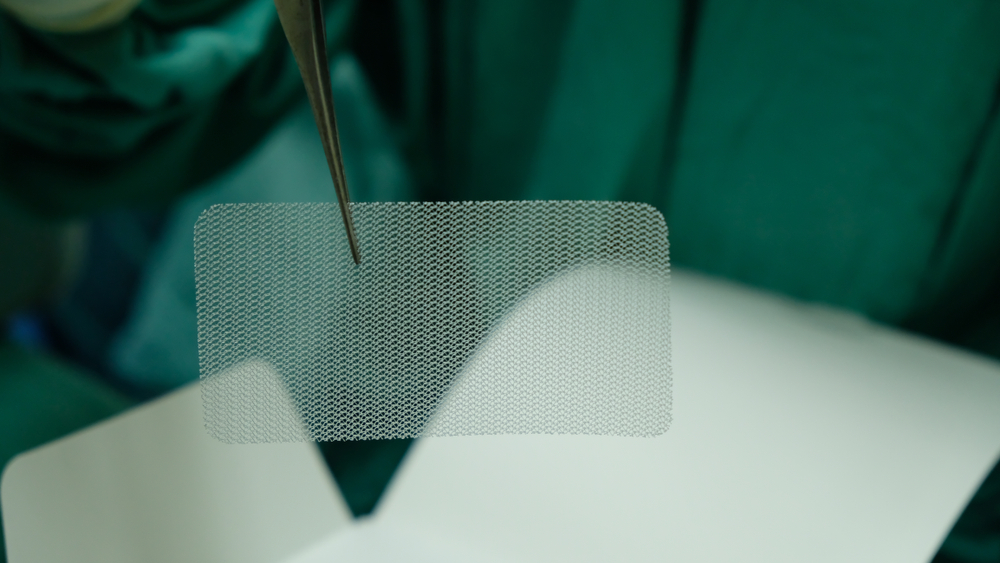
My 2025 surgeon, a hernia specialist, used Parietex ProGrip mesh in a layered mesh repair. He did a partial mesh revision on the left side, removing only the piece that had come loose, and added the ProGrip mesh on several different tissue planes for added reinforcement. He left the mesh in place on the right side and added another layer of mesh to cover the inguinal, femoral, and iliac regions for reinforcement. The ProGrip mesh is lightweight and flexible (ideal for athletes), and adheres immediately via thousands of tiny hooks. This adds immediate stability and encourages earlier and more aggressive tissue ingrowth, which helps the repair to heal more quickly and stronger.
While a layered repair may not be appropriate for most patients, it’s worth asking your surgeon about this possibility given the physical demands of combat sports. Unless your case is for a recurrence, it’s highly unlikely that your surgeon will suggest a layered repair, but this question will open up the conversation about the approach they plan to use. Regardless of whether your surgeon uses a layered approach, I highly recommend finding someone who can perform the repair robotically using the DaVinci machine. This will help for more accurate mesh placement, minimizing trauma to the body, and will allow for an easier recovery.
You should also ask your surgeon about their experience working with athletes. Most surgeons know very little about recovery, and are ill-equipped to consider the physical demands of strenuous athletic activity and how it affects surgical outcomes. Someone who is accustomed to working with athletes will be more tuned into this and can tailor their approach accordingly.
Improving Your Body Before Surgery (Prehab)
You can set yourself up for success by addressing some issues prior to your surgery. I highly recommend performing some specific exercises before hernia surgery as a way to prehab your body.
Core Stability
Spend some time doing core work. By this I don’t mean massive reps of situps and crunches. Instead, I mean working on proper breathing, learning how to brace your core properly, and doing some light anti-rotation work. This will help you to have these skills in place for when you begin your rehab post-op. It will also improve the tissue quality and strength pre-surgery, which will provide your surgeon with a better operating field. Also, it will be better for your body and your recovery if you’ve already learned these exercises and have the skills in your muscle memory before you attempt them post-op. Incorporate movements such as planks, Pallof presses, Pallof twists, loaded carries, Bird Dogs, and Dead Bugs.
Hip Mobility
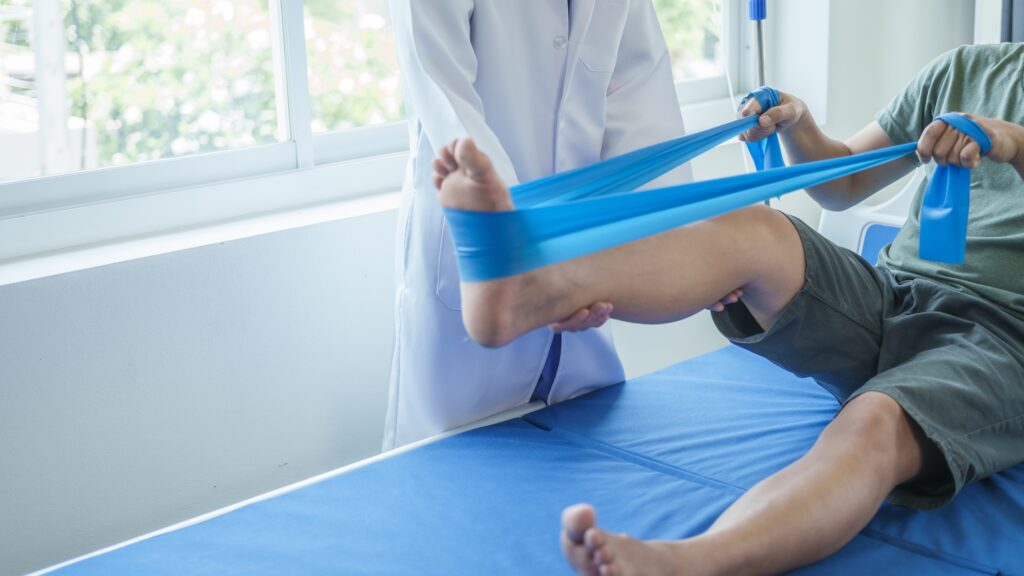
Hip mobility and hip flexors have a tendency to get very weak after any type of abdominal surgery. Tight hip flexor symptoms can create many “false alarms” post-op due to how much they overlap with the surgical area, so sore hip flexors can easily trick your mind into thinking that something is wrong. Learn how to do banded clamshells, banded leg raises, glute bridges, and cat-cow stretches to prepare you for when you resume light exercise post-op.
Posture & Movement
Learn how to lift and brace without doing a Valsalva (holding the breath and bracing at the same time, which creates high intraabdominal pressure). The Valsalva maneuver stresses the core unnecessarily, and prior to surgery is a great time to learn to function without it. Learn proper bracing and incorporate it into all your movements, developing good habits before your surgery.
Nutrition Before Surgery
One of the best things you can do regarding proper nutrition before hernia surgery is to increase your protein intake. Aim for between 1.6 and 2 grams of protein per kilo of bodyweight. This will provide your muscles and tissue with the proper nutrients to heal properly post-op.
In addition to protein, be sure to consume a diet with balanced macros, especially with plenty of fiber. Get your body accustomed to a whole food diet with plenty of leafy greens. Aside from the nutrients you’ll need for healing, the added fiber will help your gastrointestinal system post-op, making bowel movements easier and more effortless. Constipation is a real issue post-op, and few things are more terrifying than feeling the need to “push” when you’re only a day or two past your hernia surgery.

Some people recommend taking Collagen Peptides with Vitamin C, but based on what I’ve read, this is more appropriate to begin several weeks post-op when you can begin moving more. While the additional quality collagen is moderately beneficial, if you’re not moving your body enough, too much collagen can lay itself down in a very unorganized manner, which can be rather uncomfortable until you begin moving more.
A genius hack that I read online is to begin taking a laxative such as MiraLax one or two days before your surgery. This way, it will truly kick in right around the time you get home from your surgery. The anesthesia and the fasting the day before can make your bowels move very slowly, so starting the MiraLax prior to surgery can make those first few bowel movements much easier and less stressful.
Get Your Weight Dialed In
In short, BMI matters. Some surgeons won’t even operate on patients with a BMI higher than a certain amount. This is because additional weight places stress on the repair, and lower BMI numbers correspond to higher success rates. This usually goes hand in hand with healthier tissue quality and a clearer surgical plane, helping to minimize the rare possibility of complications.
If you need to lose weight before hernia surgery, it’s well worthwhile postponing your surgery until you can get to a healthy weight in order to set yourself up for success. In addition to the higher success rates with low BMI patients, being at a healthy weight will also make for a faster and easier healing process.
Set Up Your Recovery Environment
When you wake up in the recovery room at the hospital and once you arrive home, there are some items you’ll want to have prepared in advance to make your life much easier.
I advise wearing comfortable, soft, loose clothing to the hospital as it will make your post-op experience much more comfortable. It will also allow you the option of just laying down in bed or on the sofa immediately upon returning home without having to change clothes first.

Have a recovery area set up at home with your most commonly needed items easily within reach without having to stretch or twist. This includes any pillows you’ll need, painkillers (usually NSAIDs), any supplements or medication you take, a water bottle, your mobile phone, a good book, or anything else you expect to use in the first few days. I also purchased a grabber tool, which I used whenever I needed to pick something off the floor or grab from a shelf.
Have some ice packs ready as you’ll likely need these to help with post surgical inflammation. Also prepare some light snacks and do some meal prep to save you the burden later.
If you plan to work from home in the early post-op days, prepare your workspace in an ergonomic way that allows you to work in several different positions so you have the freedom to adjust your body per your comfort.
What to Bring to the Hospital for Surgery
The hospital will advise you regarding things like clothing, identification, and insurance records, but there are a few other things you can bring to make your experience easier. I brought my own snacks as American hospitals have notoriously unhealthy food. I brought some almonds, dates, some fruit, string cheese, and bottled water.
Another thing you might consider bringing is a book. As someone who is faith based, I brought a book of Psalms to recite, which brought me immense comfort prior to my surgery.
My Personal Advice (based on my own mistakes)
The biggest mistake I made was using a general surgeon for my 2023 surgery. He used a mesh that was a mismatch for my lifestyle, and he provided poor postoperative guidance. If I had to do it all over again, I would have waited longer before undergoing surgery and took the time to find the best possible match in a hernia specialist. I had no idea how important using a hernia specialist was until I acquired my recurrence. Unfortunately, my insurance in 2023 had a terribly disorganized database and I was lucky to find any surgeon available. I even had a consultation with a hernia specialist, but then couldn’t get any clarity as to whether his hospital of choice would be in the network, no matter how many people I spoke with from the insurance company. If I had to do this all over again, I would have waited for the end of the year, selected a different insurance company, and started the process all over again.
I strongly recommend adjusting your recovery timeline expectations, especially if you plan on a return to combat sports. Many surgeons will tell you that you can return to combat sports after 6 weeks post-op. While this may be the case for most less strenuous sports, our discipline involves much more intense demands of our bodies than bicycling, running, or tennis. When a surgeon tells you that you’re cleared at 6 weeks post-op, take that to mean that you’re cleared for resuming strength training and regular everyday activities, but that a return to combat sports is further down the road after you take the time to recondition your body. For that clearance, follow the advice and guidance of your physical therapist and not your surgeon.
Final Thoughts
For the overwhelming majority of athletes, a return to full activity is very achievable with some patience and careful planning. Once you’ve chosen an experienced surgeon you trust, put just as much effort into your recovery as you do into your athletic training. If you take your time and recondition your body thoughtfully, slowly, and methodically, the long-term outlook is excellent for athletes due to our emphasis on low BMI, good nutrition, and our higher level of overall conditioning prior to surgery, which makes for a cleaner surgical plane, healthier tissue, and the ability to lay down strong and healthy collagen.
To view Sports Research Collagen Peptides on Amazon, click here.
To view Nature’s Bounty Vitamin C on Amazon, click here.
To view MiraLax Laxative Powder on Amazon, click here.
To view Grabber Reacher Tool on Amazon, click here.
BudoBelly is a participant in the Amazon Services LLC Associates Program, an affiliate advertising program designed to provide a means for us to earn fees by linking to Amazon.com and affiliated sites.