As I discovered while preparing for hernia surgery is that there’s very little guidance on how to select a surgeon and even less information available regarding what athletes (and more specifically, combat sport athletes) should ask their surgeon before hernia surgery. Prior to my 2023 hernia surgery, I was under the impression that hernia surgery could be performed by a general surgeon. While this is completely true, high performance athletes, and especially BJJ and other combat sport athletes have different needs than the general population and require a more specialized and thoughtful approach. That’s why after my recurrence, I specifically sought out a high volume hernia specialist for the hernia surgery I underwent in 2025. The difference was striking. In this post, I’ll share some information regarding what to ask your surgeon prior to hernia surgery as well as how to select a surgeon who is the best fit for your needs.
Surgery Approach & Technique
The first thing you should ask your surgeon before hernia surgery is which technique they plan to use. There are two very commonly used methods these days – open and robotic. Open surgery is a more traditional method that’s been in use for decades. For inguinal hernias, it involved accessing the inguinal canal directly from above with an incision at the groin area and proceeding with the dissection directly at the surgical site. The hernia sac is pushed back into place and a mesh is placed on either the anterior plane (Lichstenstein technique) or the preperitoneal plane (Nyphus repair). This approach yields solid results and has been the standard for many years, but there are two downsides to it. One is that the initial recovery period is much more painful and uncomfortable, though that part of the recovery usually doesn’t last for more than a week or so. The other downside is that it doesn’t allow for mesh placement that is as accurate as what can be achieved with a robotic repair.
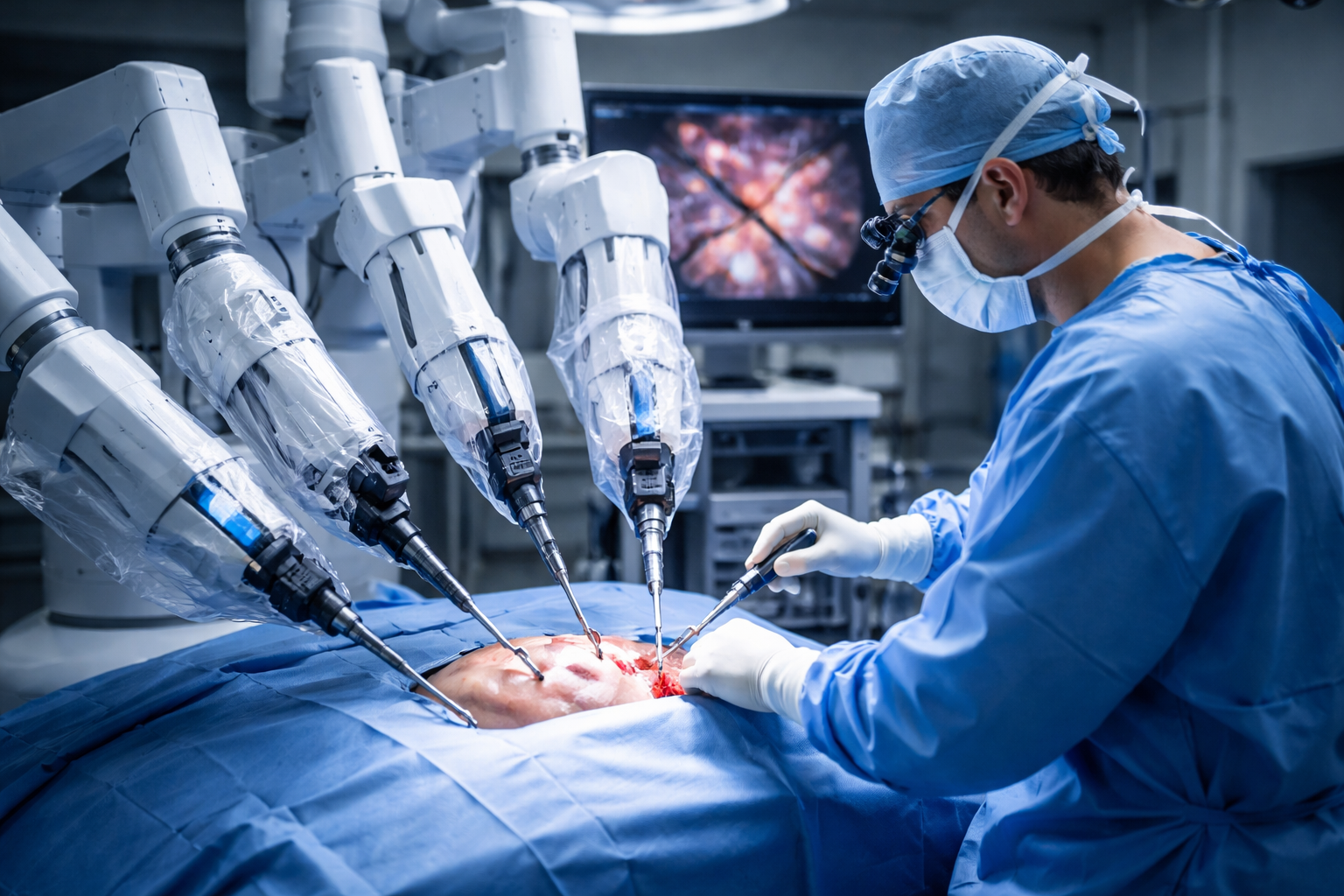
The other commonly used technique is robotic surgery using the DaVinci Machine. This technique is the gold standard. It involves making several small incisions in the upper abdomen, inserting trocars into those incisions, inflating the abdomen with gas, and running a small camera and the surgical instruments internally down to the operating field. The surgeon views the procedure on a video monitor while controlling the tools mechanically. This technique allows for greater visibility, allows for more accurate dissection and mesh placement, and allows the surgeon to place the mesh on their choice of several different planes (usually the preperitoneal plane). Another advantage of the robotic technique is that by placing the mesh behind the tissue, it’s actually slightly reinforced with intra-abdominal pressure, which can make for a stronger repair, whereas the anterior plane could potentially become a liability in the case of patients who perform many core-heavy activities.
Ultimately, the choice will come down to which technique is a better fit for your situation, the surgeon’s skill and comfort with each technique, and the availability of the DaVinci Machine at your local facility. As the robotic technology is still relatively newer, it may not be as readily available in some locations, though nearly all major city hospitals offer it as an option. The open technique historically has had slightly higher recurrence rates than with robotic, but one’s risk of recurrence is linked to a wide variety of factors, so this is only one of several factors to consider.
Mesh & Fixation
Prior to hernia surgery, I would recommend asking your surgeon which type of mesh and fixation technique they plan to use. For most patients, this isn’t much of an issue. But for BJJ and other combat sport athletes, it’s a huge concern. My 2023 surgeon used Bard 3D Max mesh, which I later learned was the subject of a multi-district litigation lawsuit due to the tendency of this mesh to contract (though all hernia meshes do contract slightly). The Bard 3D mesh is a heavier and less flexible mesh, and is usually held in place initially only by a few sutures and the patient’s own intra-abdominal pressure. In the initial healing stages, it can be particularly vulnerable to migration and contraction until enough tissue ingrowth has taken place, which can take several months before it’s particularly strong.
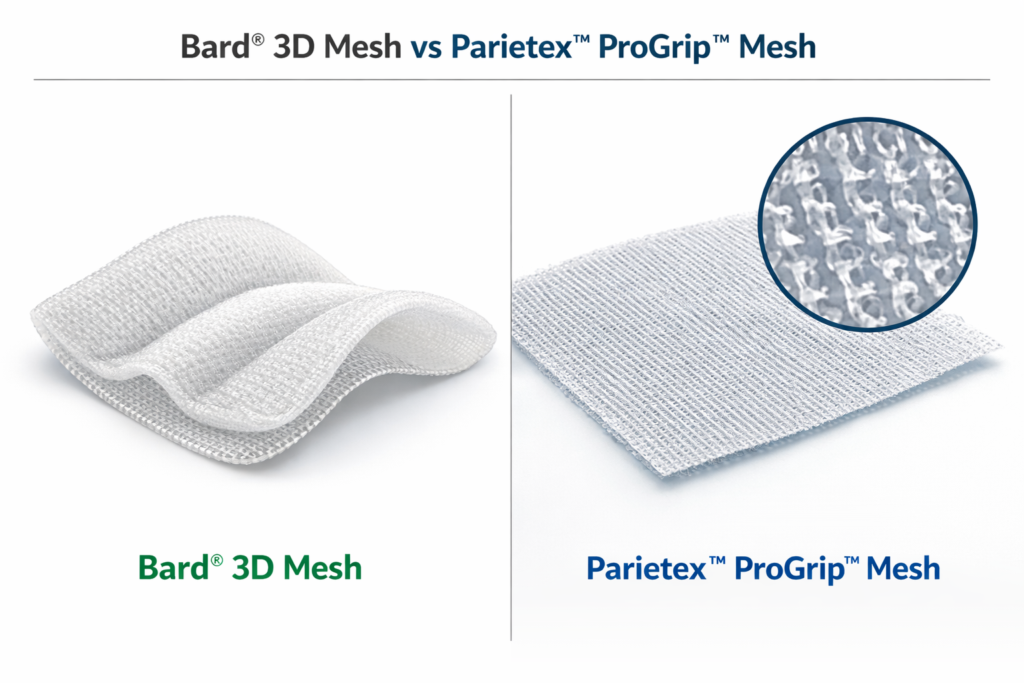
My surgeon in 2025 (a high volume hernia specialist) used Parietex ProGrip Mesh, which is a self-fixating mesh featuring thousands of tiny micro-grips that instantly adhere the mesh to tissue without sutures, tacks, or glue. This simplifies placement, reduces surgery time, and improves patient comfort by avoiding painful fixation points. It also makes the mesh less vulnerable to disruption by helping it adhere securely immediately, which helps to promote more substantive initial tissue ingrowth. This mesh is lighter weight and more flexible than the Bard 3D mesh, making it more ideal for active and athletic patients, and particularly suitable for Brazilian Jiu Jitsu and other combat sport athletes. My surgeon in 2025 was Dr Douglas Keith Held, who is the head of the hernia department at Long Island Jewish Hospital in Valley Stream, NY. A helpful feature of Dr Held’s practice is his longtime collaboration with his surgical assistant, Andrew DeOliveira, who has worked with him for over 20 years. During my consultation, I was immediately put at ease as I observed Dr Held and Andrew formulating a strategy regarding how to approach my repair. They worked together synergistically in a way that instilled a great amount of confidence. As an added bonus, I discovered that Andrew also trains Brazilian Jiu Jitsu, so I could proceed being confident that my surgical team was fully aware of the physical demands I regularly place on my body.
I would advise asking your potential surgeon which fixation technique they plan to use. A self-fixating mesh can be very helpful due to the early ingrowth of tissue, which can allow for a far stronger repair that is better suited for combat sports. Other techniques can involved using several sutures or even just a single suture to prevent migration, though that can still leave the mesh vulnerable to folding or micro-tears if stressed prematurely.
Return-to-Training Expectations
Prior to surgery, it’s important to ask your surgeon what their postoperative return-to-activity guidance will be. You should be very clear with them about the demands of your chosen sport. If they’re not familiar with Brazilian Jiu Jitsu or whichever combat sport your train, I strongly recommend describing it to them in detail and even having videos prepared to show them so that they can fully understand what you plan to do physically.
Most surgeons will simply tell you not to lift more than about 10 pounds for several weeks after surgery, will clear you for sexual activity between 2 and 4 weeks, and will clear you for full activity at 6 weeks. While this may be perfectly fine to the general population, 6 weeks is insufficient for combat sport athletes by a wide margin. If your surgeon insists on clearing you after 6 weeks, you should know that they don’t understand how you plan to use your body and that you should either use a different surgeon or find a reputable physical therapist whom you trust to guide you in your recovery.
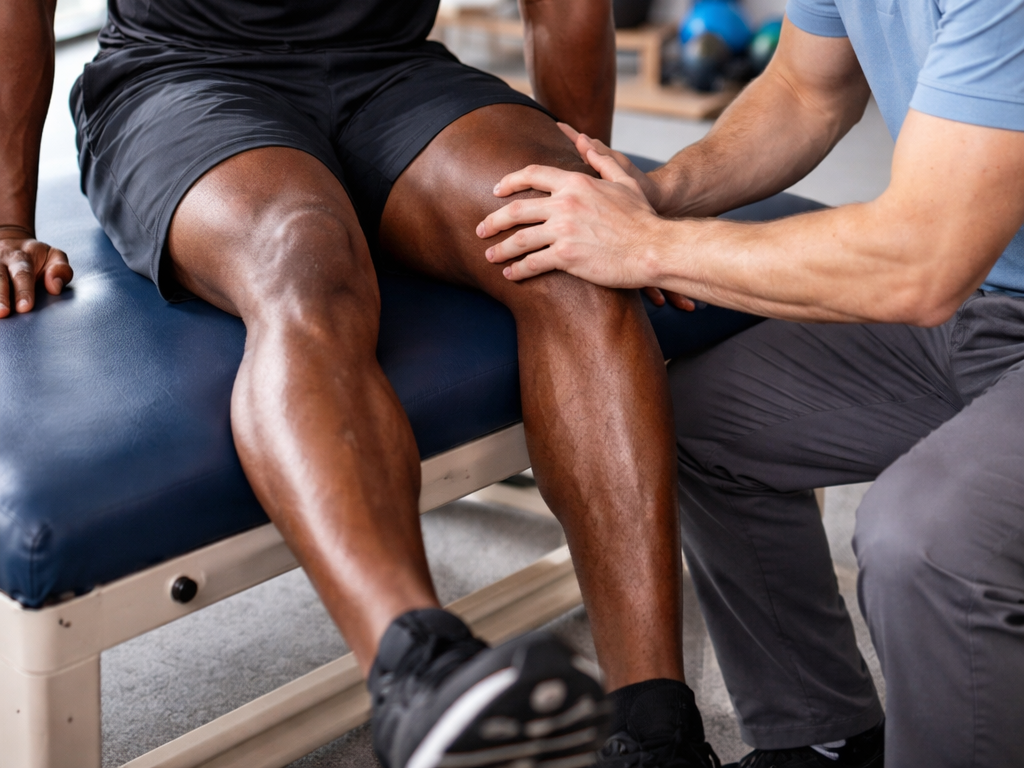
A more realistic timeline for high intensity athletes is as follows:
- Walking: Begin the same day as surgery or the day after. Start with small 3-5 minute walks around the house, gradually progressing in length as time goes on until you’re taking extended walks around the neighborhood.
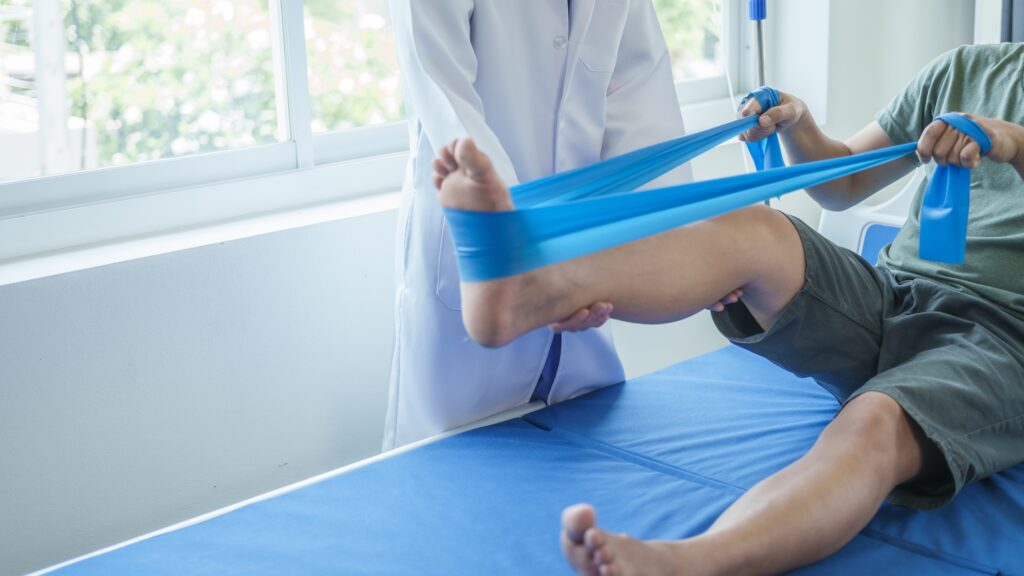
- Strength Training: It’s recommended to begin some light mobility work (clamshells, cat-cow, standing hip circles) around 3-4 weeks post-op, and somewhere around 5-6 weeks post-op you can begin some light resistance band training. Other options could include a gentle Tai Chi program or even Indian Clubs. This is more just to get the body moving and to promote lymphatic drainage.
- Jumping: I waited about 5-6 months before I began doing any jumping, though I was being very conservative. You should ask your surgeon about this, and later your physical therapist. Jumping, and more specifically, jumping rope, can be a great barometer to gauge your readiness to return to sport. Initially, it’s a great way to relax the muscles around the hip flexors, promote gentle core contractions, get in some cardio, and to promote lymphatic drainage. It’s also a great way to prepare your body for a return to BJJ.
- Return to BJJ: Many patients can safely begin drilling (after having done rehab) by around 3-4 months post-op. While some begin sooner, even as early as 6 weeks post-op, this risks damaging the repair if the mesh hasn’t had ample opportunity to fully integrate. While full integration can take as long as 9-12 months, 3-4 months is often sufficient. If your surgeon insists that you can return to BJJ after just 6 weeks, you should know that they don’t understand how you plan to use your body when you return to sport.
Surgeon Experience with Athletes
When preparing to undergo hernia surgery, it’s important to ask your surgeon about their experience with athletes. Ask them directly how many athletes they’ve treated and which sports. Ask them what techniques they used on those athletes, whether those athletes successfully returned to sport, and if they experienced any complications. Dr. Held and Andrew told me directly about a competitive powerlifter they treated who successfully returned to sport as well as citing several other examples.
You need to know that your surgeon understands how athletes use their bodies, and the physical demands we ask of ourselves as this will impact the most appropriate technique, mesh, and recovery timeline for your specific situation.
Surgeon Experience With Hernia Patients
This one is huge. Prior to my 2023 surgery, I was under the impression that any general surgeon would be perfectly fine for a hernia surgery. While that is often the case, I quickly learned the hard way that this is not the case for athletes. A skilled and experienced hernia specialist will be familiar with the latest techniques and mesh options, will have the skill to place the mesh as accurately as possible, will be able to offer post-operative guidance that is reasonable and helpful, and will better understand how your physical demands will impact the integrity of your hernia repair, and vice versa.
Red Flags
If your surgeon offers vague or evasive answers, provides unrealistic clearance timelines, or dismisses sport-specific concerns, then either find another surgeon or proceed with extreme caution. I actually passed on one particular surgeon for these very reasons. This surgeon would not provide clear and direct answers to some very basic questions that I had, so I decided that if I couldn’t trust this surgeon to answer a few simple questions, then I surely couldn’t trust him to cut my body open. And if your surgeon dismisses your concerns about returning to BJJ or any other combat sport, then they either don’t understand how you use your body, or they simply don’t care about understanding. This should be a huge red flag.
Conclusion
The questions you ask your surgeon as you prepare for hernia surgery will have a massive impact on the outcome of your procedure. You need to know that your surgeon understands your physical goals and can provide realistic guidance, feedback, and an appropriate approach to enable you to achieve your goals. Anything short of this means that they’re either unwilling or unable to collaborate with you on the process and that you’d be better off continuing your search. Seek a surgeon who listens, understands, and collaborates and you’ll be setting yourself up for success.