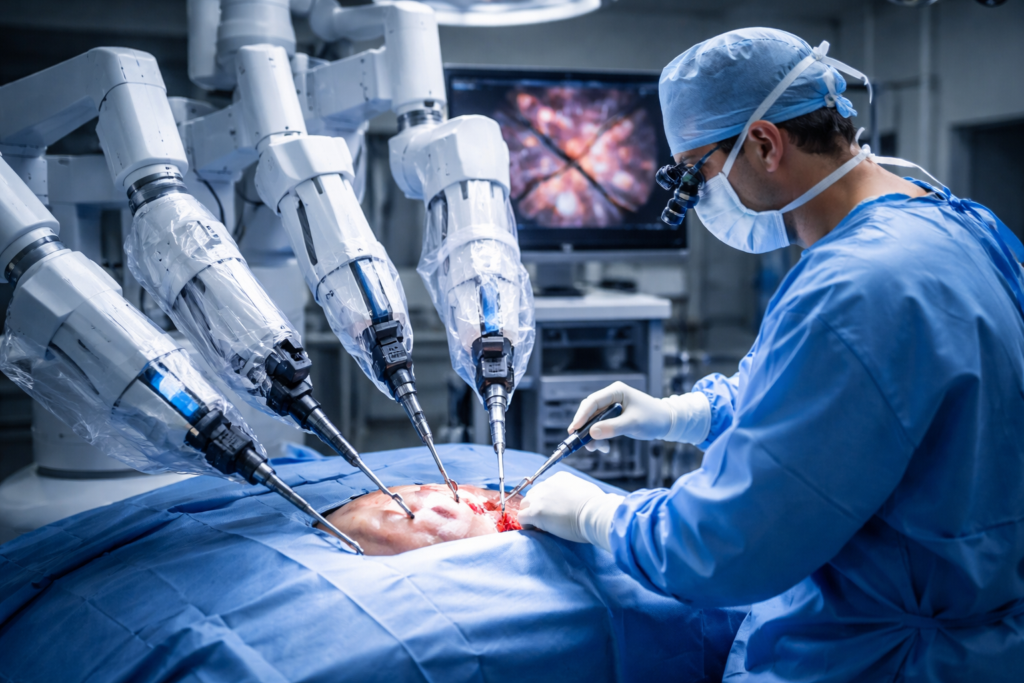
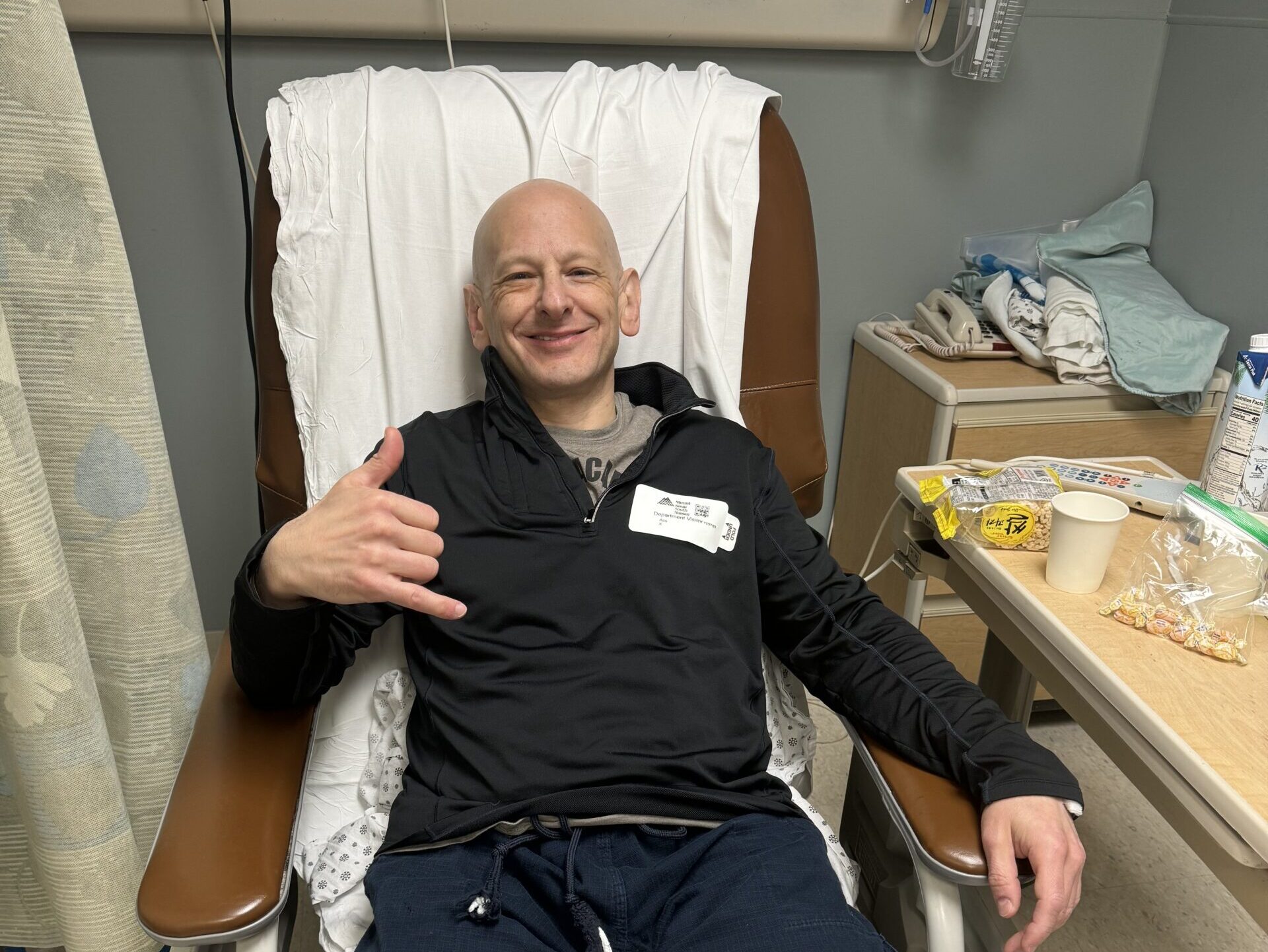
Most lists which detail what to pack for hernia surgery are written for sedentary patients, but athletes have different needs. Having been through hernia surgery several times myself, I’ve experienced firsthand which items are actually helpful as well as areas where many hospitals fall short. In this post, we’ll go over some of the items that I found to be helpful on the day of your hernia surgery. This packing list is actually quite suitable for any surgery, so whether you’re going in for hernia surgery or something else, this can serve as a useful reference tool.
Essentials the Hospital Will Expect You to Bring
Fortunately, there are really only a few items that you absolutely must bring with you. While someone from the hospital or your surgical team will likely let you know, here are the most commonly required items.
- Government Photo ID
- Health insurance card
- Comfortable clothing with loose waistband
- Slip-on shoes
- Phone and charger
- Eyeglasses and case
Clothing Athletes Actually Appreciate Post-Op
I wore a pair of inexpensive joggers that I found on Amazon. They’re soft and comfortable, the expandable waistband is perfect post-op, they’re easy to get on and off, their pockets make carrying small items very easy and convenient, they’re inexpensive, and reasonably stylish.
I also wore a loose fitting t-shirt that’s easy to get on and off. For both of my surgeries, I grabbed an old t-shirt from a past BJJ competition. I added another layer of a front zip hoodie, which made it easy to layer. It’s helpful to bring a hoodie that zips rather than a pullover to allow you to adjust for temperature fluctuations in the waiting area and to avoid having to pull too many clothing items over your head so soon after surgery. Also consider that many hospitals are a bit on the chilly side, so don’t forget to bring some sort of a hat. I chose a simple baseball cap, though anything will do. While some people recommend compression underwear, I would advise instead opting for loose fitting boxer briefs as you may come out of surgery with some swelling and/or sensitive tissue which could be aggravated by any compression garments.
I found it very helpful to wear tennis shoes with low athletic socks, but to also bring a pair of flip flops just in case. I’d advise packing everything in a small backpack that can fit into a locker. This makes it easy to keep everything together and to be able to organize your belongings in a small enough bag that the hospital staff can put in a locker for you.
Recovery Tools Worth Packing
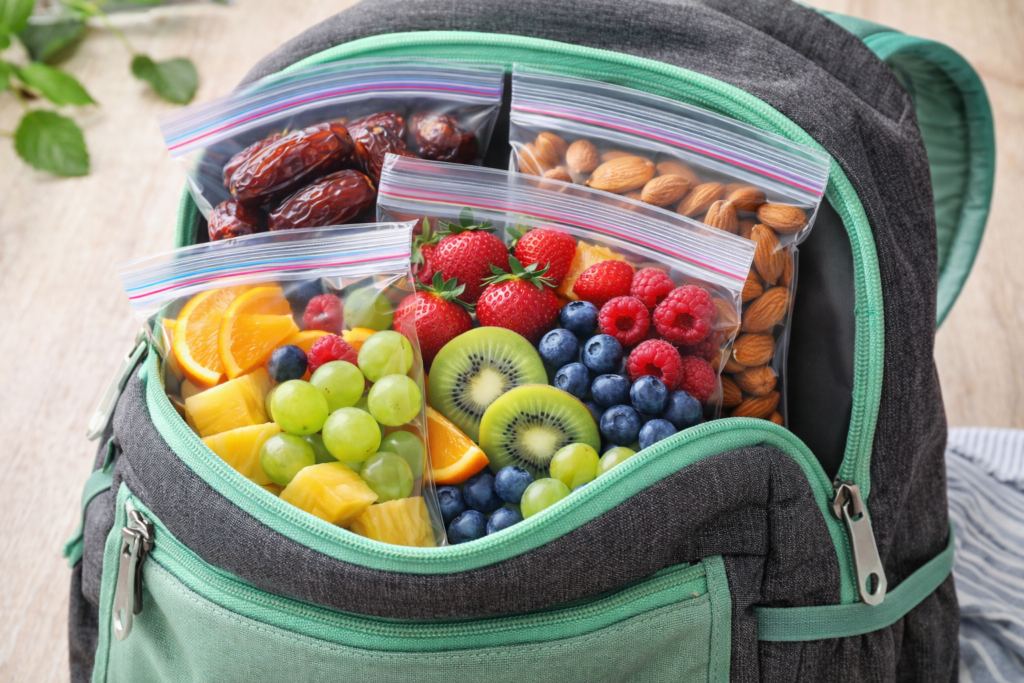
Here are some items that will truly upgrade your post-op experience. First of all, I highly recommend bringing your own water. Not that the hospital won’t have water, but this will eliminate the possibility that you’ll need to wait for a nurse to bring it to you. While my experiences with hospital staff were excellent, this can vary from one facility to another, so better to be prepared. I also highly recommend bringing your own post-op snacks. Hospitals will be glad to provide whatever you need, but at least here in the United States, most hospitals have terrible food, with most of it being highly processed junk food. I chose to bring a banana, almonds, dates, and a small piece of dark chocolate.
It can be helpful to bring a small pillow for the car ride home. This will enable you to get as comfortable as possible during the trip. I was lucky and only had to travel about twenty minutes each way, but we can’t always be so lucky.
Mental & Emotional Support Items
Surgery can be anxiety inducing for anyone and even for people who don’t experience this, the wait prior to surgery can be incredibly boring. Prior to my 2023 surgery, the previous procedure went overtime and I found myself waiting for an extra hour or two prior to being brought into the operating room, so I was glad to have remembered to bring some materials for comfort and entertainment.
For my 2025 surgery, I brought my iPhone and earbuds so I could listen to my favorite podcasts and music. But the comfort item I found most helpful was a book of Psalms. As someone who is spiritual and somewhat religiously observant, I found that reciting certain specific Psalms along with prayers for healing was very comforting. I also chose to make a charitable contribution as a way of preemptively expressing my gratitude for any divine protection through the surgical and recovery process.
What to Have Ready at Home Before Surgery
This was addressed in another post, but I’ll lean into it with some more detail here.
One very important item to have ready is your meal prep. I do meal prep every week anyway, so this was simple. But it’s also a good idea to have some food prepared specifically for the first few days of recovery. Knowing that coming off of the anesthesia I might not have the appetite for my regular diet, I made sure to have salted crackers, some canned soup, jello, Greek yogurt, plenty of fruit, dates, and almonds. It’s ideal to have a diet that’s rich in both protein (for healing) and fiber (to help with moving your bowels), but in the first few days you may just want to have some comforting food. It’s also helpful to keep some Gatorade or other electrolyte drink around due to the dehydration from not drinking liquids prior to surgery as well as the dehydration from the anesthesia. It’s also wise to keep some prune juice on hand just in case you need some extra assistance for those initial bowel movements.
You should organize all of your medication for the first week prior to going to the hospital. If you need to refill any prescriptions, do so before your surgery. Try to organize your meds and your supplements in a pill case if possible to make access easy.
Your surgeon will probably recommend some over the counter painkillers for after surgery. Try to find out what they recommend before your surgery date so you can stock up on them to be prepared. Also have MiraLax or another laxative of choice. I already have a lot of fiber in my diet and it still wasn’t enough to counteract the effects of the anesthesia, which is known to cause constipation.
Be sure to have an ice pack ready and waiting when you get home. You’ll need it during that first week or two. Also have an electric heating pad. Once the swelling goes down, the heat is extremely helpful for helping your body reabsorb and redistribute any fluid that’s accumulated, and will help to relax your hip flexors, which will likely become tight post-surgery.
Be sure to prepare your recovery area in advance to enable you to have as little work to do as possible once you get home. This means having your phone charger in place, your laptop where you need it, plenty of pillows and blankets, etc. Also lay out enough clothes for at least several days, if not for a full week. The last thing you want to be doing in your initial days of recovery is hunting around for your favorite IBJJF t-shirt or your academy hoodie.
Something I wish I had purchased prior to surgery is a grabber tool, though I did get one quickly off of Amazon a few weeks into recovery. These tools are fantastic post-op to enable you to function without having to bend down. They’re great for picking up items off the floor that you’ve dropped or just reaching for items that are out of the way. Having a grabber tool enabled me to be slightly more self-sufficient in the initial weeks of recovery.
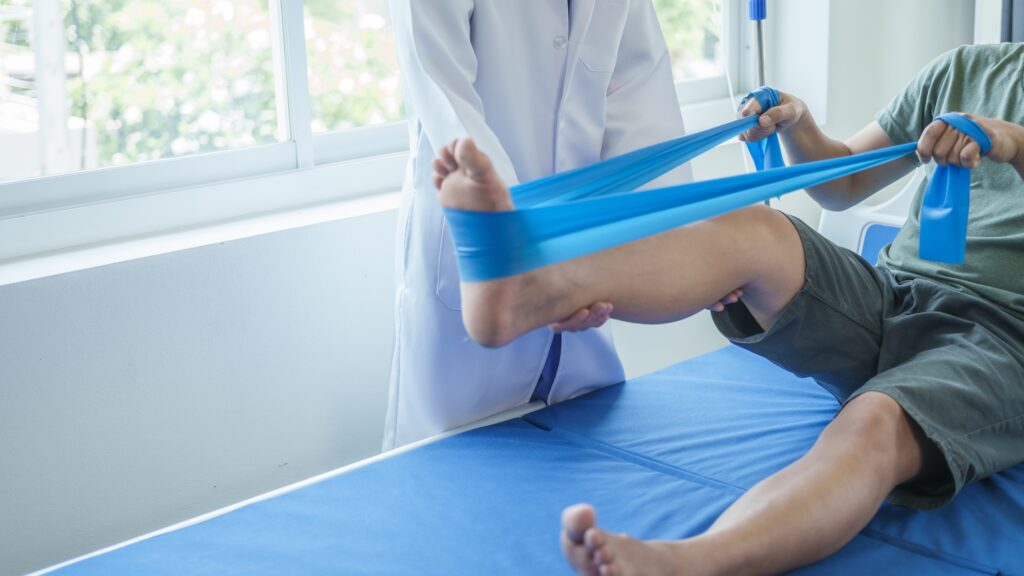
A few items to have around once you’re several weeks into recovery are light resistance bands for when you begin some gentle hip flexor and core work. I used these to do some very gentle upper body exercises such as presses, rows, and curls just to get the blood pumping a little bit. Later on, they’re great for the aforementioned hip flexor and core work.
Some surgeons also advise male patients to sleep on their back and to place a folded towel under the scrotum with the thinking that this support helps to reduce soreness. I found this to be rather difficult to do given how much I tend to shift in my sleep, but I think it’s helpful information nonetheless.
In addition to resistance bands, it can also be helpful to have a pair of 1 pound Indian Clubs. This can be a great way to introduce some light and gentle movement and very gentle core engagement in the early weeks of recovery. Around week 4, I began doing gentle Crescent Swings and other similar movements. Again, this was primarily to get the blood pumping, the body moving, and allow for some gentle core engagement.
Special Considerations for BJJ, Strength, and Combat Athletes
Your body won’t be used to being so sedentary after your surgery. Even if you do a lot of walking, you’ll still be more sedentary than you’ve been in quite some time.
Most surgeons recommend that their patients walk as much as possible for recovery, and I found this to be tremendously beneficial. Start with 3-5 minute walks around your home throughout the day, eventually adding more time as you heal. Once you feel up to it, do some longer walks around your neighborhood, gradually increasing distance and pace per feedback from your body. Walking is one of the best things you can do for your recovery. It helps to strengthen the hip flexors, keeps them limber, promotes fluid absorption, and helps with tissue glide. As you progress through your recovery, you’ll find the right balance between movement and rest. Just listen carefully to your body and it will tell you what it needs.
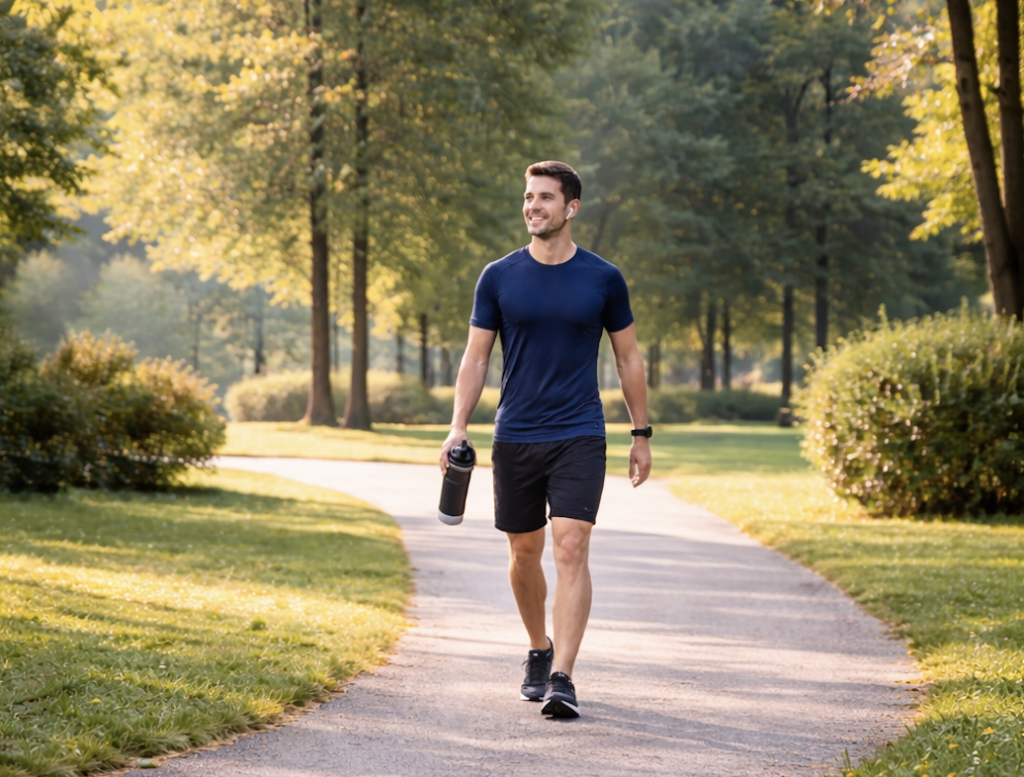
Resist the urge to push through your activity, and always do a little bit less than what feels appropriate. It’s important to remember that as athletes, and particularly as combat sport athletes, we’re accustomed to a far higher threshold of fatigue or discomfort than more sedentary patients, so it can be easier for us to overdo things early on. Be conservative and place just as much emphasis on rest and recovery as you do on training.
Conclusion
Packing isn’t primarily about comfort (though it helps). It’s more about removing friction from recovery. You don’t want to be worried about not having a necessary item while you’re dealing with soreness, being careful so you don’t accidentally damage the work your surgeon did, or are still in a fatigued state.
Remember that athletes heal better when the environment supports patience. Be prepared with the items you need both at the hospital and at home and you’ll be setting yourself up for a successful recovery.
To view Hanes Mens Joggers on Amazon, click here.
To view NTBAY Tiny Pillow on Amazon, click here.
To view Gatorade on Amazon, click here.
To view Sunsweet Prune Juice on Amazon, click here.
To view EZY DOSE 7-Day Pill Case on Amazon, click here.
To view MiraLax on Amazon, click here.
To view BICAREE ice pack on Amazon, click here.
To view Sunbeam heating pad on Amazon, click here.
To view Grabber Reacher tool on Amazon, click here.
To view Resistance Bands on Amazon, click here.
To view Indian Clubs on Amazon, click here.
BudoBelly is a participant in the Amazon Services LLC Associates Program, an affiliate advertising program designed to provide a means for us to earn fees by linking to Amazon.com and affiliated sites.