If you train in boxing, Brazilian Jiu Jitsu, or any combat sport, you already know how important your core is.
It’s not just about looking athletic. Your core is what transfers power into your punches, keeps you stable during scrambles, protects your spine and hips, and helps you to absorb impact.
But after 40, the approach needs to change. What worked in your 20s — endless sit-ups, aggressive twisting, or high-volume ab circuits — can start to do more harm than good.
The goal now is different.
The goal now is to build a strong, stable, and resilient core that supports your training rather than one that breaks down under it.
Why Core Training After 40 Needs to Be Different
As we get older, recovery takes longer, joints become less forgiving, and previous injuries (especially the hips, back, or groin) start to matter more.
For combat athletes, this is even more important. Rotational sports like boxing and BJJ place a lot of stress on the lower back, the hip flexors, the obliques, and the deep core stabilizers.
If your core training isn’t balanced, you’ll feel it. Most often it can be felt as tightness in the groin or hip, lower back soreness, or a lack of stability during movement.
What “Real” Core Strength Means for Combat Sports
Forget the idea that core training is just about abs.
For combat sports, your core needs to do three things:
1. Resist Movement (Stability)
This is the most important. Your core should prevent unwanted motion. Some examples include bracing when throwing punches, staying tight during guard passing, or maintaining posture under pressure.
2. Transfer Force (Power)
Your core connects your lower body to your upper body. Without it, your punches lose power and your movements feel disconnected.
3. Absorb Impact (Resilience)
Whether it’s body shots or pressure during grappling, your core needs to handle force safely.
The Best Core Training Approach After 40
Instead of high-rep ab workouts, focus on low-risk, high-return movements.
1. Anti-Rotation Training (Most Important)
These teach your core to resist twisting, which is critical for both boxing and BJJ.
- Pallof Press (band or cable)
- Standing band holds
- Split-stance anti-rotation work
These are some of the safest and most effective core exercises you can do.
2. Stability-Based Core Work
These exercises build control and coordination without excessive strain.
- Bird Dogs
- Dead Bugs
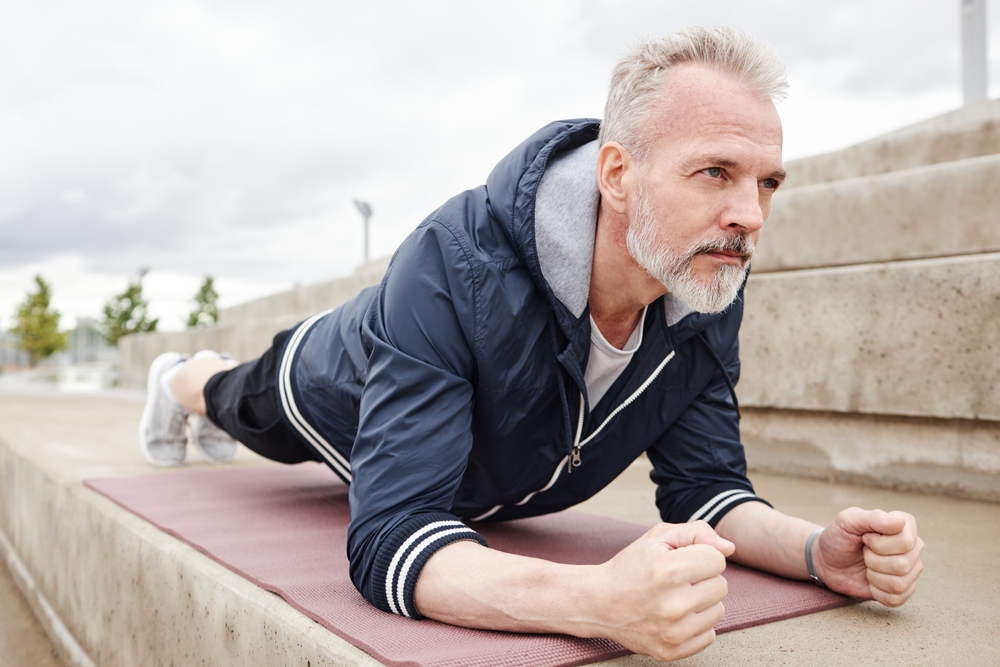
- Planks (short, high-quality sets)
Focus on slow and controlled movement and proper breathing and bracing.
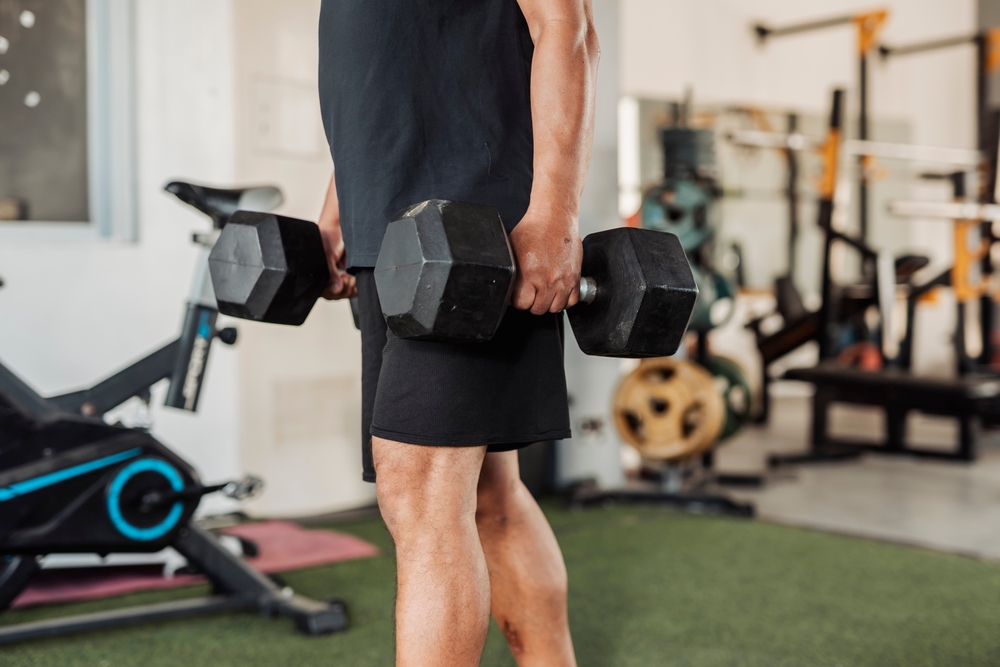
3. Loaded Carries
Loaded carries are one of the most underrated tools for core strength. Some examples include:
- Farmer carries
- Suitcase carries
- Rack carries
These train your core the way it’s actually used, which is to stabilize your body under load while moving.
4. Controlled Rotation (Not Excessive Twisting)
Rotation is important, but it needs to be controlled. Consider the following options for rotational strength:
- Light band rotations
- Medicine ball throws (low volume)
- Bulgarian bag work (if done carefully)
After 40, it’s worth considering avoiding or minimizing high-rep Russian twists and aggressive and fast rotational movements under fatigue. The risk to reward ratio often doesn’t add up as we age.
A Simple Weekly Core Routine
You don’t need a long workout as consistency matters far more. Try the following routine:
2–3x per week:
- Pallof Press – 3 sets of 8–12 per side
- Bird Dogs – 2–3 sets of 6–8 per side
- Farmer Carry – 3 rounds (30–60 seconds)
- Plank – 2 sets (20–40 seconds, high quality)
Optional additions:
- Light rotational work (1–2 sets)
Common Mistakes to Avoid
Doing Too Much Volume
More is not better, especially after 40.
Training Through Fatigue
Core breakdown opens the door to an increased injury risk
Ignoring Recovery
Your core is involved in almost everything, so it’s often wise to give it time to recover.
Chasing “Burn” Instead of Function
If it feels hard but doesn’t carry over to your sport, it’s not helping you.
How This Applies to BJJ and Boxing
For BJJ, this will offer better posture and base, more control during scrambles, and a reduced risk of lower back and groin issues.
For boxing, you’ll see more efficient power transfer, better balance and footwork, and an improved ability to absorb body shots.
Final Thoughts
After 40, smart training beats hard training.
If you focus on stability, control, and functional strength, you can build a core that not only supports your performance, but keeps you training consistently for years to come.