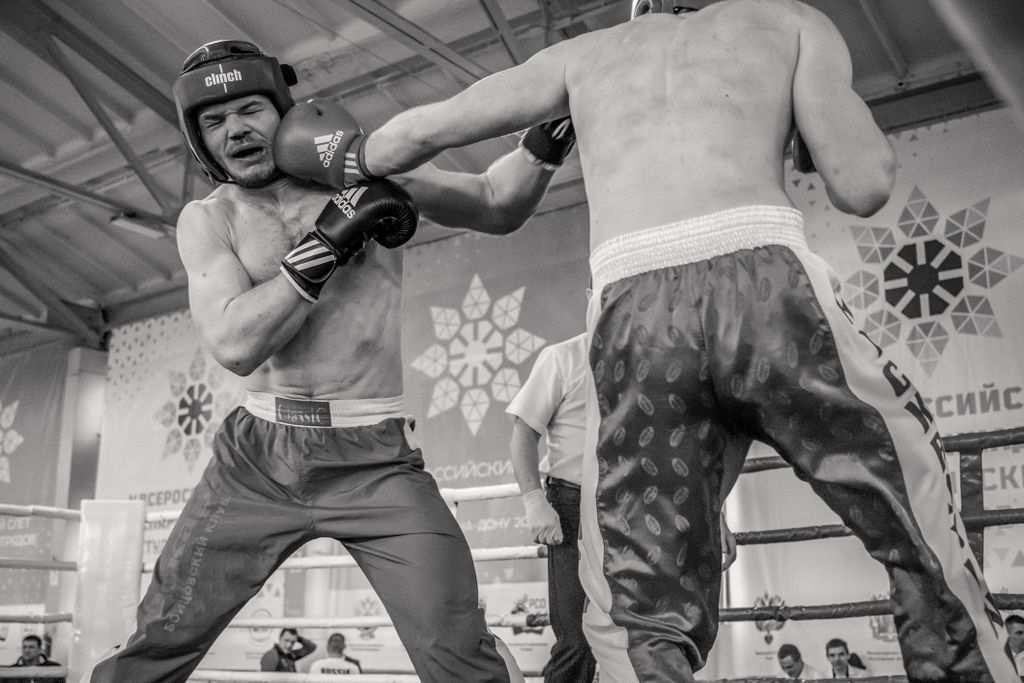

If you train boxing or Brazilian Jiu Jitsu long enough, shoulder issues aren’t a matter of if. They’re a matter of when. In my time training Brazilian Jiu Jitsu, Muay Thai, and Boxing, I’ve experienced tightness, clicking, and even subtle instability that was difficult to describe. I’ve dealt with all of it, especially coming back from surgery and rebuilding my body from the ground up. What I realized pretty quickly is that most “shoulder programs” miss the point entirely.
They either overcomplicate things with endless band work or isolate muscles in ways that don’t translate to real movement. What I needed was something that was simple, repeatable, and effective. The program also needed to be simple to integrate into my existing training protocols without having to move too many things around.
In this post, I’ll share the program I landed on. The program takes about 10 minutes, requires minimal equipment, and hits everything that actually matters: strength, mobility, stability, and coordination. It’s easy to add to my existing program, is extremely flexible, and can be done in small “micro-sets”, which fits very neatly with how I incorporate strength and assistance training into my schedule.
The Problem With Most Shoulder Training
A lot of shoulder routines for boxing focus on tiny isolation exercises, rehab-style movements that don’t scale, or heavy pressing without enough control. For example, one very common shoulder exercises for boxing is performing TRX pushups. Coming back to training after hernia surgery, I found TRX pushups to ask more from my hip flexors than they were ready for, which prompted me to explore alternative exercises.
Combat sports can be extremely unpredictable in how they recruit the shoulders. Your shoulders need to be strong, stable, mobile, and capable of handling force from multiple directions. An effective shoulder program needs to account for all of these factors, but that also needs to be balanced with providing enough benefits without overdoing the program to the point of taking away from energy that could be better spent on other training pursuits.
The 10-Minute Shoulder System for Boxing
Here’s what I use almost every day.
1. Indian Club Crescent Swing (2 minutes)
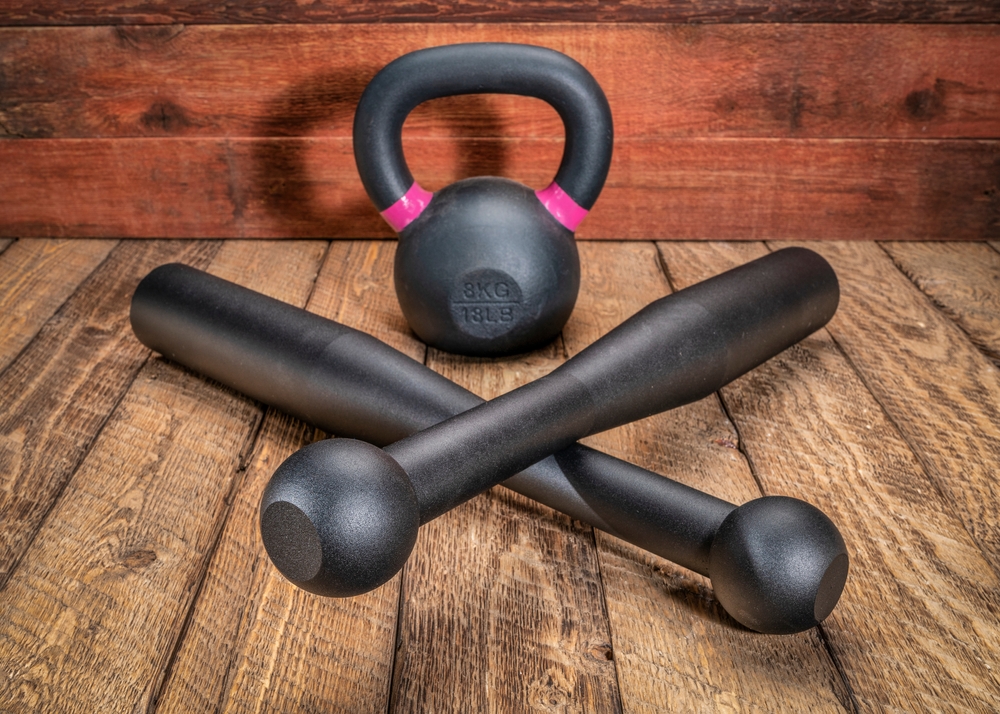
Light clubs (1–3 lbs) are all you need.
- 8-10 swings outward
- 8-10 swings inward
- 3-4 sets total
This is where I start. It gets blood into the joint and restores smooth, controlled movement. Think of it as “greasing the groove” for your shoulders. Indian Clubs are also very effective for coordinating breathing with movement, providing a gentle core stimulus, as well as gently working the upper back.
In addition to the physical benefits of Indian Clubs, they can also provide a fantastic neuromuscular stimulus that is great for working on eye-hand coordination through the process of learning new movement patterns. This not only translates to boxing, but also to daily life in general.
2. Kettlebell Halos (2 minutes)
- 8-10 reps each direction
- 3-4 sets
Halos train control around the shoulder joint while forcing you to stay tight through your core. The key is to move slowly and deliberately without rushing, and with no sloppy reps. For variation, try performing halos in a kneeling position or in a deep squat. For the purpose of shoulder strengthening, standing halos will provide all the benefit you need when paired with the other exercises in this post.
3. Pushups (2–3 minutes)
- 4 sets of 10-12 reps
- Slow tempo, full range of motion
Pushups are one of the most underrated shoulder exercises out there when done correctly. At the top, I make sure to fully “reach” and engage the serratus. This has made a noticeable difference in how my shoulders feel when punching in that my shoulders feel much more stable and secure.
4. Overhead Carries (2–3 minutes)
- 20–40 seconds per arm
- 3-4 rounds
- Light kettlebell (I use either a 15 or a 25 pound kettlebell)
This was the missing piece for me. Overhead carries teach your shoulder to stay stable while your body moves underneath it, which is exactly what happens in real training.
The goal isn’t to go heavy. It’s to stay tall, controlled, and stable. It turns out that overhead carries also happen to be a great core exercise, especially when done with heavier weight. But the goal here isn’t going as heavy as possible. Instead, it works well to find a weight that’s comfortable and to focus on keeping that weight very stable overhead while walking.
Why This Works
This routine works because it covers all the bases. Indian Clubs help to train mobility, halos help to train control, pushups work on strength, and overhead carries help to train stability under load. Many programs focus on only one or two of these. This program hits all four, and does so without beating you up or interfering with your training.
How I Use It
On boxing days, I’ll use this as a warm-up or as a post-training reset. On non-training days, this can be used as a standalone routine or as an addition to my regular strength training.
It’s short enough that I never skip it, and that consistency is where the real benefit comes from. I’m basically just “greasing the groove” almost daily. This program is easy to incorporate into my existing routine, and it feels so great and restorative that I even look forward to these exercises.
Final Thoughts
At this stage, I’m not just training to perform. I’m training to last. This shoulder routine has helped me feel more stable, more fluid, and more confident in my shoulders without adding unnecessary complexity to my boxing training.
If you’re dealing with shoulder tightness, instability, or just want to stay ahead of injuries, try this for a few weeks. The simplicity of this routine make it an easy addition to any training routine.