In this article, I’ll share my current weekly workout routine for boxing, strength training, mobility, recovery, and longevity as a combat sports athlete in my mid-50’s. This approach has helped me stay athletic, improve conditioning, recover intelligently, and continue training consistently without constantly feeling beat up.
Why This Weekly Workout Routine Works Well for Men Over 50
One of the biggest lessons I’ve learned as I’ve gotten older is that consistency matters far more than intensity.
When I was younger, I used to truly love embracing training that would leave me exhausted. I even took it as a badge of honor to be able to hold my own against teammates who were several decades younger than I was. Now that I’m in my mid-50’s, after years of strength training, Brazilian Jiu Jitsu, boxing, and recovering from multiple hernia surgeries, I’ve come to appreciate a different approach.
I no longer train to failure, and I’m much more mindful of how I pace myself. Instead, I train to stay athletic, capable, healthy, and resilient for the long term. In other words, I train with purpose. That means balancing boxing, strength training, mobility, walking, recovery, and just enough daily movement to keep my body feeling alive without constantly digging myself into a recovery hole, and structuring my training to be mindful of recovery, injury prevention, and sport specific goals.
This is the weekly training structure that’s currently working well for me.
My Philosophy: Daily Movement Without Daily Exhaustion
I’ve found that my body responds best to daily stimulus. Not necessarily maximal effort every day, but daily movement with just enough intensity to provide a stimulus, but not so much that it adds required recovery time.
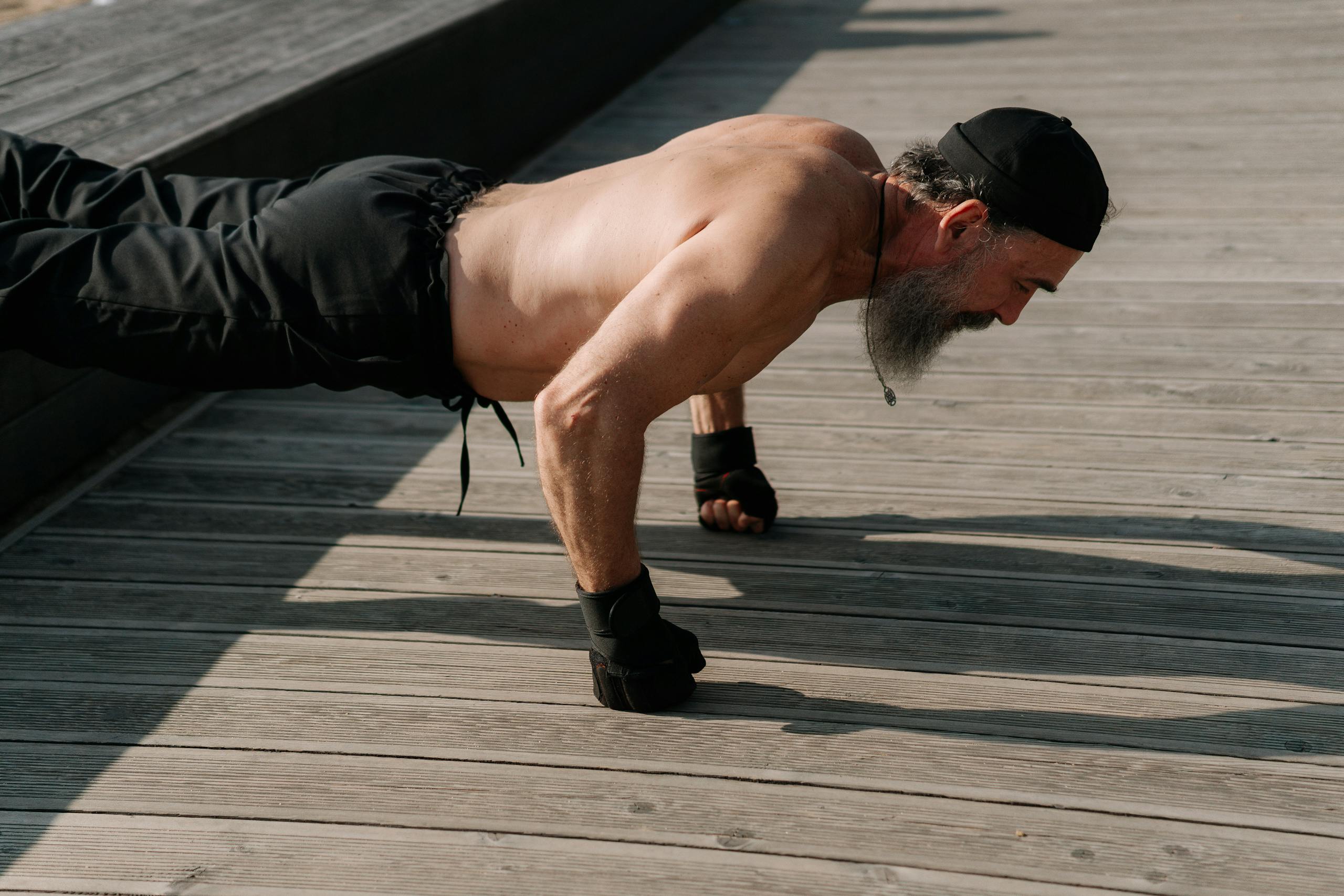
That might mean pushups, squats, core work, mobility, light kettlebell cleans in low volume, shoulder stability work, walking, and rucking. I find that my body likes the feeling of practicing movement every day, even if the workload is relatively small.
For me, daily training creates momentum. If I take too many complete rest days, I often feel stiffer, slower, and less energetic. But when I keep my body moving consistently, I generally feel better physically and mentally. The key is managing intensity.
I sometimes observe many combat sports athletes over 40 and 50 who make the mistake of training every session as if they’re preparing for a title fight, though eventually that type of training catches up with you.
I’d rather train sustainably for decades than burn out trying to prove something in a few months.
Who This Routine Is Designed For
This type of training structure may work well for anyone prioritizing longevity and consistency over burnout. It can be tricky to balance strength training with boxing, BJJ, or other combat sports, especially for athletes over 40 or 50 years old. It can be equally difficult to learn how to strike a balance while recovering, or to do so in a way that minimizes the chance of injury.
This workout routine can be an excellent fit for:
- Men over 40 or 50
- Former athletes returning to training
- Combat sports practitioners
- Busy professionals
- People recovering from injuries
Even for younger athletes, it can be very helpful to find a way to blend strength training with boxing or Jiu Jitsu due to the time constraints of careers, family, and playing a role in our community, so it’s important to find an efficient way to incorporate everything into our schedules.
My Weekly Training Routine
Daily Foundation Work
Every day, I do some form of:
- Pushups
- Bodyweight squats
- Core work
- Mobility work
- Shoulder strengthening exercises
- Walking or rucking
The volume is usually moderate and manageable. I’m not trying to annihilate myself with calisthenics. I simply want regular movement, blood flow, joint health, and athletic maintenance. I’m also looking for a light daily muscle stimulus.
This daily work helps me to stay mobile, maintain a baseline level of conditioning, keeps my core engaged, reinforces movement patterns, helps me to recover better from harder sessions, and helps me to maintain consistency. I also do daily kettlebell cleans with a relatively light kettlebell. For me, kettlebell cleans are one of the best ways to maintain the hip hinge pattern, develop coordination, and keep my posterior chain active without overly taxing my recovery. They’re also a great way to counteract the effects of sitting at my desk throughout the day. Whenever I get up from my desk, I don’t sit down again until I’ve incorporate a set of kettlebell cleans or another movement pattern. By “greasing the groove”, I find that it’s very easy to accumulate enough reps and sets throughout the day to get in a complete workout.
This daily workout takes about 15-20 minutes at most, and by doing it first thing in the morning, it energizes me and gives me a sense of accomplishment as a way to start my day. By doing it every day, I can also relax if I need to miss a strength training day as I know that I’ve done a bare minimum workout already.
Boxing Training (3x Per Week)
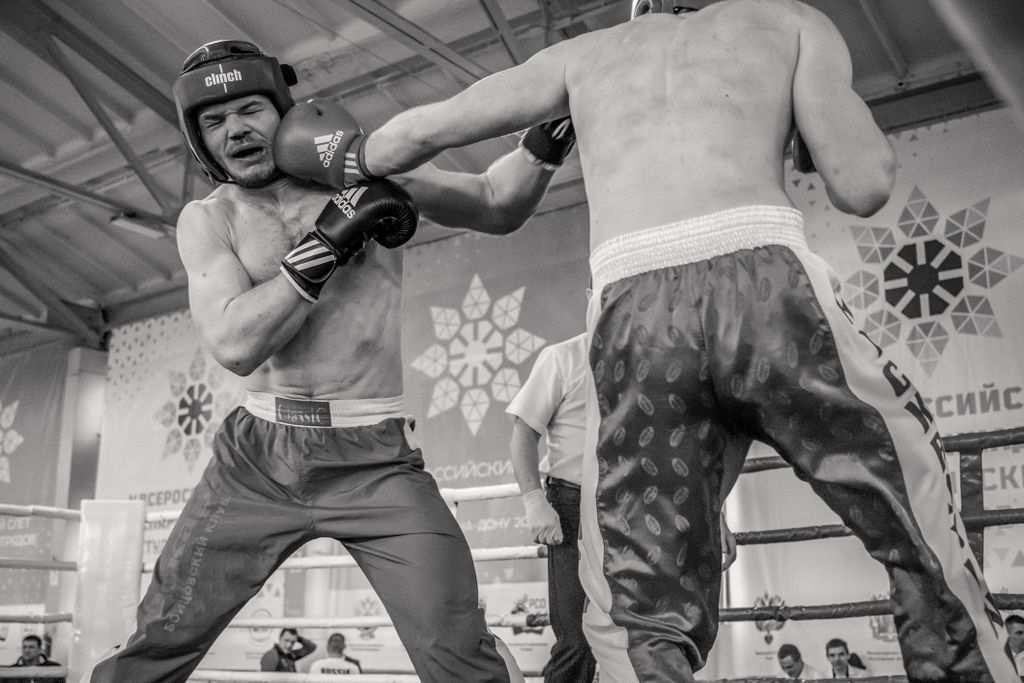
I currently train boxing about three times per week at Eastern Queens Boxing Club, usually on Tuesdays, Thursdays, and Sundays. I’ve really fallen in love with boxing training as there’s something incredibly satisfying about the rhythm, movement, conditioning, footwork, and technical aspects of the sport. Boxing has come to be one of my favorite parts of my weekly workout routine.
Most sessions will include the standard components of a boxing training circuit, which involves jump rope, shadowboxing, footwork drills, head movement and defense, heavy bag work, and conditioning drills.
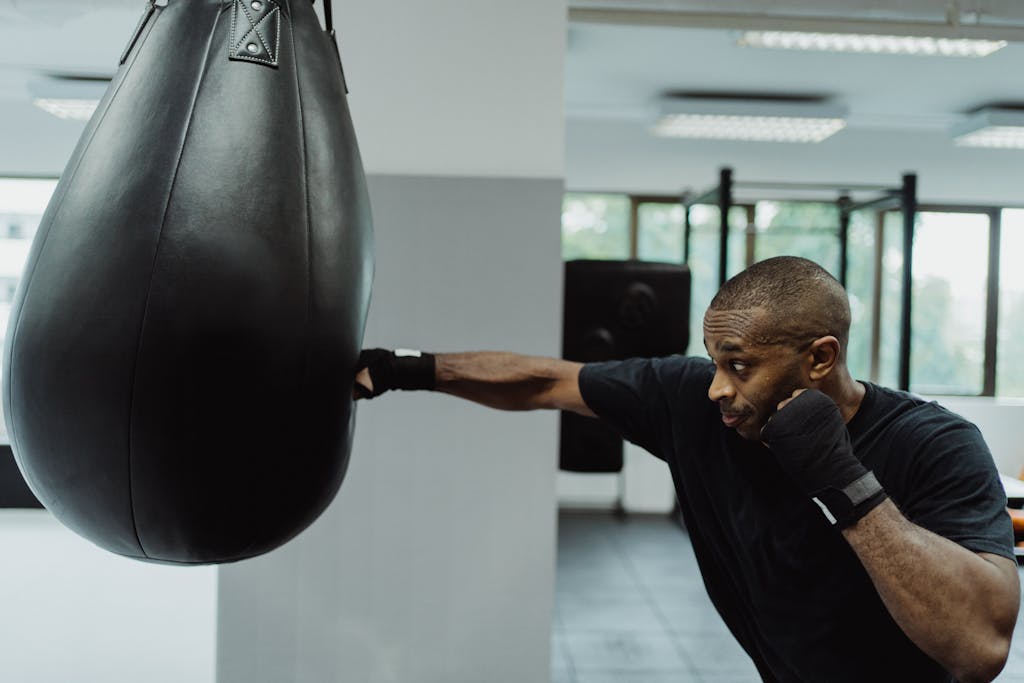
One thing I’ve become very mindful of, especially post-surgery, is intensity management. I don’t feel the need to spar hard regularly, especially at this stage of life. My focus is skill development, conditioning, movement, and enjoyment of the sport while minimizing unnecessary injury risk. I view boxing as an effective way to participate in a combat sport which won’t meaningfully risk the integrity of my hernia repairs. In addition, boxing actually helps to strengthen and “bulletproof” my core, adds a valuable skillset to my arsenal, and provides an outlet for athleticism and competition, even if the competitive aspect is limited to light technical sparring.
Strength Training (2x Per Week)
I currently strength train twice per week. For men over 50, two well-structured strength training sessions per week can be more than enough when combined with regular daily activity. This also makes it easy to balance boxing and strength training.
My workouts are relatively simple and focused on functional movements that support healthy aging and combat sports performance.
Most sessions include:
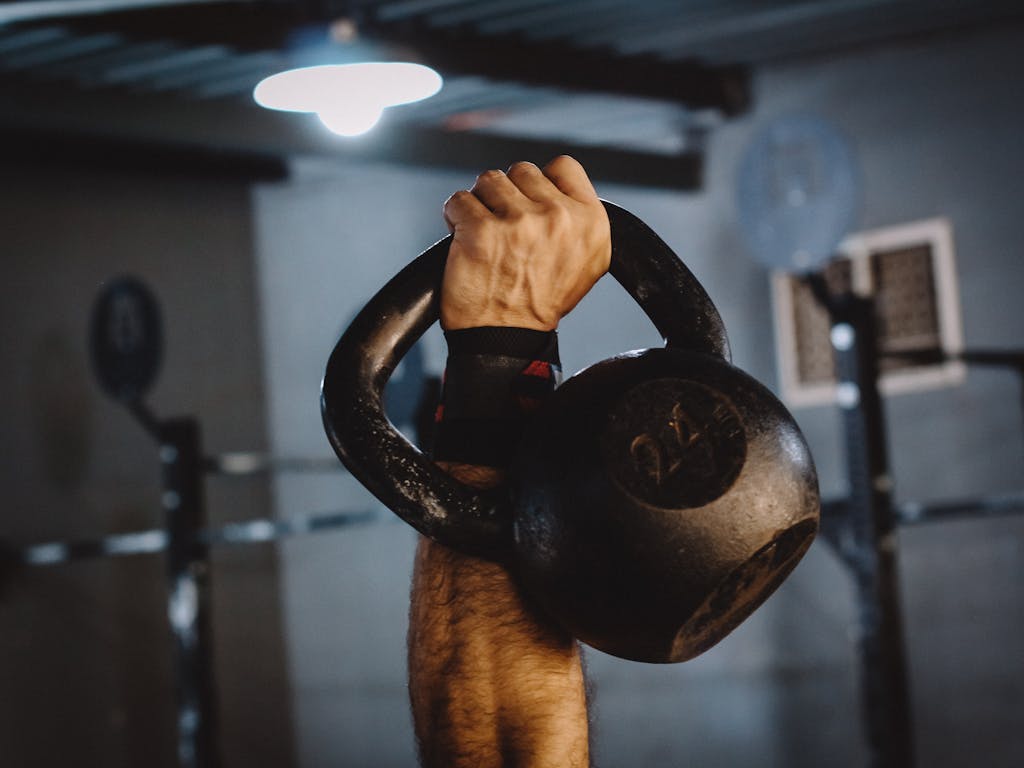
- Kettlebell deadlifts
- Kettlebell cleans
- Bent over rows
- Overhead presses
I’m not chasing massive numbers of reps or maximal lifts. My priorities now are strength maintenance, joint health, athleticism, posture, longevity, and injury prevention.
I’ve found that a moderate amount of strength training combined with consistent movement works much better for me than occasional extremely hard workouts, so I find that a well chosen routine done 2x per week is a perfect longevity fitness solution.
Walking and Rucking
Walking has become one of the most underrated parts of my training. I try to walk daily, and on weekends I often do a longer walk or light ruck. Rucking, in particular, has become one of my favorite forms of conditioning.
Rucking provides low-impact cardio, core engagement, postural strengthening, mental decompression, and work capacity development. And carrying the weight in the ruck pack loads and strengthens the posterior chain in a low impact way that involves minimal injury risk.

Unlike many high-intensity conditioning methods, I can recover from a ruck very easily. As I’ve gotten older, I’ve come to appreciate forms of conditioning that build me up rather than constantly breaking me down.
Recovery for Older Athletes Matters More Than Ever
One of the realities of training after 40 (and especially after 50) is that recovery is an essential part of our training. That doesn’t mean becoming fragile. Instead, it simply means becoming smarter.
I pay much more attention now to sleep, nutrition, protein intake, mobility, stress management, recovery pacing, and avoiding unnecessary wear and tear. A very wise BJJ instructor of mine once share with me the following words of advice:
“It’s just as important to put the same discipline into your recovery as you put into your training.”
Ironically, I often feel better now training with more intelligence and moderation than I did years ago training purely on intensity and ego.
Final Thoughts
I think one of the biggest mistakes people make as they age is believing they have to stop training hard altogether. I don’t believe that. But I do believe we need to train intelligently.
For me, that means daily movement, moderate strength work, skill training, mobility, walking, recovery awareness, and consistency.
I’m no longer training just for aesthetics or for ego. I’m training so that I can continue doing the things I love for as many years as possible. And honestly, at this stage of life, that feels like a far more meaningful goal.