If you train Brazilian Jiu Jitsu long enough, getting injured isn’t a question of if. Unfortunately, it’s just a question of when. And if you’re over 40, that reality hits a little differently.
I’ve dealt with my share of setbacks, including hernia surgery and the long process of returning to the mats safely. One of the biggest lessons I’ve learned is this:
You don’t need to stop training. You just need to learn how to train differently.
Done right, you can stay consistent, keep improving, and actually come back better.
The Biggest Mistake: All or Nothing Thinking
A lot of people fall into one of two traps when trying to train through injuries in BJJ. I’ve seen teammates push through pain and make things worse. And other times, people will stop training altogether and lose the momentum.
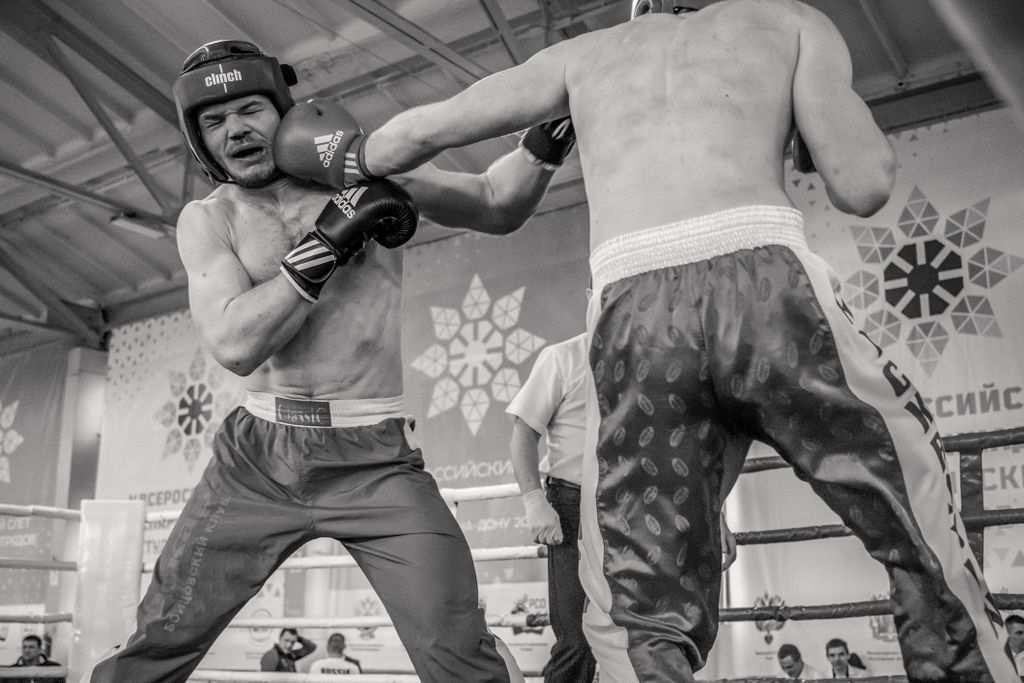
Neither approach is ideal. The goal should be to find the middle ground that allows you to train what you can do, not what you can’t. For example, in my boxing training core work, rather than doing endless rounds of sit-ups and crunches at the end of the training circuit, I substitute Pallof Presses, Pallof Twists, Planks, Loaded Carries, and other core work that is more appropriate and more beneficial post-hernia surgery.
Step 1: Define Your “No-Go” Movements
Before you even step on the mat, you need to be honest about what’s off-limits. Depending upon the injury, that might include avoiding explosive bridging, heavy pressure passing, inverting or stacking, or sudden rotational movements.
For me during recovery, anything that created excessive intra-abdominal pressure or strain on the core was a no-go. I even trained with one teammate who, while recovering from an arm injury, tucked his injured arm into his belt rolled without using it. Nevertheless, I still tapped to his submissions.
Step 2: Shift Your Focus, Not Your Identity
You’re still training Jiu Jitsu, boxing, or whatever your chosen combat sport it. You’re just shifting your emphasis. In fact, this can be an excellent time to dial in aspects of your game that don’t rely on the part of the body that’s recovering from injury.
Some of the best areas to focus on while injured:
Technical Refinement
Slow things down. This is where details live. Instead of going for “wins”, focus on specific concepts such as grip fighting, framing, weight distribution, or timing. Don’t worry about whether you get tapped. Just work on whichever concept or technique works with your recovery process.
Defensive Skills
Being injured is actually a great time to sharpen defense. Allow yourself to be placed in bad positions and work on escapes, work on guard retention, or allow your training partners to work their submissions while you defend.
Upper vs Lower Body Isolation
Depending on the injury, you can often emphasize one over the other. For example, if your injury affects the lower body, work on grips. If you have a core injury, work on positional awareness and light drilling.
Step 3: Choose Your Training Partners Carefully
This one is huge and is often overlooked. The right training partner will help you improve and will understand how to properly modulate their pace and intensity in a manner that will help you work on your goals, won’t place you in danger, and will do so in a way that also is beneficial for their training progress. The wrong training partner can set you back weeks, or even worse.
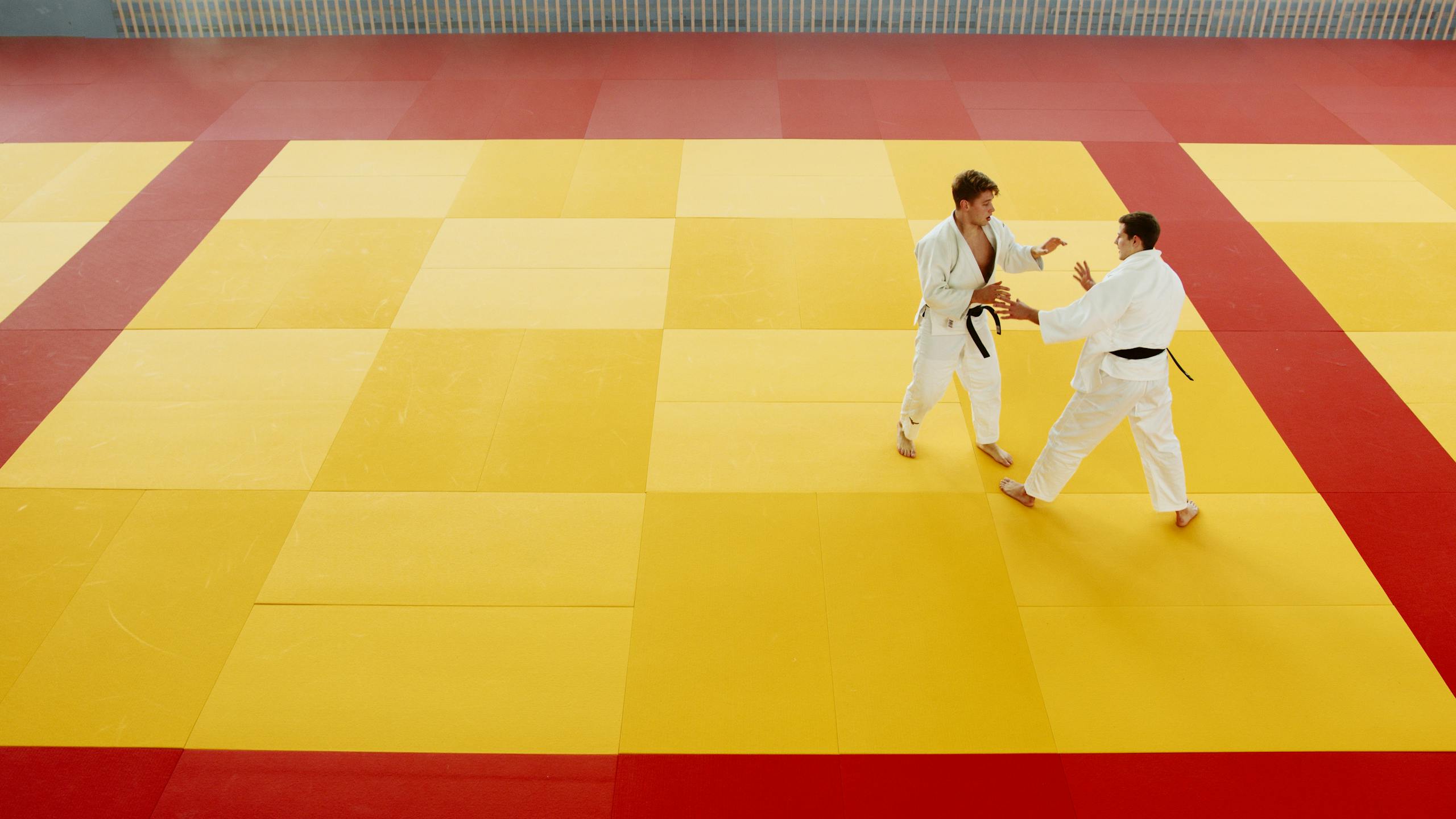
Look for people who are capable of rolling at a controlled intensity, will respect your limitations, and who won’t be trying to “win” every exchange. This often means working exclusively with higher belt ranks, though sometimes a very thoughtful white belt who is a former D1 wrestler may be capable of exercising enough self-control to make the exchange safe and beneficial.
And don’t be afraid to say: “Hey, I’m working around an injury. Can we keep it light?”
The people worth training with will understand. In fact, all practitioners over 40 should always be choosing their training partners carefully. I’ve had many conversations with other teammates who are around my age about this very issue. We’ll compare notes on situations we’ve encountered and will warn one another about which younger teammates could pose some danger due to the frenetic pace they prefer or their recklessness on the mats.
Step 4: Redefine What “Winning” Looks Like
When you’re healthy, winning might mean submitting your partner or dominating positions. But when you’re injured, winning often looks like training without aggravating the injury, executing clean techniques, or staying relaxed under pressure. It’s a different mindset, but an incredibly valuable one. It’s also a great way to learn and improve, and due to how much it relieves the pressure of always trying to “win” on the mats, it can even make training more fun and playful.
Step 5: Use Constraints to Your Advantage
Limitations can actually accelerate your development. If you can’t rely on strength or explosiveness, you’re forced to improve the efficiency of your movements, tighten your technique, and to develop better timing.
Some of my biggest technical improvements came when I couldn’t muscle through positions and was forced to rely on technique.
Step 6: Keep Your Conditioning (Smartly)
Even if your training is limited, you don’t have to lose your conditioning. Focus on walking or light rucking, light shadow grappling or shadow boxing, controlled and appropriate strength and core work, or breathing and bracing drills.
The goal is to maintain your base without interfering with recovery. A very wise coach once told me “It’s essential to be as disciplined with your recovery as you are with your BJJ training.”
Step 7: Know When to Pull Back
There’s a difference between discomfort and warning signs. Pay attention to sharp or increasing pain, lingering soreness that doesn’t improve after 24-48 hours, and any general sensations that feel “off” when compared to your baseline. When in doubt, scale back.
Consistency over time always beats short bursts of overtraining followed by setbacks.
Final Thoughts
Injuries are part of the journey in Brazilian Jiu Jitsu and in combat sports in general, especially if you plan on training for the long haul.
But they don’t have to stop your progress.
If you train intelligently, injuries can actually make you a more technical, more aware, and more resilient grappler.
I’ve lived this firsthand. Train smart, stay patient, and keep showing up. In fact, I recently experienced a setback with my boxing training. As my jump rope skills have improved, I’ve been jumping for longer periods of time, integrating jumps on one foot, and working on other patterns. I found my right calf getting sore to the point that I began limping. Rather than skipping training, I replaced my jump rope rounds with the stationary bike and added more shadow boxing, head movement, and heavy bag rounds. My calf situation cleared up very quickly, I didn’t have to miss training, and I saw improvement in my technical skills.
Call to Action
If you’re working through an injury, I’d be interested to hear how you’ve adapted your training. Drop a comment or reach out. I always enjoy hearing how others are navigating the same path.