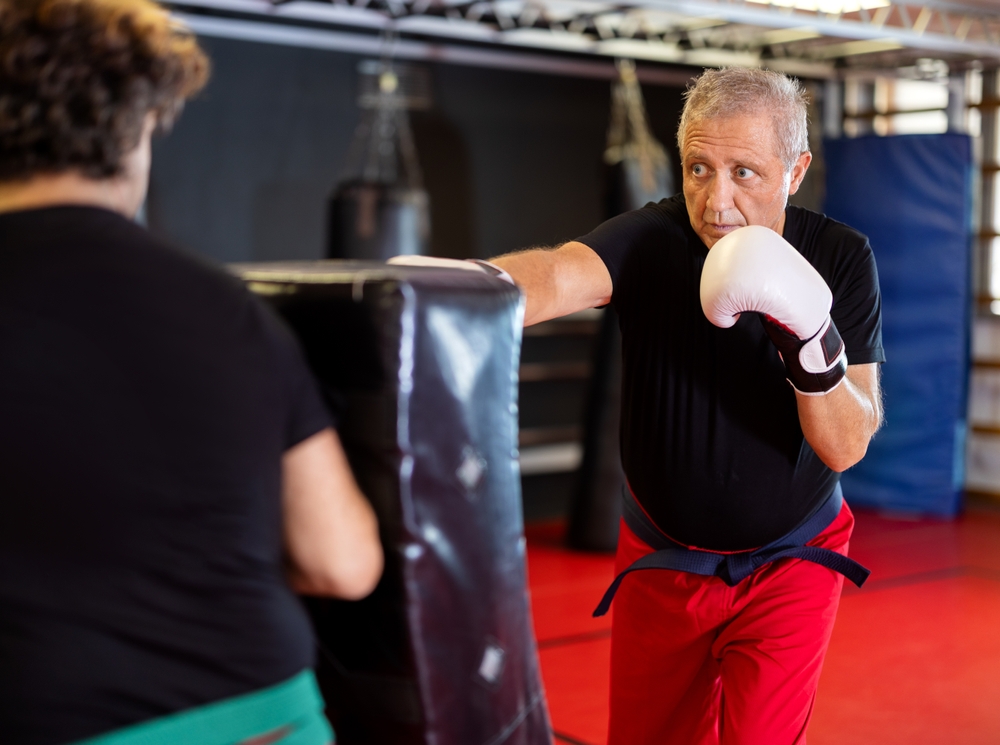
If you train martial arts long enough, you eventually realize that choosing the right training partners can be almost as important as choosing the right gym. That becomes even more important after 50.
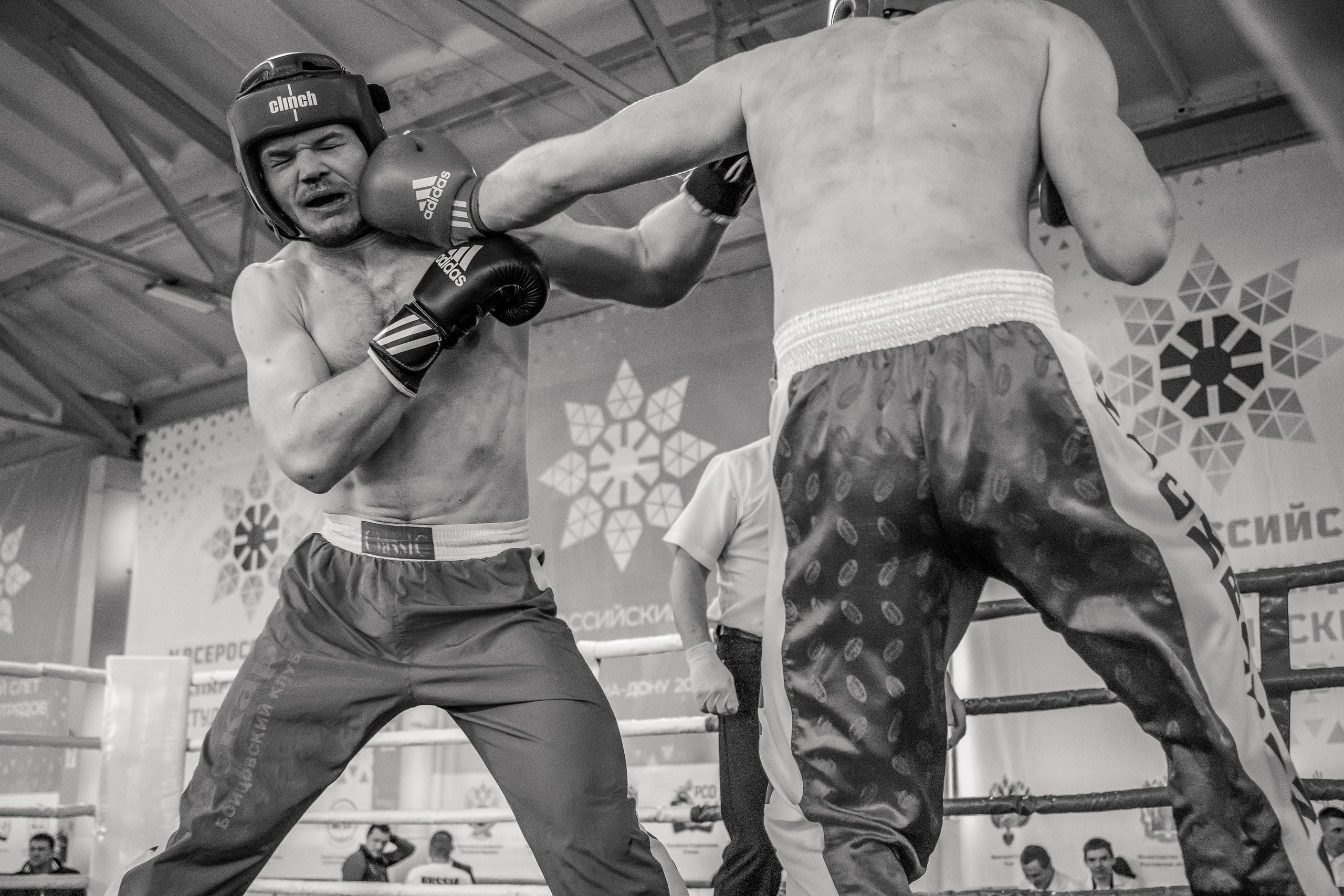
Whether you’re boxing, training Brazilian Jiu Jitsu, wrestling, doing Muay Thai, or practicing another combat sport, sparring and rolling inevitably carry some risk. We can’t eliminate that risk entirely, nor would we necessarily want to. Learning to perform against a resisting opponent is one of the things that makes martial arts different from most other forms of exercise.
But there’s an enormous difference between accepting reasonable risk and unnecessarily exposing yourself to injury.
As I’ve gotten older, I’ve become much more selective about who I train with and how I approach sparring. My goal isn’t to prove that I can beat everyone in the room. It’s to continue learning while keeping my body healthy enough to come back and train again.
Here are some of the things I’ve learned about choosing safe sparring partners after 50.
Sparring Should Be About Learning, Not Winning
One of the biggest changes I’ve made as I’ve gotten older is how I think about sparring and rolling.
Most rounds don’t need to be competitions. Instead of trying to “win” every round, I think it’s much more productive to enter a round with a particular objective.
In boxing, that might mean working on:
- A particular combination
- Maintaining good footwork
- Using angles instead of backing straight up
- Practicing a particular defensive technique
- Keeping your guard in position when under pressure
- Working behind the jab
In Brazilian Jiu Jitsu, it could mean:
- Escaping from side control
- Recovering guard
- Working from an uncomfortable position
- Practicing a particular sweep
- Defending a specific submission
- Trying to reach a position you’ve been working on in class
You might technically “lose” the round while accomplishing exactly what you wanted to accomplish. That’s still a successful training session.
After 50, I think this distinction becomes particularly important. There isn’t much value in accumulating unnecessary wear and tear simply so we can say we got the better of someone during a Tuesday night training session.
Hard Sparring Should Be the Exception
There is still value in occasionally turning up the intensity. If you’re preparing for competition, harder sparring or rolling may be necessary. And even if you don’t compete, occasionally pressure testing your skills can teach you things that technical sparring can’t.
Adrenaline changes things. Techniques that feel easy when you’re relaxed may become much more difficult when someone is coming at you aggressively and your heart rate is elevated. But that doesn’t mean every round needs to feel like a competition.
For those of us training after 50, hard sparring should generally be something we do deliberately rather than automatically. There should be a reason for it.
Most of our training can be technical, controlled, and focused on skill acquisition.
Watch People Before You Train With Them
One of the easiest ways to identify good training partners is simply to watch.
Pay attention to how people behave during sparring, rolling, and even drilling. Do they move deliberately? Can they control their strength? When someone asks them to go light, do they actually go light? Do they become frustrated when they’re losing? Do they suddenly increase the intensity when someone catches them with a technique? How do they treat smaller, older, or less experienced practitioners?
You can learn an enormous amount about someone by watching a few rounds. I once found myself rolling with a former collegiate wrestler in his early 20s. After I caught him in a Peruvian Necktie choke, his frustration showed and he immediately went to full competition intensity. Given how reckless this was on a crowded mat and with a training partner 30 years his senior, I took this as a sign that I should keep my distance from him until he showed more restraint.
The people I want to train with aren’t necessarily the people who are easiest to spar with. They’re the people who can give me a challenging round while remaining controlled.
Experience Usually Helps — But Don’t Assume
Generally, I’ve found that more experienced martial artists tend to make safer training partners.
In Brazilian Jiu Jitsu, higher belts usually have enough technical ability that they don’t need to rely on uncontrolled strength or explosiveness. Experienced boxers often have a much better understanding of how to spar technically without turning every exchange into a fight.
Older practitioners can also be excellent partners because they’re often thinking about many of the same things we are: longevity, injuries, recovery, and being able to train tomorrow.
But none of these are guarantees.
I’ve met experienced practitioners who train much harder than I want to, and I’ve met relatively inexperienced practitioners who are remarkably controlled. In fact, in that same academy, there’s another former collegiate wrestler around the same age who, as a new white belt, always felt incredibly safe to roll with. His training and rolling was always deliberate and with a focus on skill acquisition rather than trying to “win” the round.
That’s why I think it’s better to evaluate training partners individually rather than assuming that a particular belt, age, or experience level automatically makes someone safe.
Talk to Your Training Partners
Sometimes the easiest way to figure out whether someone is a good match is simply to talk to them.
Ask them how they like to train. Tell them what you’re working on. If you want a technical round, say so. If you’re dealing with an injury or there’s something you don’t want to expose to unnecessary risk, communicate that before the round begins.
Over time, these conversations also help you identify people who approach martial arts similarly to you. This approach certainty isn’t foolproof, but you can glean quite a bit from these casual conversations.
Those are often the training relationships worth cultivating.
Ask Your Coach
Your coach probably knows the personalities in the room better than you do.
If you’re relatively new to a gym, there’s nothing wrong with asking: “Who would you recommend I spar with?”
A good coach will usually know who can provide an appropriate level of resistance while staying controlled. At my boxing club, our coaches offer excellent guidance regarding who to train and spar with, and they know everyone’s styles quite well. As a result, I’ve always felt very safe with whomever they’ve paired me with in training.
This can be especially useful when you’re returning from an injury or just beginning to spar.
Don’t Be Afraid to Tap Early
This is particularly important in Brazilian Jiu Jitsu. There’s no medal for being the last person to tap during an ordinary training session.
If a submission feels dangerous, tap. If you’re caught in an awkward position and something doesn’t feel right, tap. If someone is applying a submission faster than you’re comfortable with, tap even earlier.
I’ve become increasingly comfortable with the idea that protecting a joint is considerably more important than proving that I might have been able to escape.
You can always roll another round, but you can’t necessarily undo an injury.
Sometimes “Losing” Is the Smartest Decision
Certain drills can create situations where intensity escalates quickly.
King of the hill drills are a good example. Everyone is trying to stay in, and people sometimes become considerably more enthusiastic than they would during a normal technical round.
If I find myself paired with someone who seems overly exuberant, I’m perfectly willing to tap early or even allow them to “win” the drill. I don’t care.
The purpose of training is to improve my martial arts, not to win an unofficial championship during class.
There will always be another round.
Sometimes It’s Better to Accept the Takedown
One of the best pieces of advice I’ve heard about training as we get older came from a Judo black belt who now practices Brazilian Jiu Jitsu and is in his mid-50s. Sometimes it’s safer to accept the takedown.
Rather than desperately fighting to remain standing, there are situations where accepting that you’re going down allows you to control how you return to the mat. Fighting a takedown at all costs can sometimes put your knees, ankles, or other joints in unpredictable positions.
There’s obviously a time to practice takedown defense. But during ordinary training, there’s also wisdom in recognizing when you’ve lost the position and transitioning safely to the ground.
That’s another example of why we need to rethink what “winning” and “losing” mean during training.
Be Careful With the New Guy
One rule I’ve increasingly come to appreciate is simple: Don’t rush to train with the new guy.
That doesn’t mean beginners are dangerous people. It just means you don’t know them yet.
You don’t know how athletic they are, how well they control their body, whether they understand gym etiquette, or how they’ll react when they start losing. Someone with very little technique but a lot of strength and athleticism can be surprisingly unpredictable.
Spend some time watching new practitioners in different situations. See how they drill. Watch them spar or roll. Notice how they respond when they’re tired, frustrated, or placed in a bad position.
Once you’ve seen enough to feel comfortable with how they train, you can make a much better decision about whether they’re an appropriate partner for you.
Become the Training Partner You Want to Find
Choosing safe training partners isn’t only about evaluating everyone else. We should hold ourselves to the same standard.
Control your techniques. Respect the intensity your partner has agreed to. Don’t suddenly turn up the pace because someone caught you with something. Give your partner time to tap. Pay attention to differences in age, experience, size, and physical ability.
You can still challenge your training partners. In fact, a skilled and controlled partner can make a round extremely difficult without making it unnecessarily dangerous.
Those are the people I increasingly want to train with, and that’s the kind of training partner I want to be.
The Goal Is to Keep Training
When we’re younger, it’s easy to treat every sparring session like a test. After 50, I think the bigger test is whether we can continue doing this year after year.
Martial arts can provide extraordinary benefits as we age: strength, cardiovascular fitness, coordination, confidence, problem solving, and the satisfaction of continuing to learn difficult physical skills. But we only receive those benefits if we can stay on the mat or in the ring.
Choosing the right training partners is one of the simplest ways to improve those odds. Train hard when there’s a reason to train hard. Pressure test yourself occasionally. Compete if that’s something you enjoy.
But most of the time, train with people who understand that the purpose of sparring isn’t to win the round.
This approach will make both of you better.