One of the most difficult aspects of recovering from hernia surgery isn’t necessarily the physical recovery. It’s learning to trust your body again.
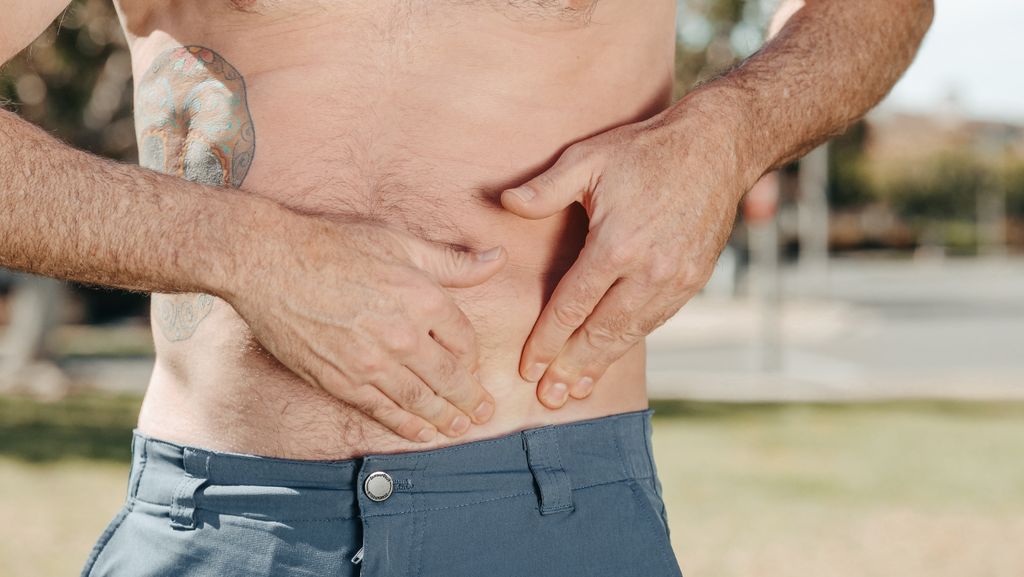
After undergoing revision surgery for recurrent bilateral inguinal hernias, I found myself feeling remarkably fragile. Even after the initial surgical pain had subsided, I remained acutely aware of the repaired areas. Movements that I had previously performed without a second thought suddenly required careful consideration.
Would bending too far cause a problem? Was that pulling sensation normal? Could lifting something relatively light somehow compromise the repair?
These concerns are understandable, particularly after a complicated surgical history. But I’ve come to believe that one of the most important parts of recovery is learning how to distinguish reasonable caution from unnecessary fear.
Now, approximately 16 months after my revision surgery, I’m back to regular strength training and boxing. I’m gradually increasing the weight I use in my workouts, moving more naturally, and beginning to feel confident enough to consider returning to Brazilian Jiu Jitsu.
Getting here required patience, consistency, and a fundamental change in how I approach physical training. Here’s how I rebuilt my strength, mobility, and confidence after hernia surgery.
Feeling Fragile After Hernia Surgery Is Normal
Immediately after hernia surgery, it’s perfectly natural to feel vulnerable. Your body has undergone a significant physical event. Tissues need time to heal, and depending on the type of surgery, you may have mesh, sutures, or other changes to your anatomy.
In my case, revision surgery followed several previous abdominal and inguinal hernia procedures. I was understandably concerned about protecting the repair and avoiding another recurrence. That sense of fragility stayed with me for months.
I paid close attention to every unfamiliar sensation, sometimes wondering whether a particular movement had been too aggressive or whether a little soreness meant something was wrong.
There’s certainly value in listening to your instincts. Pain, discomfort, and unusual sensations can provide useful feedback, particularly during the early stages of recovery. However, there’s also a point at which excessive caution can become counterproductive.
If every unfamiliar sensation leads you to avoid movement, you may inadvertently reinforce the belief that your body is incapable of handling normal physical demands. For me, rebuilding confidence meant gradually accumulating evidence that my body could move, carry weight, and eventually train athletically without compromising the repair.
Importantly, this wasn’t about ignoring symptoms or pushing through pain. It was about learning to interpret my body’s feedback more reasonably while following the guidance of my surgeon and physical therapists.
Walking Was the Foundation of My Recovery
If I had to identify one activity that contributed most to my recovery, it would be walking. I began walking as soon as I was medically cleared and physically able, initially keeping the distances short and the pace comfortable.
Over time, I gradually increased both.
Walking offered several advantages that made it particularly useful during rehabilitation:
- It encouraged circulation and gentle movement without requiring heavy muscular effort.
- It helped restore a more natural walking gait after surgery.
- It allowed me to gradually rebuild cardiovascular endurance.
- It helped reduce the stiffness I experienced after prolonged sitting.
- It provided a manageable way to increase daily physical activity.
- Perhaps most importantly, it helped me regain confidence in my ability to move.
Walking also gave me something constructive to focus on during a period when more demanding exercise wasn’t appropriate. Rather than measuring progress by how much weight I could lift, I could measure it by how comfortably and confidently I could move.
I believe walking should be a central component of rehabilitation for most hernia patients who have been cleared to do it. The appropriate starting point and progression will naturally depend on the individual, the procedure, and the surgeon’s instructions.
Even today, walking remains one of the most important components of my fitness routine.
Relearn the Movements Before Rebuilding the Load
One of the most valuable lessons I learned during rehabilitation was to stop thinking about how quickly I could return to my previous lifting weights. Instead, I focused on relearning how to move.
I used the recovery period as an opportunity to pay closer attention to aspects of exercise technique that are easy to overlook when you’re accustomed to training regularly.
These included:
- Proper breathing and avoiding unnecessary breath-holding.
- Maintaining good posture and spinal alignment.
- Learning to engage my core without excessive bracing.
- Performing movements through comfortable, controlled ranges of motion.
- Improving coordination between my upper body, lower body, and trunk.
- Recognizing when fatigue began to compromise my technique.
I deliberately removed the pressure to lift heavier weights. After all, there would be plenty of time to increase resistance once I was moving confidently and comfortably.
In retrospect, this was an excellent opportunity to refine my technique. By the time I returned to more demanding exercises, I had developed a greater awareness of how my body moved and responded to different loads.
For older martial artists, this approach has benefits that extend well beyond surgical recovery.
Good technique, efficient movement, and appropriate breathing are essential components of training safely and effectively as we age.
Phase One: Walking and Gentle Mobility
My earliest rehabilitation activities were deliberately simple. Alongside walking, I gradually introduced gentle mobility and activation exercises that had been approved or recommended as part of my recovery.
These included:
Cat-cow: Gentle spinal flexion and extension helped me become comfortable moving my back and abdominal region again.
Thread the needle: This movement allowed me to explore gentle thoracic rotation while maintaining control over the range of motion.
Glute bridges: These helped me reintroduce hip extension and engage my glutes without using external weights.
Clamshells: A useful way to activate the muscles around my hips and pelvis with relatively little overall physical demand.
I performed these movements slowly, paying close attention to how they felt. I wasn’t interested in accumulating repetitions or pushing the limits of my mobility. My goal was simply to move comfortably and rebuild coordination.
Eventually, I also began incorporating light rucking using approximately 10 pounds of additional weight. Rucking allowed me to introduce a modest external load while continuing an activity I already found comfortable and enjoyable.
I didn’t rush this transition. Walking without weight came first, and I only added the extra resistance after I was comfortable with my unweighted walking routine and had progressed sufficiently in my recovery.
Phase Two: Reintroducing Bodyweight Exercises
Once I felt comfortable with walking and basic mobility, I began experimenting with modified bodyweight exercises.
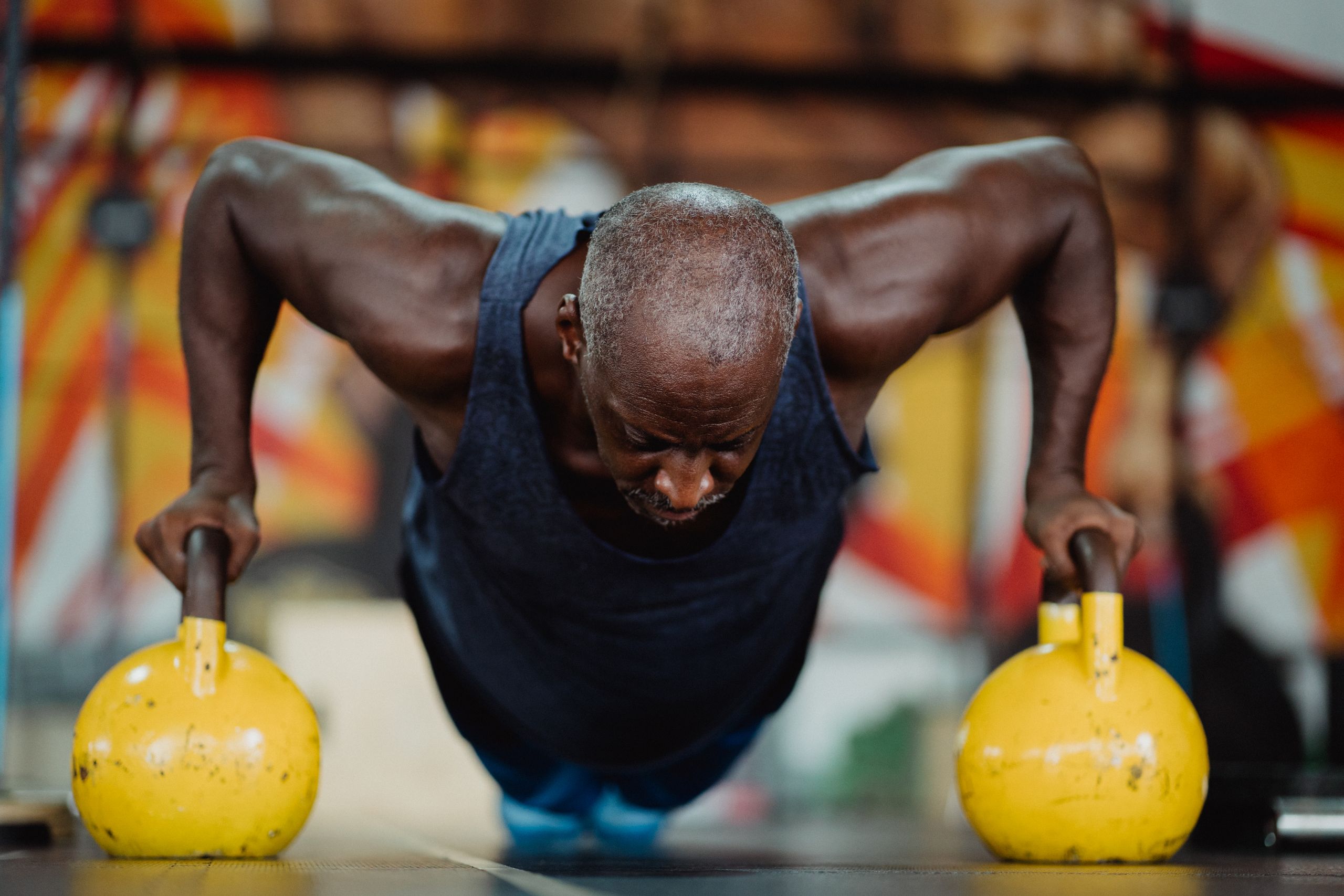
Pushups were a particularly useful example. Rather than immediately returning to conventional floor pushups, I progressed through several easier variations. I started with wall pushups, which allowed me to practice the movement while placing relatively little demand on my abdominal muscles. From there, I progressed to incline pushups using a tabletop. Eventually, I moved to pushups from my knees before returning to conventional pushups. Each variation gave me an opportunity to assess how my body responded before increasing the difficulty.
I took a similar approach with squats. Initially, I kept the movement very shallow. If a deeper squat produced an uncomfortable sensation around the repaired area, I simply reduced the range of motion. As my confidence and comfort improved, I gradually increased the depth.
I also began using resistance bands to revisit major lifting patterns, including rows, presses, and other basic movements. The bands allowed me to practice technique with relatively light resistance while paying attention to breathing, posture, and core engagement.
At this stage, my primary objective wasn’t strength development. It was rebuilding familiarity with movement.
Phase Three: Indian Clubs and Learning to Move Under Light Resistance
When I felt ready to introduce a small amount of external weight, I began using a pair of one-pound Indian clubs. These turned out to be a particularly useful transitional tool.
Indian club exercises involve controlled, flowing movements of the shoulders and arms. Depending on the exercise, they can also require coordinated movement through the upper back and trunk.
The very light weight allowed me to experiment with different movement patterns without the demands associated with heavier resistance training.
I could gradually explore my range of motion, learn to coordinate my breathing, and become more comfortable engaging my core during movement. What I particularly appreciated was that Indian clubs allowed me to move in ways that were less rigid than conventional strength exercises. Rather than simply lifting a weight up and down, I was beginning to reintroduce coordinated, multidirectional movement.
For someone hoping to return to martial arts, that was an important step.
Phase Four: Returning to Kettlebell Training
Kettlebells had been an important part of my strength training before surgery, so returning to them was a significant milestone. However, I had no intention of immediately resuming my previous workouts.
I began with a 15-pound kettlebell and focused on relatively simple movements.
These included:
- Deadlifts
- Bent-over rows
- Light carries
- Other controlled, non-ballistic movements
I kept the sets small and concentrated on maintaining good form.
Initially, I avoided ballistic movements such as swings and cleans. My objective was to become comfortable handling an external load while maintaining control of my breathing, posture, and core engagement. As these exercises became easier, I gradually increased the number of repetitions and sets.
Eventually, I began introducing small sets of kettlebell cleans. These required a greater degree of coordination and a more dynamic engagement of the trunk, so I approached them cautiously.
Rather than attempting to reproduce my old workouts, I treated every progression as an opportunity to learn how my body responded.
Phase Five: Increasing Volume Before Increasing Weight
Perhaps the most important element of my return to strength training was the way I approached progressive overload.
Instead of immediately increasing the weight whenever an exercise felt easier, I first increased the training volume. For example, once I was comfortable performing my kettlebell and bodyweight exercises, I gradually worked toward three or four sets of approximately eight to ten repetitions.
I then continued performing essentially the same workout for several more weeks. I wanted the exercises to feel familiar, controlled, and relatively easy. I also wanted to reach a point where I could complete my workouts without experiencing unusual soreness or unfamiliar sensations around the repaired area.
Only then did I consider increasing the weight. When I did, I reduced the number of repetitions and sets. This gave me an opportunity to become accustomed to the new resistance without simultaneously increasing the total workload.
Over time, I gradually increased the volume again. Once the new weight felt easy and my body was responding well, I repeated the process.
My general progression looked like this:
- Begin with a manageable weight and relatively low volume.
- Gradually increase repetitions and sets while maintaining good technique.
- Continue at the same weight until the workout feels comfortable and repeatable.
- Increase the weight modestly while reducing training volume.
- Gradually rebuild volume at the new weight.
- Repeat the process as comfort, strength, and confidence improve.
This wasn’t a rigid formula or a medically prescribed progression. It was simply the approach that worked for me after receiving clearance to resume strength training. It also helped me avoid the temptation to do too much too soon.
Most importantly, every successful progression reinforced my confidence. I was no longer simply hoping that my repair could tolerate physical activity. I was developing a growing history of comfortably performing increasingly demanding movements.
Boxing Helped Me Learn to Move Athletically Again
Strength training was only part of my recovery.
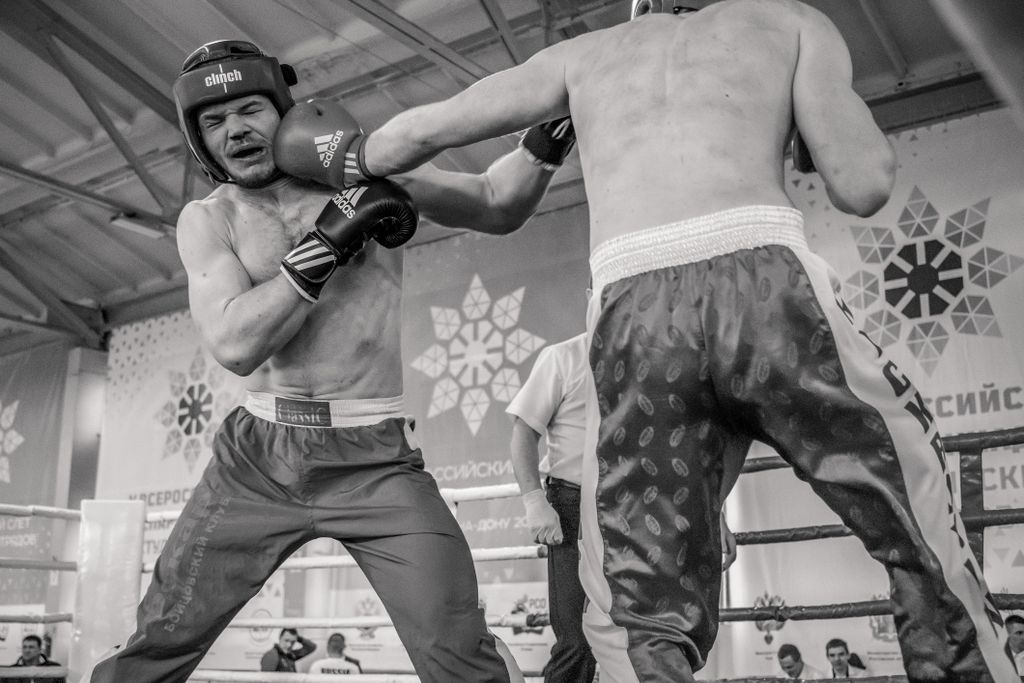
As I progressed, I also began incorporating boxing movements on alternate training days. This introduced an entirely different physical challenge.
Unlike many conventional strength exercises, boxing requires frequent changes in direction, coordinated rotation, balance adjustments, and rapid transitions between movements. Even basic shadowboxing and footwork drills can involve movement patterns that are difficult to reproduce with traditional resistance exercises.
Initially, I focused on controlled movements rather than speed or power. Over time, boxing helped me become more comfortable with the less predictable demands of athletic movement. It also provided an excellent cardiovascular workout and helped me improve my mobility and coordination.
Perhaps most importantly, it gave me a reason to stop thinking about my hernia repair. When you’re concentrating on footwork, combinations, defense, and timing, your attention naturally shifts away from monitoring every sensation in your abdomen.
Today, I can train boxing without constantly worrying about my surgical repair. That represents an enormous psychological milestone. I’ve also learned that boxing training can be an excellent core workout that can benefit the longterm strength of a hernia repair. While I stay way from high volume sit-ups and crunches, I’ve found many other excellent core exercises that are a great complement to my recovery.
Of course, returning to a combat sport requires individual medical clearance, and activities involving contact, impact, or aggressive rotation may require additional precautions.
Movement Still Helps Me Manage Tightness and Discomfort
Even after making substantial progress, I occasionally experience tightness or mild soreness around the repaired areas. I’ve noticed that these sensations are often more pronounced after prolonged periods of sitting.
When I’m sedentary for too long, the area can feel somewhat tight or inflexible. My hip flexors also tend to tighten, which can contribute to an overall sense of discomfort around my hips and pelvis.
For me, movement is usually helpful. Walking, gentle mobility exercises, and occasional light rucking often make the area feel more comfortable. I’ve also found that gentle massage and occasional heat can help relieve the sensation of tightness.
I try to incorporate movement throughout the day rather than relying exclusively on my scheduled workouts. Sometimes that means taking a short walk. Other times, it might involve a few minutes of gentle mobility work. I also try to intersperse movement snacks throughout the day in the form of spreading sets throughout the day to “grease the groove”, as Pavel Tsatsouline describes in his Simple & Sinister program.
I’ve come to accept that after several abdominal surgeries, my body may not always feel exactly as it did before. That doesn’t necessarily mean something is wrong.
At the same time, persistent, worsening, or new symptoms deserve medical evaluation rather than being automatically attributed to scar tissue or normal postoperative changes.
Learning to Leave My Ego Out of the Gym
One of the biggest changes in my training philosophy has been learning to prioritize long-term consistency over short-term performance.
Earlier in my life, I was much more inclined to push myself aggressively. I wanted to lift heavier weights, perform more repetitions, and continually challenge my physical limits.
There’s nothing inherently wrong with pursuing ambitious athletic goals. However, at this stage of my life, my priorities have changed.
I’m no longer interested in ego lifting. If I reach the end of a set and feel tempted to squeeze out one more repetition, I remind myself that the additional rep probably isn’t going to make a meaningful difference in my long-term progress.
On the other hand, an unnecessary injury could interfere with my training for weeks or months. I’d much rather finish a workout feeling that I could have done a little more than push myself beyond what was necessary.
I also prioritize recovery, daily movement, and maintaining a sustainable training schedule. My goal isn’t to prove that I can still train like I did twenty years ago. It’s to remain strong, mobile, capable, and physically active for as many years as possible.
Interestingly, removing the pressure to constantly improve my performance has made training more enjoyable. I now box and lift weights primarily because I love doing them.
The physical and mental health benefits are tremendous, but the activities themselves have become their own reward.
Sixteen Months Later: Stronger, More Confident, and Looking Ahead
Approximately 16 months after my revision hernia surgery, I’m feeling more confident in my body all the time.
I’m performing regular strength workouts, gradually increasing my kettlebell weights, and training boxing without constantly thinking about the repair. I’m even beginning to feel that returning to Brazilian Jiu Jitsu might eventually be realistic.
That would have seemed like a distant possibility during the months immediately following surgery, when I felt so fragile.
Looking back, I don’t believe there was any single exercise or rehabilitation technique responsible for my progress. Rather, it was the cumulative effect of hundreds of small, deliberate steps.
Walking a little farther, moving a little more comfortably, performing another set with good technique, introducing a slightly heavier weight, or discovering that a movement I had previously feared was now something I could perform without hesitation.
Each of these experiences helped rebuild my confidence.
And perhaps that’s the most important lesson I’ve learned from this entire process.
Recovering from hernia surgery isn’t simply about restoring physical strength. It’s also about restoring trust in your body.
That trust doesn’t have to come from pushing yourself to the limit. Sometimes, it comes from doing a little less than you’re capable of, repeating it consistently, and allowing your body the time it needs to adapt.
For those of us who intend to remain physically active well into our later years, that’s a philosophy worth embracing long after surgical recovery is complete.
Disclaimer: This article describes my personal experience recovering from revision inguinal hernia surgery. It is not medical advice or a rehabilitation protocol. Recovery timelines, exercise restrictions, and appropriate progressions vary depending on the procedure, medical history, and individual circumstances. Always follow the recommendations of your surgeon and physical therapist before returning to exercise, resistance training, or contact sports.