When I first returned to combat sports, I made the same mistake that I think many athletes over 50 make. I focused almost entirely on training. Learning how to prioritize recovery for athletes over 50 has been one of the biggest factors in allowing me to continue training consistently.
I wanted to improve my boxing, build strength, lose body fat, sharpen my footwork, and get back into the best shape possible. Recovery often felt like something I could fit in whenever I had time.
The problem is that when you train alongside athletes who are twenty or thirty years younger, it’s easy to forget that your body doesn’t recover the same way theirs does. Younger athletes can often pile on hard sessions day after day and bounce back remarkably quickly. At our age, trying to imitate that approach usually catches up with us sooner or later.
One of the biggest lessons I’ve learned is that recovery deserves just as much planning and discipline as training itself.
Recovery Is Part of the Program
It’s tempting to think that the hours spent in the gym are where progress happens. They’re not. Training provides the stimulus, but recovery is when your body actually adapts.
If you’re constantly fatigued, sore, or dealing with nagging aches, adding more training usually isn’t the answer. More often than not, the answer is recovering better.
Find Your Sweet Spot
One of the hardest things to accept is that more isn’t always better. Every athlete has a different recovery capacity, and that capacity changes with age, work, family responsibilities, stress, and sleep. For me, I’ve learned that there is a sweet spot.
Too few training sessions and I don’t improve. Too many sessions and my performance starts going backwards because I’m never fully recovered.
Finding that balance takes experimentation and honesty with yourself. Don’t judge your progress by how many days someone else trains each week. Judge it by how consistently you can train well over the long term. Remember that consistency always beats volume and intensity.
Prioritize Your Sport
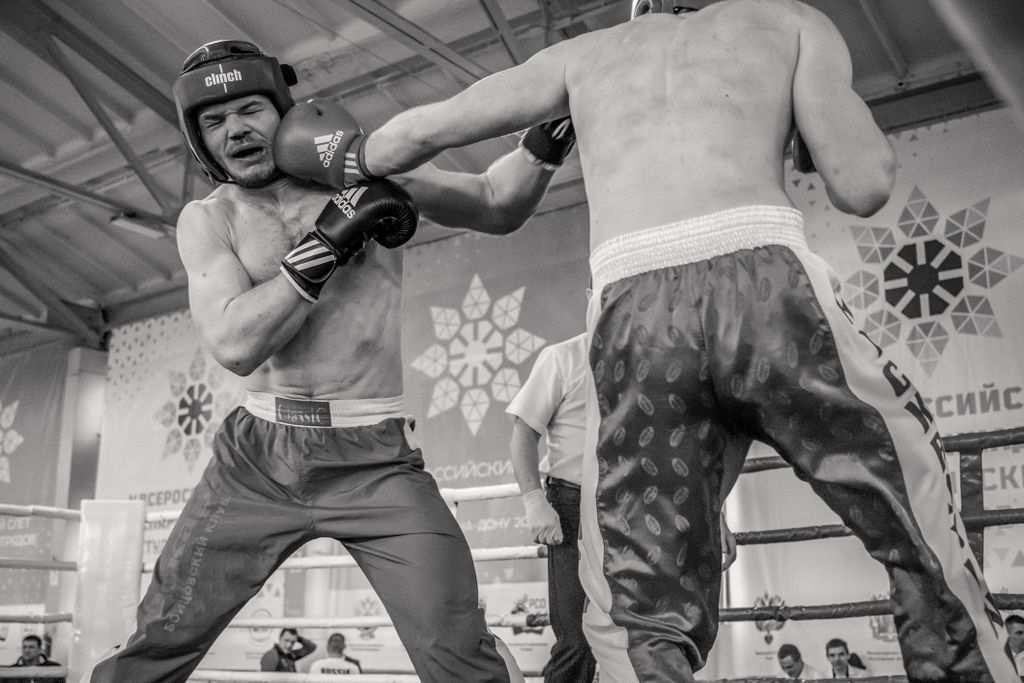
This was another lesson that took me a while to learn. If your primary goal is boxing, Brazilian Jiu-Jitsu, Muay Thai, judo, or another combat sport, then that sport should receive your best energy. Strength and conditioning should support your combat sports training, not compete with it.
I still strength train several days each week, but I no longer view those workouts as separate athletic goals. They’re there to improve my durability, maintain muscle, reduce injury risk, and help me perform better when I box.
That means choosing an appropriate volume and intensity instead of trying to set personal records every week in the weight room.
Mobility Is a Daily Habit
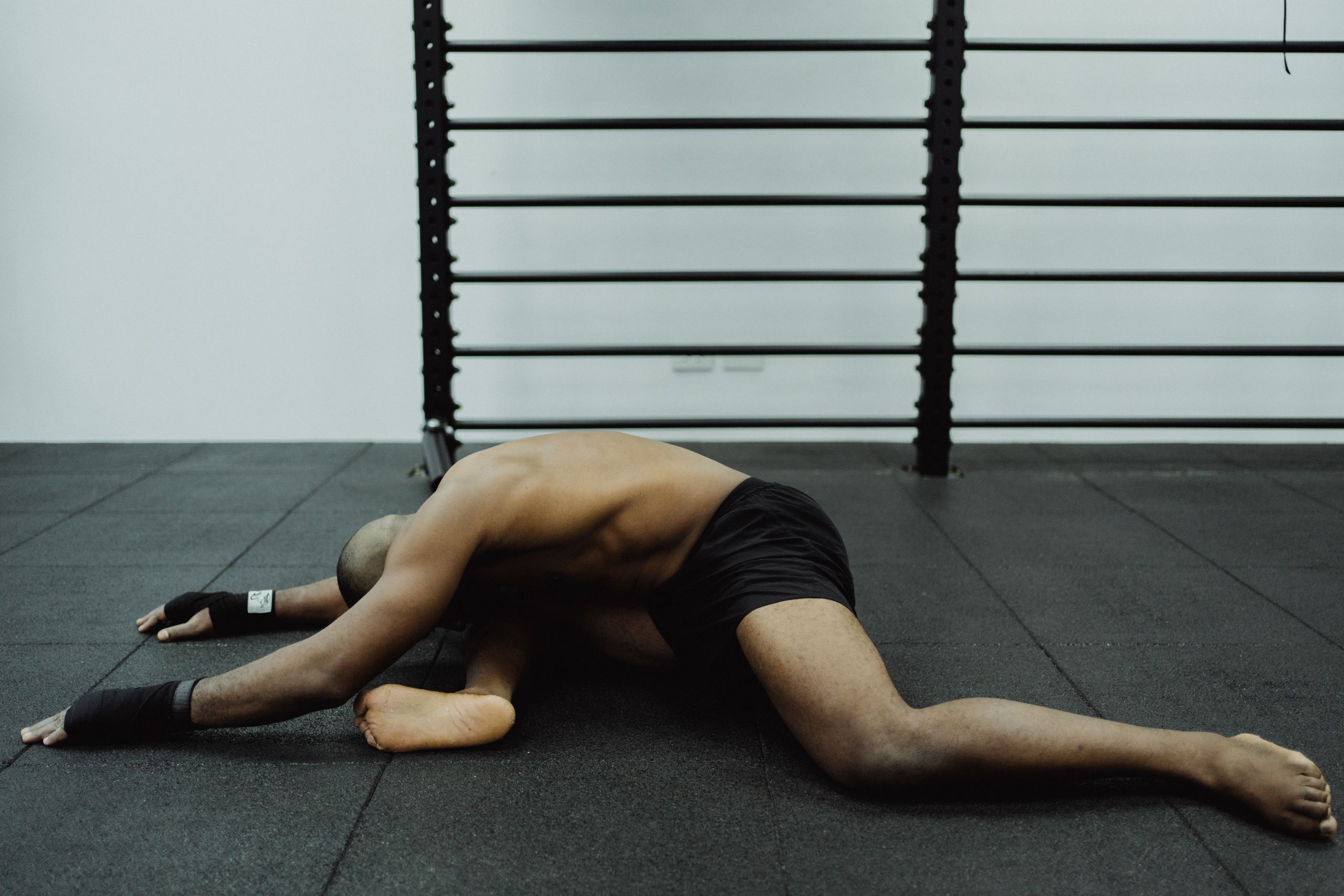
One of the best investments I’ve made is daily stretching and mobility work. I spend a few minutes every morning loosening up before the day even begins. I also perform mobility exercises before every workout, and if something feels particularly tight after training, I’ll spend a few minutes working on it again before bed. I also do some light calisthenics in the morning to warm up and stimulate the muscles.
These sessions aren’t glamorous. They’re often only ten or fifteen minutes, but they’ve become one of the most valuable parts of my routine.
Warm Up Before Class Starts
I’ve noticed that many combat sports classes have relatively short warmups that don’t always adequately address the needs of older athletes. That’s usually fine for younger athletes, but for those of us over 50, it often isn’t enough.
I’ve found it helpful to arrive early so I can perform my own warmup before class begins. Getting my hips, shoulders, core, and heart rate ready before the official warmup starts allows me to move much better once training begins.
The same goes for cooling down afterward. A few minutes of easy movement and stretching can make a noticeable difference in how I feel the following day.
Sleep Is Non-Negotiable
No recovery strategy can make up for inadequate sleep.
I aim for seven to eight hours each night whenever possible. When training volume is particularly high, I don’t hesitate to take a short nap during the day if my schedule allows.
Good sleep improves recovery, athletic performance, mental sharpness, and overall health.
Nutrition Matters Every Day
I’ve become convinced that nutrition is one of the biggest competitive advantages available to masters athletes.
I focus on eating enough protein to support recovery while maintaining a balanced intake of carbohydrates and healthy fats to fuel training and overall health.
My goal isn’t a perfect diet. Instead, it’s a consistent one. The better I eat, the better I recover.
Creatine Has Earned a Permanent Place
One supplement that has become a permanent part of my routine is creatine monohydrate.
Beyond its well-known benefits for strength and power, there’s good evidence that creatine supports recovery and may even offer cognitive benefits as we age. For me, it’s one of the simplest and most worthwhile supplements I take.
Listen to Your Body
One of the hardest habits to develop is giving yourself permission to back off. Sometimes the smartest decision isn’t pushing through another hard workout.
Sometimes it’s reducing the intensity, sometimes it’s cutting the workout short, and sometimes it’s simply taking the day off.
I’ve learned that missing one workout almost never hurts my progress. Training through fatigue or an overuse injury often does.
Hydration Is Easy to Overlook
Recovery also depends on staying hydrated. I make a conscious effort to drink water throughout the day, especially around training sessions, and I pay attention to replacing electrolytes when sweating heavily.
Even mild dehydration can affect performance and recovery more than most people realize. While eight glasses of water per day may be sufficient for the general public, for older combat sports athletes who also strength train, it can often be necessary to drink as much as 100oz or more per day. It’s important to drink water regularly throughout the day rather than waiting for signs of dehydration in order to prevent cramping, headaches, or fatigue, and to ensure that the body stays lubricated.
Schedule Recovery on Purpose
One habit I’ve added that has made a real difference is scheduling at least one active recovery day every week.
That doesn’t mean sitting on the couch all day. It usually means something gentle like walking, an easy bike ride, or light mobility work. A great recovery option can also involve reconnecting with your partner. I’ve had many fantastic recovery days that entailed bringing my wife to visit one of the many beautiful Gilded Age mansions nearby on Long Island, where we’ll spend the afternoon walking the grounds, exploring the interior, and strolling through the outdoor gardens. It’s relaxing, involves gentle but constant movement, and is restorative physically and emotionally while being fantastic for our relationship.
The goal is simply to keep moving while giving the body a chance to recover.
Final Thoughts
The older I get, the more I realize that successful training isn’t about seeing how much work I can survive. It’s about showing up consistently, year after year.
Recovery isn’t something that gets in the way of training. On the contrary, recovery is training.
If you’re over 50 and want to continue enjoying combat sports for decades to come, learning how to recover well may be one of the most valuable skills you’ll ever develop.