When most people think about returning to combat sports after an injury or surgery, they focus on the physical side of recovery. They think about mobility, strength, conditioning, rehab exercises, and whether the body is “ready.” But in my experience, the hardest part of returning to training isn’t so much physical as it is mental. After dealing with multiple hernia surgeries and a recurrence, I realized something that many injured athletes quietly struggle with but rarely talk about openly:
Once you’ve experienced a serious injury, it can become very difficult to trust your body again.
Even after a surgeon clears you to train, after imaging looks good, after you’ve rebuilt strength, and after months have passed, the fear can still be there. For combat sport athletes, that fear is complicated because our sports require us to constantly place ourselves in uncomfortable positions. We twist, brace, scramble, rotate explosively, absorb force, and sometimes put our bodies into awkward positions voluntarily, not to mention the unpredictable and dynamic nature of combat sport.
That’s very different from returning to something predictable like jogging on a treadmill. In combat sports, uncertainty is part of the game.
The Hyperawareness Phase
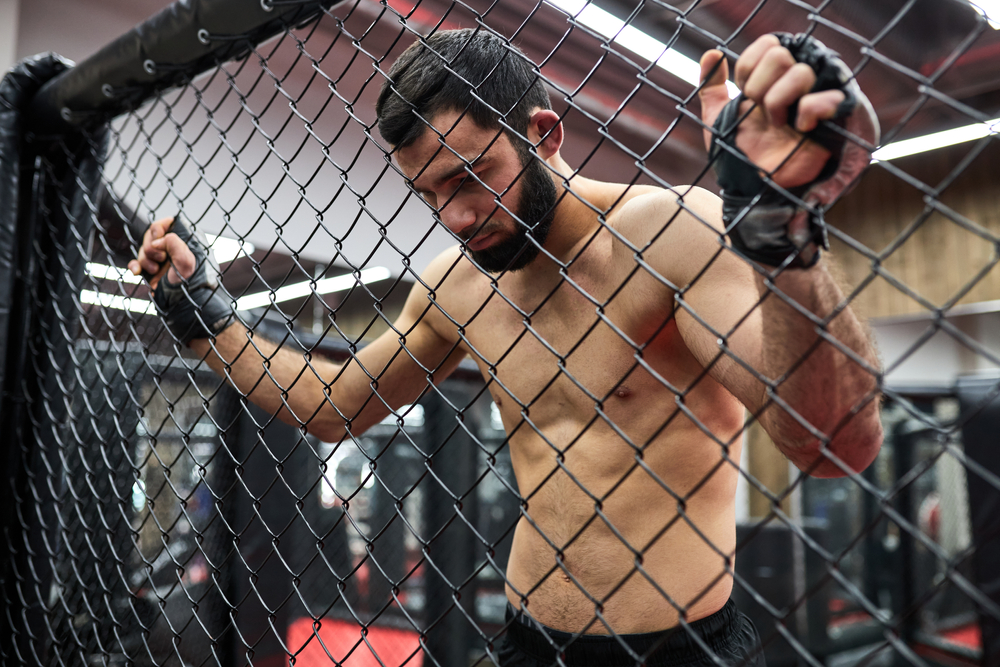
One thing I’ve learned is that after surgery or a major injury, many athletes become hyperaware of every sensation in their body, myself included. A small pull suddenly feels alarming, normal soreness can trigger anxiety, scar tissue tightness feels suspicious, and muscle tension can start to feel catastrophic.
It’s very easy to begin mentally scanning your body all day long looking for signs that something might be wrong. I’ve experienced this myself. While these feelings have been diminishing significantly, after undergoing surgery for a hernia recurrence that was preceded by an extended period during which every single doctor misdiagnosed my recurrence symptoms until they had evolved so far that they were impossible to deny, I’ve had an extremely difficult time learning to trust my body again.
Sometimes after a hard training session, a long walk, strength work, or even an unusually active day, I’ll feel pressure, soreness, tightness, or strange sensations around the surgical area. Earlier in my recovery, every single one of those sensations felt emotionally loaded and my mind immediately raced to worst-case scenarios. But over time, I started noticing patterns.
The discomfort would usually calm down, the sensations often followed periods of increased activity or extended periods of being sedentary. Also, heat, mobility work, walking, massage, or recovery work would always improve things. My body was adapting.
I gradually realized that healing tissues, scar tissue, nerves, muscles, fascia, and surrounding structures can all create sensations that do not necessarily mean damage. That distinction is incredibly important, and it took me a long time to trust the process.
The Difference Between Discomfort and Damage
This may be one of the hardest lessons for athletes to learn after an injury. Not every sensation means something is wrong. Once you’ve gone through a major injury, your nervous system becomes protective and hypervigilant. In some ways, it’s trying to help you survive by keeping you alert to potential danger. But sometimes that alarm system becomes overly sensitive.
That doesn’t mean the sensations are imaginary. They’re definitely quite real. But it does mean that soreness, tightness, pulling, fatigue, nerve irritation, scar tissue sensitivity, and muscular compensation can all exist without structural failure. Understanding that has helped me tremendously during recovery.
Especially because combat athletes tend to have a high pain tolerance and often push through discomfort for years before finally addressing injuries. Once something serious happens, the pendulum can swing the opposite direction and create fear around normal physical sensations.
Finding a healthy middle ground is part of the process.
Why I’ve Been Focusing on Boxing
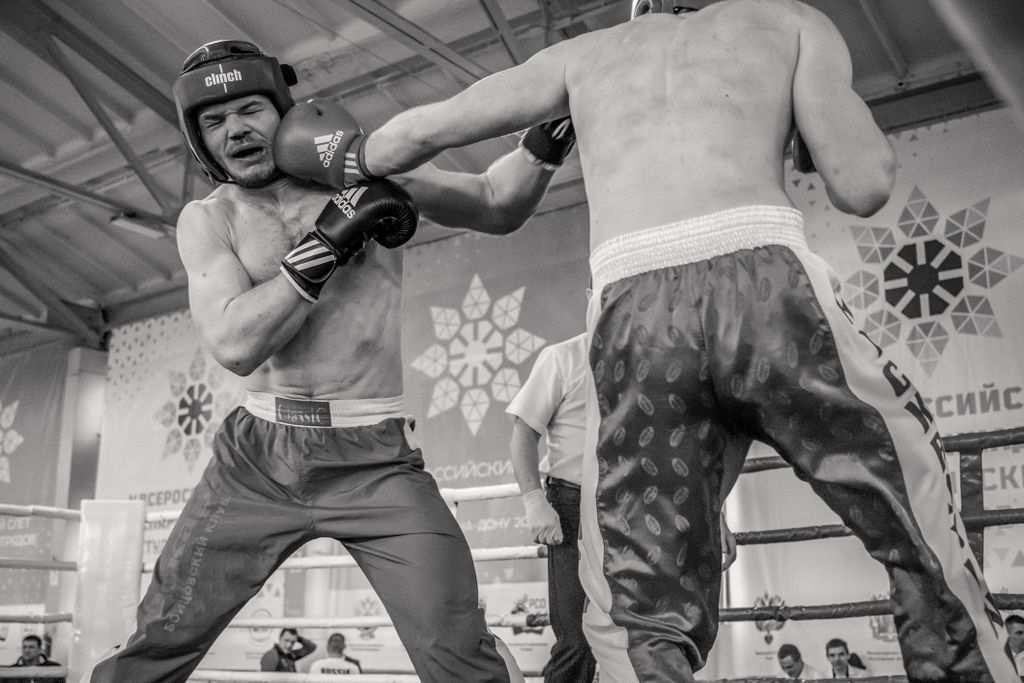
One reason I’ve leaned more heavily into boxing recently is because it gives me a way to continue training, improving, and challenging myself while controlling risk more carefully. With boxing, I can focus on footwork, defense, timing, conditioning, technique, rhythm, breathing, and light technical sparring without immediately putting myself into the chaotic scrambles and rotational pressure that can happen during hard rounds of BJJ. That doesn’t mean I’ll never return to BJJ, but I’ve realized that recovery isn’t always binary. You don’t have to choose between going full intensity immediately or quitting forever.
When it comes to recovery, there’s a middle path. You can rebuild gradually. You can modify, and you can train intelligently. You can become more selective about training partners and intensity. And most importantly, you can prioritize longevity over ego.
For older athletes especially, that mindset matters.
Learning to Train for Longevity
One thing age has taught me is that longevity requires emotional discipline as much as physical discipline. When we’re younger, many of us train emotionally. It’s tempting to try to prove ourselves, to push through fatigue, or to ignore warning signs. Recovering from injury or surgery doesn’t mean that we’re weak even though we may feel like we’re weak at the time.
But eventually in life, the body forces us to become more strategic. Ironically, I think many older athletes become better martial artists because of this. Older combat sport athletes often become more technical, more efficient, more patient, more aware, and more intentional. The goal changes from “winning every round” to continuing to train for decades, which is a much healthier mindset.
A wise coach once offered me some words of wisdom:
“You need to be as disciplined about your recovery as you are with your training.”
The Psychological Side of Recovery Takes Longer Than Most People Expect
This is probably the biggest thing I wish more injured athletes understood. Physical healing and psychological healing are not always synchronized. You may be medically cleared but still mentally hesitant, physically strong but emotionally cautious, and you may still need time to rebuild trust in your body. It’s important to remember that this is completely normal, especially if you’ve already experienced a recurrence or a serious setback before.
I’m now nearly one year post-op following surgery for my hernia recurrence, and I still go through periods during which I find myself being overly cautious or being terrified that I’ve damaged the repair, only to discover that I’m just experiencing some muscle soreness. I’ve heard the same story from teammates who have undergone other surgeries as well.
I think many athletes quietly carry some degree of fear after major injuries. They just don’t talk about it openly because combat sports culture tends to reward toughness and confidence, but there’s nothing weak about being thoughtful after going through something difficult. In many cases, it simply means you understand the stakes more clearly now.
I’ve been quite open with my coaches at Eastern Queens Boxing Club about my recovery from surgery and without exception, they’ve been incredibly supportive and accommodating.
Final Thoughts
These days, my goal isn’t to train recklessly. Instead, it’s to stay healthy enough to continue training, moving, learning, and enjoying combat sports for the rest of my life. This mindset has changed how I approach all aspects of training and recovery. Ironically, I think injury forced me to become smarter with my training. While I wouldn’t wish setbacks or surgery on anyone, I do think there’s value in learning how to rebuild yourself carefully, patiently, and intelligently afterward.
For many athletes, the hardest part of recovery isn’t rebuilding strength. It’s rebuilding trust. And that process takes time. For me, the answer has been gradual, controlled, and deliberately paced reintroduction of athletic activity, relearning movement and breathing patterns, prioritizing rest and recovery, and advocating for my needs through modifying or substituting movements, adjusting my training schedule appropriately, or simply informing my coaches of where my body is at on any particular day. Over time, you’ll gather more and more evidence that your body is strong, resilient, and ready for the demands of your chosen combat sport.