If you’re reading this because you’re approaching your own return to sport after hernia surgery, there’s one thing I wish someone had told me from the beginning: There was never a magical day when everything suddenly felt normal again. No moment where I woke up and thought, “That’s it. I’m completely healed.”
Instead, recovery has been a slow, uneven, and often frustrating process measured over months, not days or weeks. Looking back now, one year after surgery, I can confidently say that I’m in a much better place, but it happened so gradually that I often didn’t notice the progress until I looked back.
Recovery Wasn’t Linear
There were weeks when I felt fantastic, followed by a random twinge or strange sensation that made me question everything. Some days I’d notice tightness and other days a pulling sensation. Occasionally there would be pressure somewhere around the repair or into the hip area.
The surprising part wasn’t that these sensations happened. Instead, I was more surprised by how often they didn’t actually mean anything was wrong. As someone who had already experienced a recurrence in the past, it’s easy to become hyper-aware of every sensation in the area. Every unfamiliar feeling can send your mind racing. Over time, though, I slowly learned that healing tissue has its own language, pace, and trajectory.
Even One Year Later, It Doesn’t Feel “Normal”
One of the biggest surprises is that even now, a year after surgery, I still occasionally notice odd sensations. They’re usually brief, they’re often difficult to pinpoint. Sometimes they’re related to position, activity level, or simply stiffness after sitting too long.
The important thing is that they have become less significant, less frequent, and much less emotionally charged. I’ve gradually come to accept that the area may never feel exactly the way it did before multiple surgeries.
Success Isn’t Measured By Perfect Sensations
For a long time, I subconsciously judged recovery by asking one question: “Does everything feel exactly like it used to?”
I’ve come to think that’s the wrong standard. A better measure of success is: Can I live my life? Can I exercise? Can I train? Can I pick things up, travel, walk for miles, and participate in the sports I enjoy? Can I function without constantly thinking about my repair?
For me, that’s what success looks like. Perfect sensation may never come. Functional recovery absolutely can.
Learning To Trust The Repair Again
The physical recovery has been important, but the psychological recovery may have been even harder. After experiencing recurrence once before, it’s difficult not to wonder whether every movement might somehow damage the repair.
For months I questioned almost everything. Should I lift this? Should I rotate that way? Did I overdo today’s workout? Is this soreness normal? Little by little, those fears have faded. Not because I forced myself to ignore them, but because repeated experience showed me that my body was stronger than I believed.
Each successful workout built confidence. Each uneventful walk, lift, or training session made it a little easier to trust the repair instead of fearing it. Today, I still use common sense and avoid unnecessary risks, but I’m no longer living in constant fear of breaking myself.
Why Boxing Turned Out To Be The Right Decision
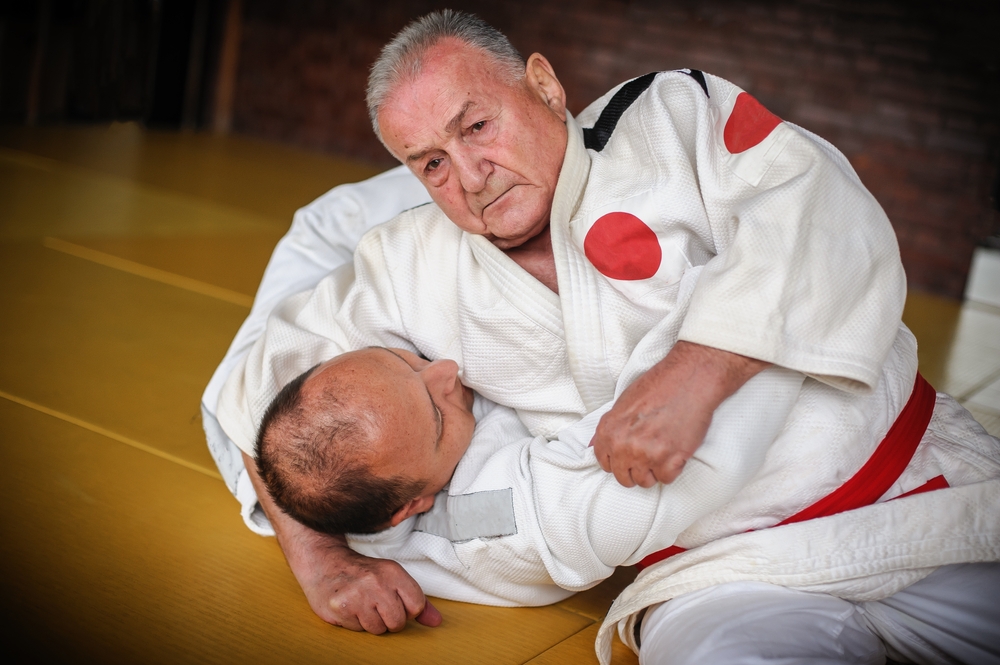
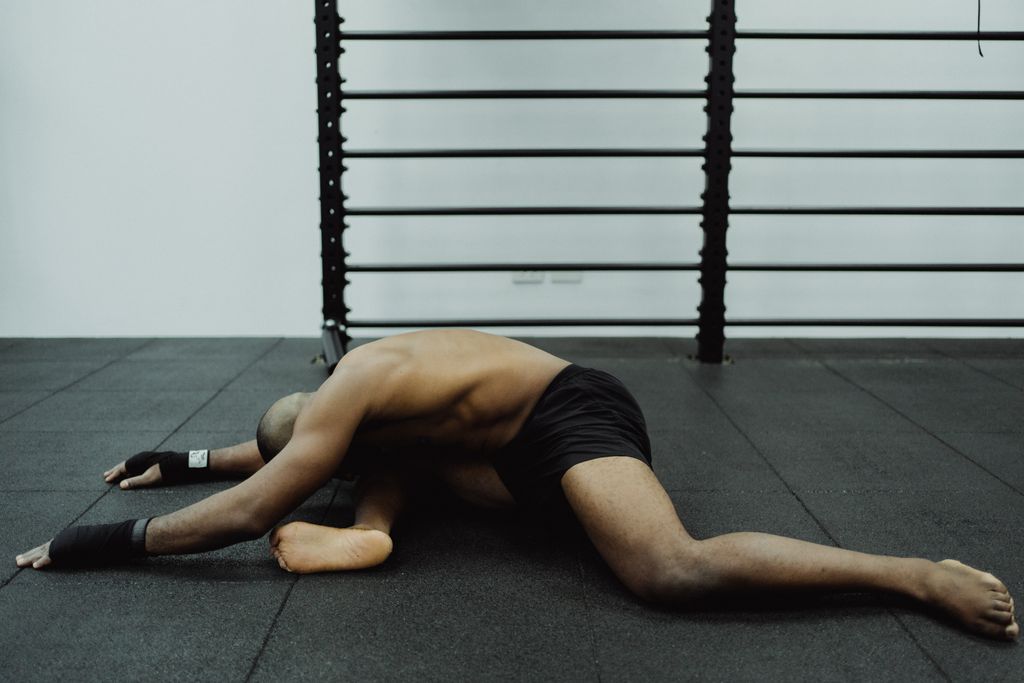
One of the best decisions I’ve made has been easing back into sport through boxing rather than jumping immediately back into grappling. For me, boxing offers something incredibly valuable: control. I can control the pace and the intensity.
I can spend an entire session working on footwork, movement, defense, or technique without putting myself into situations where someone else dictates the forces being applied to my body. That ability to gradually increase intensity has helped me rebuild both physical capacity and confidence.
Everyone’s sport is different, but finding a way to return that allows you to control the variables can be incredibly valuable.
Recovery Doesn’t End At One Year
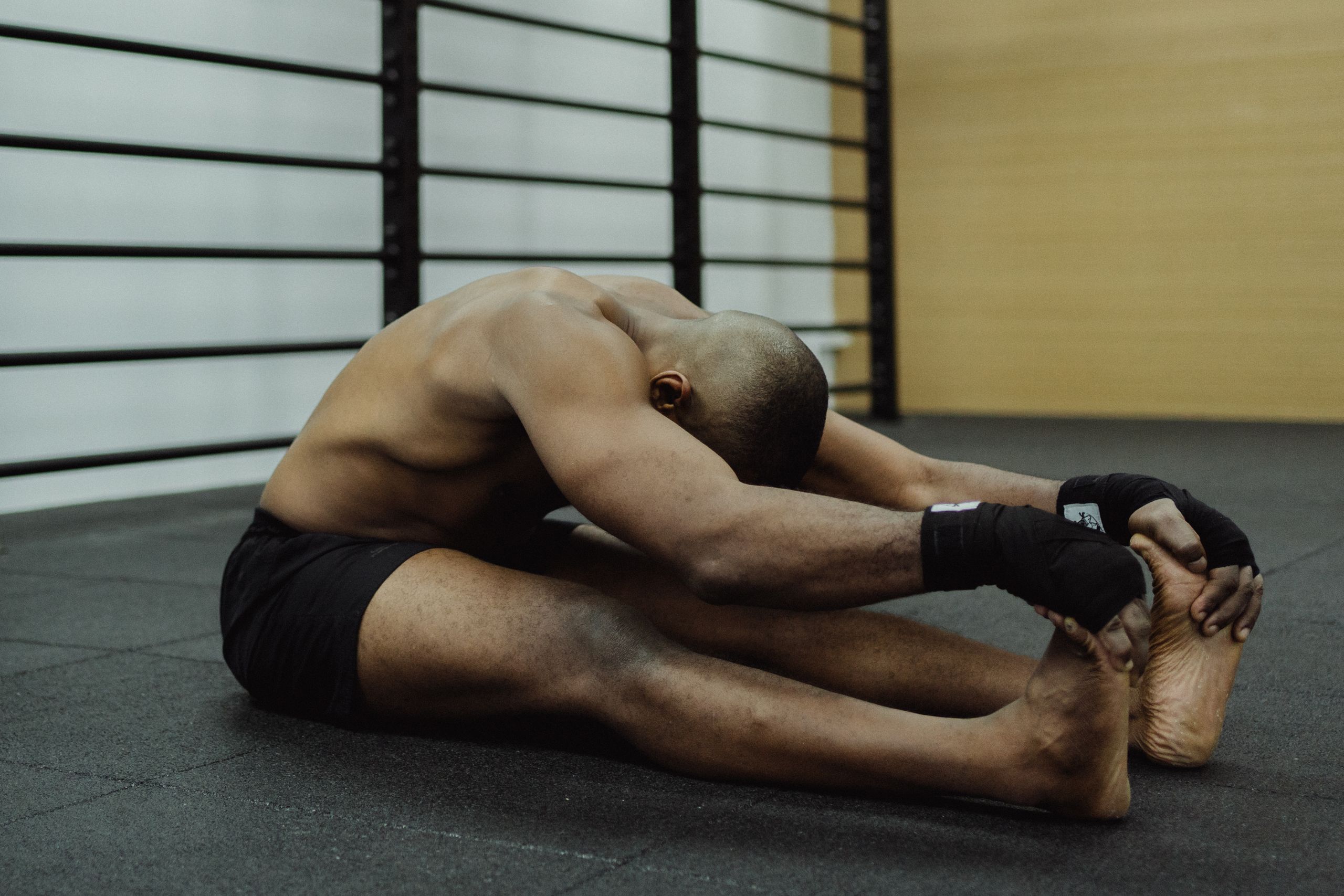
If there’s one lasting lesson I’ve taken from this experience, it’s that maintenance isn’t temporary. I expect to continue prioritizing core strength, mobility work, hip flexor strength, and flexibility for the foreseeable future. Not because I’m injured, but because I want to stay healthy.
The same goes for nutrition, maintaining a healthy body weight, paying attention to recovery, and being thoughtful about training volume and intensity.
These aren’t restrictions anymore. They’re simply part of the lifestyle that allows me to continue doing the activities I love.
My Biggest Lesson
If I could go back and tell myself one thing after surgery, it would be this: Don’t wait for perfect, and don’t expect a finish line where every sensation disappears forever. Instead, pay attention to what you can do today that you couldn’t do three months ago.
Notice the confidence returning and the fear fading. Notice yourself living your life again instead of constantly evaluating your body.
For me, one year after surgery, that’s what recovery really looks like. It’s taken a lot of time to learn to trust my body again, but gradual increased exposure to athletic activity, especially under the guidance of a physical therapist, combined with my ongoing strength training and boxing work have been instrumental in restoring confidence and learning to embrace my identity as a combat sports athlete once again.