If you’re a boxer, BJJ practitioner, or martial artist over 50, you’ve probably realized that recovery becomes increasingly important with age. While younger athletes can often get away with poor nutrition, older combat sports athletes need a sustainable nutrition strategy that supports training, recovery, and healthy aging. This article outlines the simple system I’ve used to maintain a healthy weight, recover from boxing training, and stay active in my mid-50s.
Keep It Simple
One of the biggest mistakes I see people make is trying to overhaul their entire diet overnight to follow whatever the latest trend is. In my experience, consistency matters far more than complexity. I rely on a handful of meals that I enjoy and can prepare quickly. Once I found foods that fit my goals and my schedule, healthy eating became much easier.
I don’t spend my Sundays preparing dozens of complicated meals. Instead, I have a simple system that allows me to prepare several days of food with minimal effort in a short amount of time.
My Typical Breakfast
Most mornings begin with a bowl of nonfat Greek yogurt mixed with frozen blueberries, pistachios, and a small amount of honey. It’s quick, requires almost no preparation, and provides a good combination of protein, carbohydrates, and healthy fats.
I also drink a large glass of water mixed with creatine. After that comes coffee, usually with collagen peptides stirred in. It’s a simple breakfast that I enjoy and can prepare in just a few minutes.
My Lunch Formula
Lunch is usually built around three components:
Protein
I always include an animal protein such as chicken breast, chicken thighs, salmon, or ground beef patties. All four options offer go a long way toward helping me meet my protein goals, provide a lot of satiety, are cost effective, and incredibly easy to prepare.
Vegetables
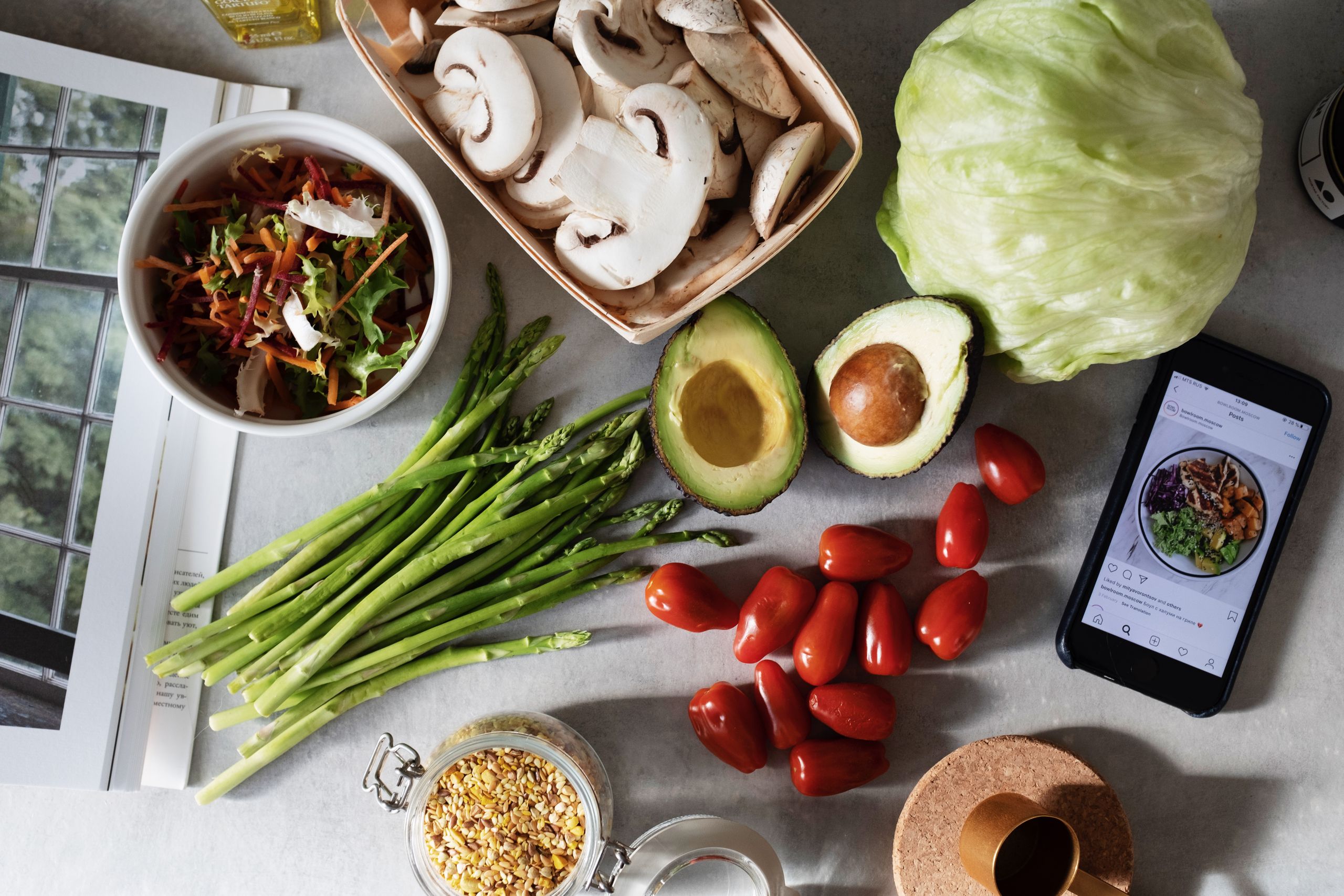
My vegetable choice is usually something simple and nutritious such as broccoli or sautéed spinach. These are both incredibly easy to prepare, provide a lot of fiber and nutrition, and are extremely cost-effective.
Carbohydrates
For carbohydrates, I generally choose a Japanese sweet potato, quinoa, or white rice. While I find white rice to be the most satisfying and enjoyable of the three options, it’s also the most calorie dense, so I only include it once in a while as a treat.
I don’t spend much time trying to create endless variety. Instead, I rotate among foods that I enjoy and that support my training and recovery.
Dinner Is Usually More of the Same
Dinner often looks very similar to lunch. There is usually another serving of lean animal protein such as chicken or ground beef, along with vegetables and/or occasionally some additional carbohydrates depending on my activity level. I find that this is a great time to top off my protein levels at the end of the day. If I find myself having dinner too late, I’ll skip the carbohydrates and even the vegetables too in favor of the protein. It also has the benefit of keeping me feeling satisfied, which eliminates the temptation to snack late at night. I should mention that I try to have this meal prior to 7pm in order to avoid eating too late. I’m unusually having breakfast between 6:30 and 7am, so having dinner by 7pm or earlier allows for a 12 hour fasting window.
Some people may find this repetitive, but I’ve found that simplicity makes consistency easier. When healthy eating becomes automatic, decision fatigue disappears.
My Go-To Snacks
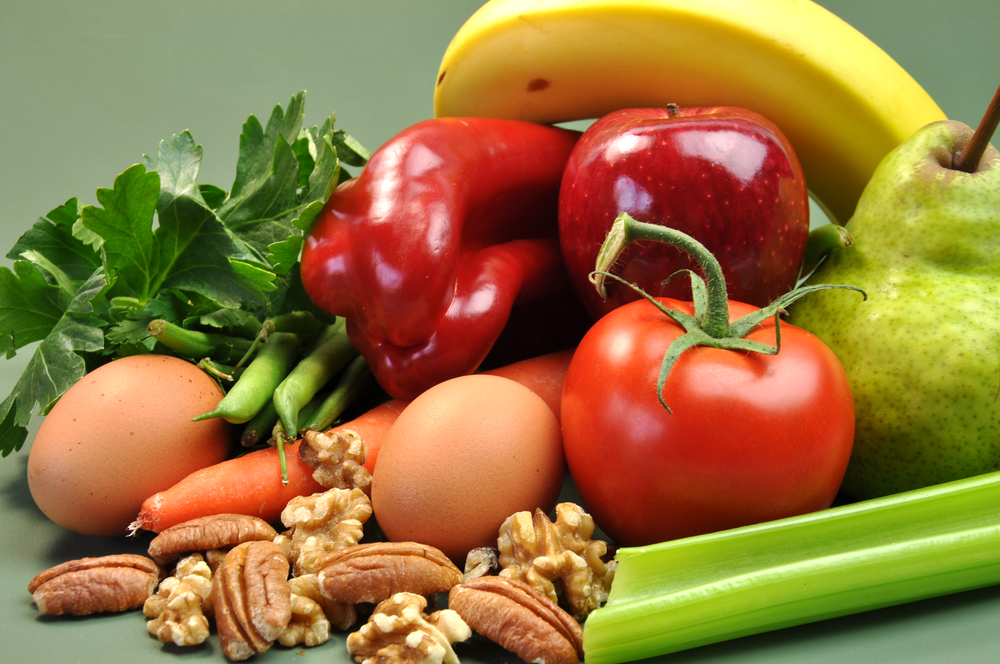
I like keeping healthy snacks available throughout the day. Some of my favorites include almonds, dates, hard-boiled egg whites, apples, bananas, and mandarin oranges. These foods travel well, require little preparation, and help keep me from reaching for less nutritious options when hunger strikes.
I also enjoy one or two small pieces of dark chocolate most days. However, the key here is portion control. I don’t snack endlessly on almonds and instead, measure them out precisely so that I can easily track my nutrition intake. With snacks such as almonds, dates, and dark chocolate, a healthy snack can easily turn into caloric overload if portions aren’t carefully monitored.
Protein Is a Priority
One of my primary nutrition goals is getting enough protein. I generally aim for approximately 1.5 to 2 grams of protein per kilogram of body weight each day.
As we age, maintaining muscle mass becomes increasingly important. Adequate protein supports recovery, helps preserve lean body mass, and contributes to overall health.
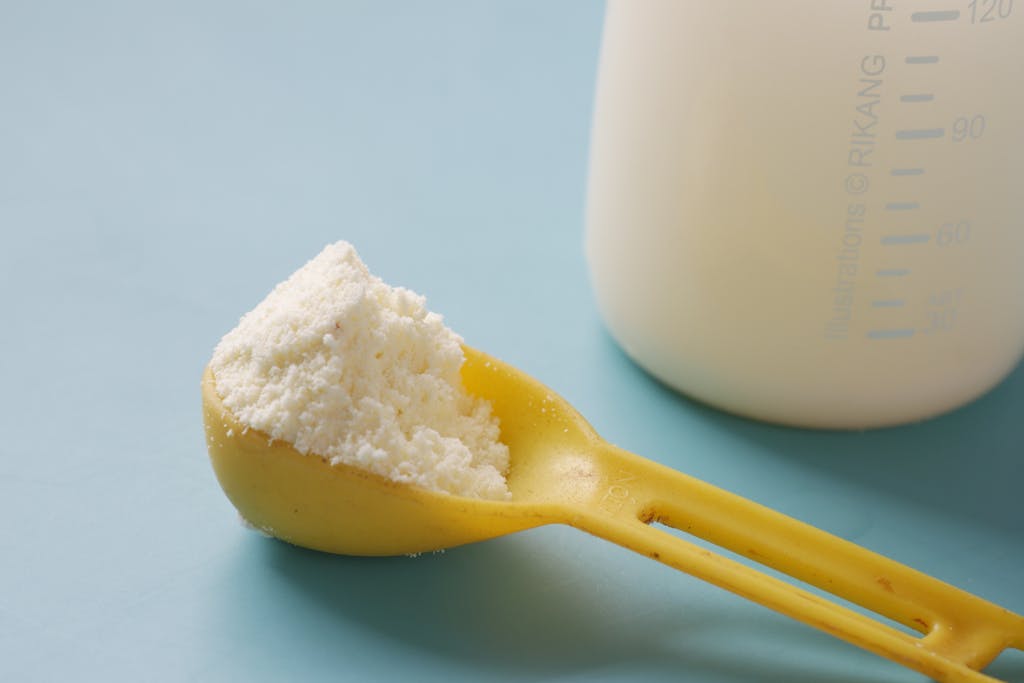
I prefer to get most of my protein from whole food sources. While I do keep protein powder available, I usually only use it when I’m struggling to reach my daily protein target through food alone.
I Track What I Eat
One habit that has made a significant difference for me is tracking my food intake. I record everything in MyFitnessPal. While MyFitnessPal is a fantastic app that I find to be very easy to use, there are a multitude of over applications that will help you to achieve the same goal, and even just recording in your note app of choice can work. What I like about using a dedicated nutrition app is that it will provide a rough guideline for my caloric intake and nutrition macros. This shouldn’t be interpreted as being exact, but rather just as an approximation. For that reason, it can be helpful to slightly overestimate the amount of calories consumed when tracking in order to adjust for error.
Tracking helped me develop a much better understanding of portion sizes and calorie intake. It also provides accountability. Many of us underestimate how much we’re eating. Logging meals removes much of the guesswork (for the most part).
Meal Prep Doesn’t Have to Be Complicated
One thing I’ve learned is that meal prep becomes much easier once you develop a system.
Every Sunday, I prepare much of the food I’ll eat during the upcoming week. Because I’ve been following a similar routine for quite some time, the process is now quick and efficient.
The hardest part isn’t the cooking. It’s creating a system that you can stick with consistently. Once you have that system in place, meal prep becomes surprisingly easy.
I cook the animal protein in the oven, either baked or broiled. The sweet potatoes, quinoa, or rice gets cooked simultaneously in the pressure cooker, and the spinach or broccoli I usually cook just prior to each meal while I’m heating up the protein and carb in the microwave. I have glass meal prep containers that I bought on Amazon in which I store the prepared items.
In fact, I’m even able to order many of my regular meal prep items directly from Amazon, including chicken thighs, ground beef, salmon, eggs, broccoli, spinach, apples, bananas, almonds, dates, oranges, quinoa, and rice. For Japanese sweet potatoes, I always purchase these at my local Chinese or Korean supermarket as I know I’ve not been able to find the variety I prefer online. Other than the sweet potatoes, which I usually pick up on my way back from my Sunday boxing session, I can have everything else delivered overnight (and sometimes the same day) directly to my front door in time to complete my meal prep on Sunday afternoons.
I Don’t Aim for Perfection
I believe one of the reasons I’ve been able to maintain healthy habits long-term is that I don’t try to be perfect. I allow myself some flexibility on weekends. If my wife and I go out to dinner, attend a family gathering, or simply want to enjoy a meal that isn’t part of my normal routine, I do so without guilt. I do try to be mindful of my carb and sugar intake, but I don’t obsess.
Nutrition should support your life, not control it. Consistency over months and years matters far more than being perfect every single day.
Hydration Matters
In addition to nutrition, I pay close attention to hydration. I generally drink at least 100 ounces of water each day, often more.
Proper hydration supports recovery, training performance, energy levels, and overall health. It’s one of the simplest habits we can develop, yet many people overlook it. Also, many times when we experience hunger cravings, we’re actually just dehydrated. I find that it can be helpful to reach for a glass of water when I feel hungry. Often, the water alone is enough to curb my appetite. It can also be beneficial for reducing fatigue. If I feel myself drifting off in the afternoon, I reach for a glass of water instead of caffeine as usually, it’s dehydration that’s creating the fatigue, and I know from experience that any caffeine I have after around noon will have detrimental impact on my sleep cycle.
Final Thoughts
I’m not a nutritionist, and I’m not claiming that this is the perfect nutrition plan. It’s simply what has worked for me as a busy professional who continues to train combat sports at 56 years old.
Over the years, I’ve found that success comes less from finding the perfect diet and more from building sustainable habits. I prepare simple meals, get adequate protein, consistent hydration, reasonable portion sizes, with some added flexibility for enjoyment.
Those habits have helped me maintain a healthy weight, recover from training, and continue doing the activities I enjoy.
The best nutrition plan isn’t necessarily the most complicated one. It’s the one you can follow consistently for years.
You can find the products mentioned in this post on my Recommended Nutrition & Meal Prep Products page
BudoBelly is a participant in the Amazon Services LLC Associates Program, an affiliate advertising program designed to provide a means for us to earn fees by linking to Amazon.com and affiliated sites.