
While martial arts are not a replacement for therapy, growing research suggests they may complement traditional trauma treatment for some individuals. Brazilian Jiu-Jitsu, boxing, judo, Muay Thai, and other martial arts combine physical exercise, mindfulness, social support, and skill development in ways that may help survivors rebuild confidence, reconnect with their bodies, and regain a sense of control.
Trauma can leave lasting effects that extend far beyond the original event. Whether caused by violence, abuse, military service, accidents, or other deeply distressing experiences, trauma often changes how people experience their bodies, relationships, and the world around them.
While psychotherapy remains the cornerstone of trauma treatment, a growing number of therapists, researchers, and martial arts practitioners are exploring another valuable tool that may complement traditional therapy: martial arts.
Over the past several years, Brazilian Jiu Jitsu (BJJ), boxing, Muay Thai, judo, and other combat sports have gained increasing attention for their potential to help some individuals rebuild confidence, reconnect with their bodies, and regain a sense of control over their lives.
Although martial arts are not a substitute for professional mental health care, many survivors report that training has become an important part of their healing journey.
Reclaiming a Sense of Power
One of the defining characteristics of traumatic experiences is the loss of control. Victims often describe feeling powerless, helpless, or disconnected from their own bodies. Martial arts gradually reverse that experience.
Instead of feeling physically vulnerable, students begin developing skills. They learn to move and to defend themselves while becoming stronger, more coordinated, and more capable.
Every new technique mastered becomes tangible evidence that they are no longer defined solely by what happened to them. For many survivors, this growing sense of competence extends well beyond the gym and into everyday life.
Reconnecting With the Body
Trauma often creates a disconnect between the mind and the body.
Some survivors become hypervigilant, constantly anticipating danger. Others feel detached or numb, as though they’ve lost touch with physical sensations altogether.
Martial arts encourage practitioners to become fully present. Learning a punch, escaping a pin, maintaining balance, or executing a technique requires complete attention to breathing, posture, movement, and timing.
Rather than reliving painful memories, students are encouraged to focus on the task directly in front of them. This mindful engagement can help many practitioners feel grounded in the present moment.
Personally, I’ve found that one of the elements of training that helps to keep me grounded, whether in a BJJ academy or at my local boxing club, is the total focus on the task at hand. Those moments during live rolling when the only sounds I can hear are the sounds of my breathing and my opponent’s breathing are incredibly peaceful, meditative, and calming. Even though I’m entirely focused on the sparring exchange, this is also viewed through a lens of complete and total trust in my partner, and all concerns from my day to day life are completely forgotten for those few minutes.
Brazilian Jiu Jitsu and Physical Trauma
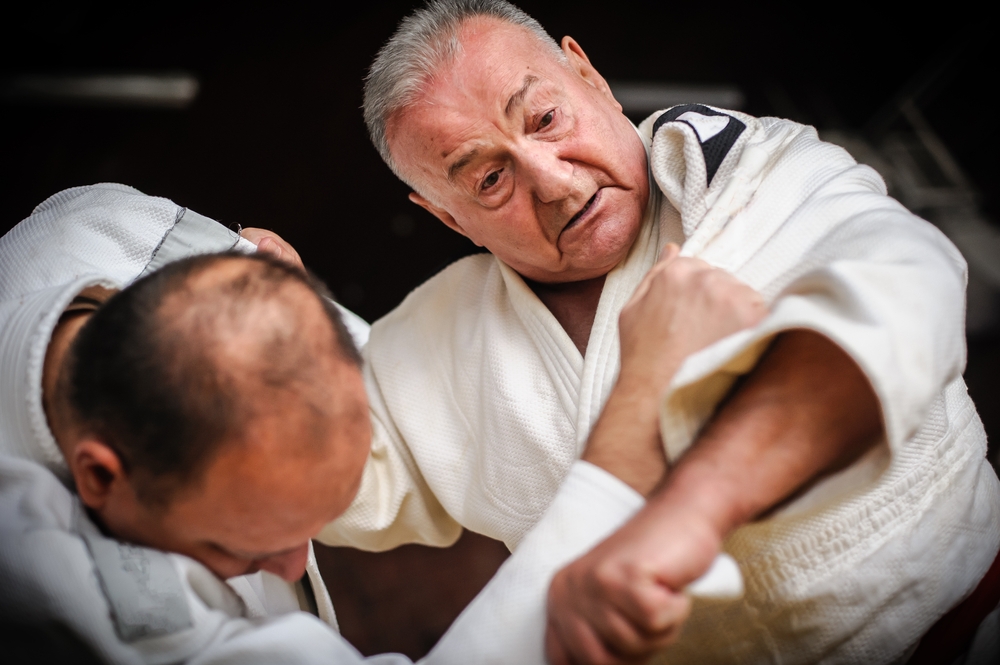
Brazilian Jiu Jitsu presents a unique environment that may be especially meaningful for some survivors of physical or sexual assault.
Because BJJ involves close physical contact, practitioners gradually become comfortable with situations that might once have felt overwhelming.
For some survivors, particularly women recovering from sexual assault, this gradual, voluntary exposure to controlled physical proximity may help reduce fear and restore a sense of agency.
Unlike an assault, every interaction on the mats occurs with consent. Training partners can stop at any time by tapping, and students decide how quickly they progress.
That distinction is critically important. Many trauma-informed therapists describe this process as helping individuals reclaim choice, autonomy, and control over their bodies.
However, it is equally important to recognize that not every survivor will find grappling appropriate. For some individuals, close physical contact may initially be overwhelming. Trauma-informed instruction, personal readiness, and guidance from qualified mental health professionals can make a significant difference.
A Supportive Community
One of the most overlooked aspects of martial arts is the community. Most quality fight gyms foster an atmosphere built on encouragement, humility, and mutual respect.
For those of us who have trained in combat sports for a while, we all remember starting as a beginner, and how intimidating it can be for some people just to walk through the front door on the first day. In BJJ, there’s an expression that the most difficult belt to get is the white belt. Taking that first step requires initiative and courage.
Everyone struggles, and everyone improves through consistent effort. Training partners help each other learn, and coaches celebrate progress. People from vastly different backgrounds come together with a shared purpose. In a fight gym, you’ll find business owners, school teachers, attorneys, tradesmen, and many others all training together, as well as people from every imaginable socioeconomic background, religious belief, and political leaning all training and growing together.
One of the things I love the most about training in combat sports is meeting and interacting with so many people from backgrounds very different from my own. It’s an opportunity to learn from them, and it makes me feel more connected with humanity. Being there for a shared purpose and a strong desire to grow binds us all together.
For individuals recovering from trauma, belonging to a positive community can reduce feelings of isolation and provide meaningful social support, which is an important factor in long-term recovery.
Exercise, Endorphins, and Stress Relief
The physical demands of martial arts also offer well-established mental health benefits.
Intense exercise stimulates the release of endorphins and other neurochemicals associated with improved mood and reduced stress. After a challenging class, many practitioners report feeling calmer, more optimistic, and mentally refreshed.
Training also provides a healthy outlet for nervous energy, frustration, and anxiety. Instead of remaining trapped in cycles of worry or rumination, students channel their focus into purposeful movement.
I’ve personally found training in BJJ and boxing to have a profoundly positive impact on my own tendencies to experience anxiety, and I’ve also seen its benefits with people I know who are neurodivergent, dealing with depression, or simply need an outlet for stress relief.
The Meditative Side of Training
Although martial arts are physically demanding, they can also become surprisingly meditative.
Thoughts about work, daily stressors, or painful memories gradually fade into the background while attention shifts toward breathing, movement, rhythm, and timing.
Many practitioners describe this as a form of moving meditation. It’s a period during which the mind becomes quieter and fully engaged in the present moment.
While this experience does not erase trauma, it can provide welcome relief from constantly reliving painful memories.
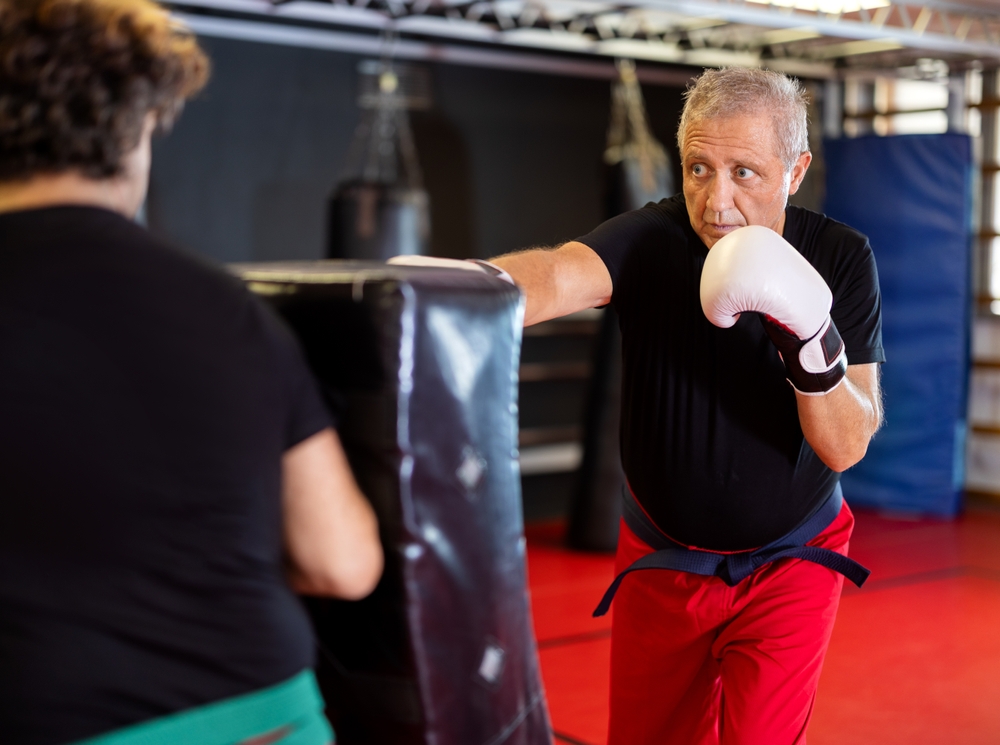
Unlike grappling arts, boxing provides a way to process stress through rhythmic movement, footwork, striking drills, and cardiovascular exercise while requiring intense concentration and emotional regulation.
Confidence Through Self-Defense
Learning how to protect oneself can be profoundly empowering. Many survivors of physical violence describe living with an ongoing sense of vulnerability.
Developing practical self-defense skills cannot eliminate every danger, but it often helps people feel more capable of responding to difficult situations. That increased confidence frequently influences posture, communication, and daily interactions.
The goal is not to encourage violence. Rather, it is to help individuals regain confidence in their own ability to navigate the world.
One of the most surprising changes I’ve experienced through martial arts isn’t becoming more aggressive. Instead, it’s becoming calmer. The confidence that comes from knowing you can defend yourself often means you feel less need to prove anything.
Rediscovering Your Authentic Self
Trauma has a way of becoming part of a person’s identity. Many survivors understandably begin defining themselves by what happened to them. Martial arts offer an opportunity to build a new identity.
Instead of seeing themselves primarily as victims, students begin seeing themselves as athletes, learners, teammates, competitors, mentors, and as people capable of growth.
Many practitioners describe martial arts as helping them reconnect with qualities that trauma had buried: courage, curiosity, discipline, resilience, and joy.
For survivors of emotional trauma, that process of rediscovering one’s authentic self can be deeply meaningful.
What Does the Research Say?
Research into trauma-informed martial arts is still evolving, but the early findings are encouraging.
Studies suggest that physical activity, social connection, mindfulness, and developing self-efficacy can all play meaningful roles in supporting recovery from trauma. Martial arts combine many of these elements into a single activity.
At the same time, it’s important to recognize that responses vary from person to person. What feels healing for one individual may not feel appropriate for another.
The best approach is often one that combines evidence-based mental health care with supportive activities that help individuals reconnect with themselves in safe and meaningful ways.
There are already many existing and well-researched methods for treating PTSD and trauma. Many patients have derived enormous benefits from strenuous exercise, various mindfulness-based interventions, and trauma-sensitive movement practices.
This post isn’t meant to suggest martial arts as a substitute for such already well-researched techniques, but rather as an adjunct to them, and as a possible alternative.
I’ve read about the use of BJJ to treat PTSD successfully within the military and law enforcement communities, and many BJJ academies are even starting classes for women only.
While research specifically examining martial arts as a treatment for trauma is still emerging, there is already substantial evidence supporting many of the mechanisms involved, including exercise, mindfulness, social connection, and self-efficacy. Martial arts uniquely combine these elements into a single activity. More research is still needed, but the experiences of many practitioners and clinicians are encouraging.
Recommended Resources
If you’d like to learn more about trauma-informed martial arts, two excellent resources are:
This thoughtful book explores how Brazilian Jiu-Jitsu can support embodied healing while emphasizing trauma-informed coaching and clinical collaboration.
Trauma-Informed Jiu-Jitsu on Psychology Today
This article discusses how Brazilian Jiu-Jitsu can be adapted to create a safer, more empowering training environment for trauma survivors and offers insight into the principles behind trauma-informed instruction.
American Psychological Association
Final Thoughts
Healing from trauma rarely follows a straight path. For some people, therapy is enough.
Martial arts are not a cure for trauma, and they may not be appropriate for everyone. But for many survivors, stepping onto the mats or into the boxing gym becomes far more than learning how to fight.
It becomes a way of reclaiming ownership of their bodies, rebuilding trust in themselves, and discovering strengths they never knew they possessed.
If you are considering martial arts as part of your recovery, look for a welcoming gym with experienced instructors, communicate your comfort level, progress at your own pace, and continue working with qualified healthcare professionals when appropriate.
Sometimes healing begins not with a dramatic breakthrough, but with something much simpler:
One class, one technique, and one small victory at a time.
Frequently Asked Questions
Can martial arts help PTSD?
Some people with PTSD report that martial arts help reduce anxiety, improve confidence, and increase body awareness. While martial arts should not replace professional treatment, they may complement therapy under appropriate guidance.
Which martial art is best for trauma recovery?
There is no single best style. Brazilian Jiu Jitsu, boxing, judo, Muay Thai, karate, and tai chi all offer different benefits depending on the individual’s goals, comfort level, and trauma history.
Is Brazilian Jiu Jitsu good for survivors of sexual assault?
For some survivors, BJJ offers a controlled environment to rebuild confidence and regain a sense of agency through consensual physical contact. Others may initially find grappling overwhelming, making trauma-informed coaching and personal readiness especially important.
Can boxing help anxiety?
Many practitioners report reduced stress after boxing because of its combination of aerobic exercise, technical focus, and physical exertion. Research also supports exercise as a valuable component of mental well-being.